Snorkelling
The best snorkelling in the world, six places ranked
No course, no tank, just a mask and the right stretch of water. Where the reef starts at the beach, where the big animals come to you, and the months that make the difference.
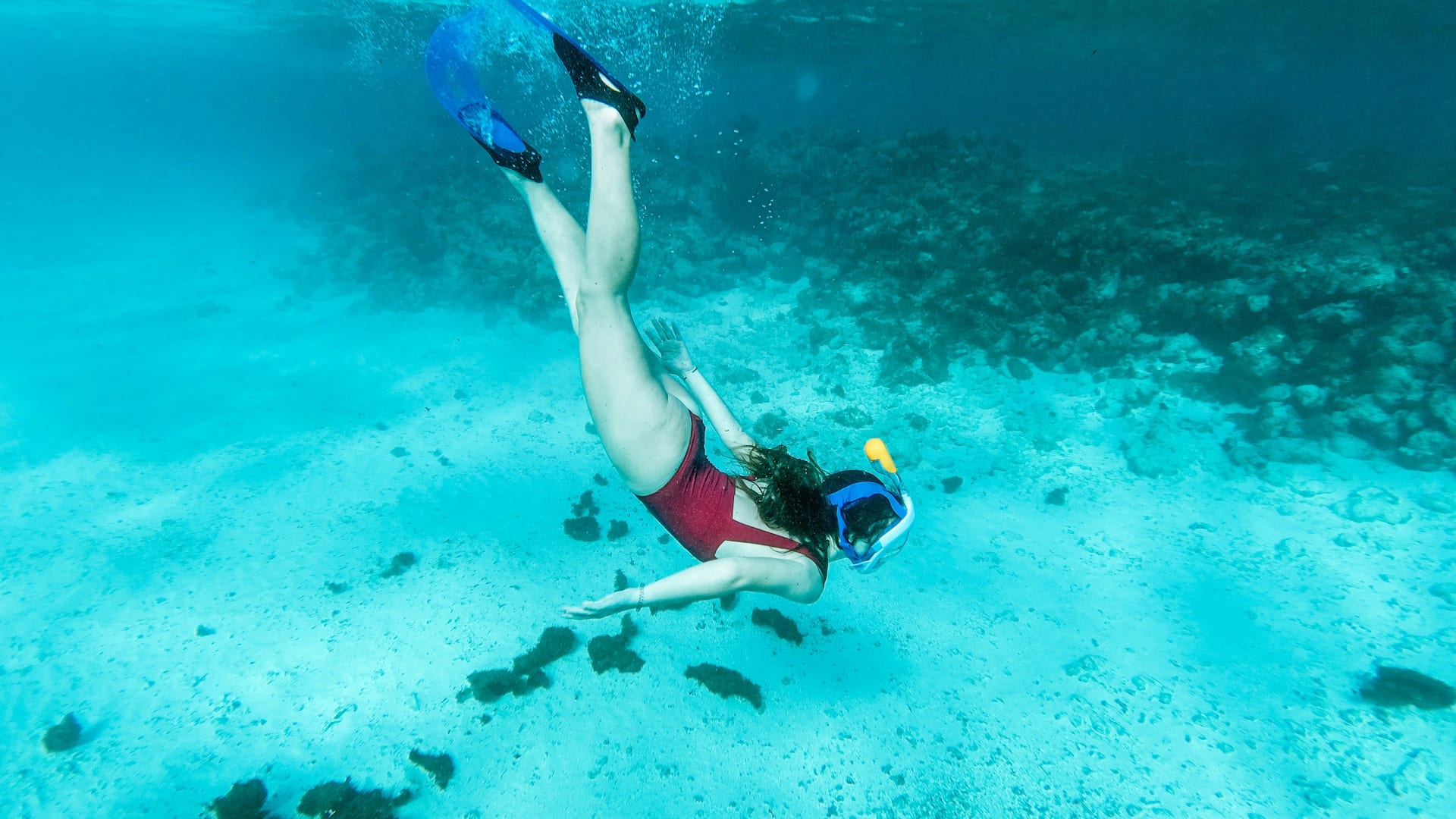
You walk out along the jetty, sit on the bottom step and lower your face into the water. Nothing could be simpler, and nothing quite prepares you for it.
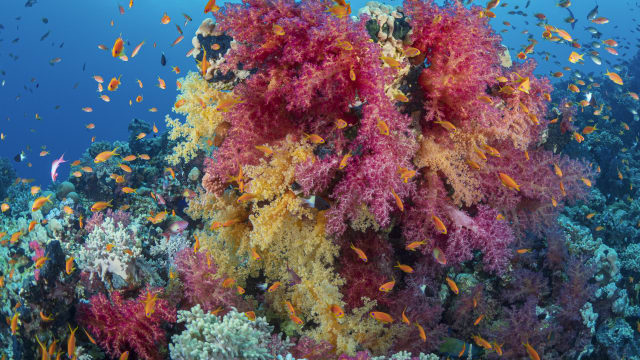
Right below you, a metre or two down, the sand gives way to coral, and the coral is full of fish going about their business as if you were not there. You have not paid for a boat, booked a course or carried any equipment heavier than a pair of fins.
That is the case for snorkelling. Some of the best experiences under water need nothing more than a mask, a snorkel and a reef close to shore, or an animal that feeds at the surface.
This page ranks six places with the best snorkelling in the world for travellers from northern Europe, from house reefs you can reach before breakfast to whale sharks in the open sea. If you want to go deeper, our ranking of the best places to scuba dive is the next step.
In short
Easiest: the Red Sea, where many hotels have a reef at the end of their own jetty.
Most beautiful water: the Maldives, with house reefs around the islands and manta rays at Hanifaru Bay in season.
Biggest reef: the Great Barrier Reef, reached by day boat from the Whitsundays or Cairns.
Lagoon life: Moorea in French Polynesia, with rays and small reef sharks in shallow water.
The biggest fish: whale sharks off Holbox and Isla Mujeres in Mexico, roughly June to September.
Fish by the million: the sardines of Moalboal in the Philippines, all year.
The ranking
1. The Red Sea, Egypt
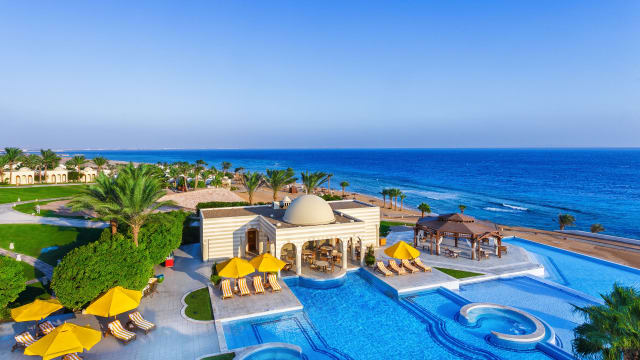
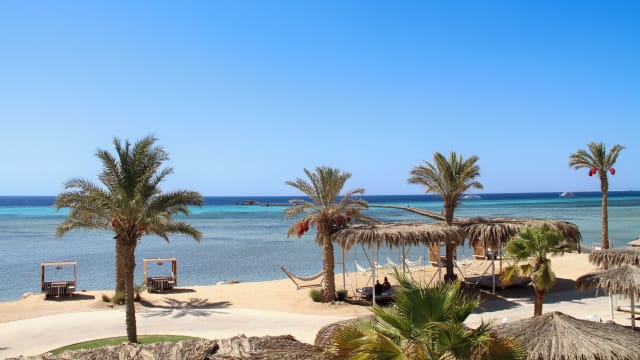
Nowhere else gives you this much reef this close to home, with this little effort. Along the coast south of Hurghada, at Soma Bay and Sahl Hasheesh, hotels have long jetties that take you out over the shallows to the reef edge, so you can snorkel several times a day without a boat.
The water is around 22 °C in winter, so a thin wetsuit or a long-sleeved top helps on long sessions. Our guide to diving the Red Sea has more on the coast.
2. The Maldives
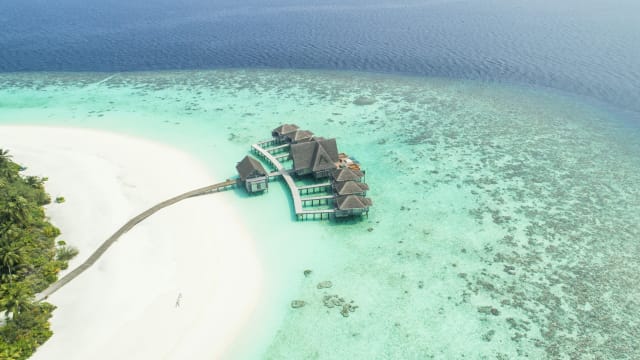
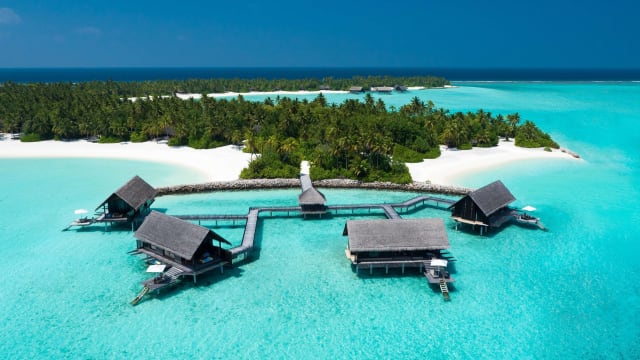
In the Maldives, many resort islands are ringed by their own reef, and on the best of them the coral starts a few strokes from the sand. Ask about the house reef before you book, because not every island has a good one.
From roughly May to November, manta rays gather to feed in Hanifaru Bay in Baa Atoll, where scuba diving is banned and snorkelling is the only way in. Our Maldives diving guide explains the seasons.
3. The Great Barrier Reef, Australia
The largest reef system on earth is mostly far offshore, so you reach it by day boat, often to a pontoon on the outer reef. From the Whitsundays or Cairns, the trip takes most of a day. The caveat is the stinger season, roughly November to May, when dangerous jellyfish can be present in tropical Queensland waters. Reef boats lend or hire full-body lycra suits, and you should wear one.
4. Moorea, French Polynesia
Moorea's lagoon is shallow, warm and clear, and on many snorkelling trips you stand in chest-deep water as stingrays glide past your legs and small blacktip reef sharks circle at a distance. From about July to November, humpback whales come to the islands to breed, and licensed operators run trips to see them. It is a very long way from Europe, so combine it with a stay of at least a week.
5. Whale sharks off Holbox and Isla Mujeres, Mexico
The largest fish in the sea feeds near the surface north of the Yucatán every summer. Boats leave from Holbox, Isla Mujeres and Cancún from roughly June to September, and the rules are strict: snorkel only, usually two swimmers in the water at a time with a guide, and no touching. It is an early start and often a choppy ride, and sightings depend on the plankton. Read our Mexico diving guide for the season.
6. Moalboal, the Philippines
On the west coast of Cebu, a vast school of sardines lives just off Panagsama Beach, close enough to swim to from the shore. When the school turns, the whole wall of fish flashes silver. Turtles are common on the same stretch. See our Philippines diving guide.
How to snorkel safely
Never alone: swim with a partner, and tell someone on shore where you are going.
Check the current: ask the hotel or a local guide where the water flows, and swim against it first, so you drift back.
Cover up: your back burns fast at the surface. A rash vest or thin wetsuit protects you from the sun and from stings.
Hands off: do not stand on coral or touch animals. Coral is alive and breaks easily.
Know your limits: a buoyancy vest makes long sessions easier for weaker swimmers.
Where to stay
Picolo does not sell snorkelling tours. The single best thing you can do is choose a hotel with a reef or lagoon you can swim to, then book boat trips locally. These are hotels we have reviewed where the water is the point.
Hotels for snorkellers
The Breakers, Soma Bay
A long jetty out to the house reef, and a relaxed crowd that spends the day in the water.
Red SeaHouse reefBanyan Tree Vabbinfaru, Maldives
A small round island ringed by coral you can snorkel straight from the beach.
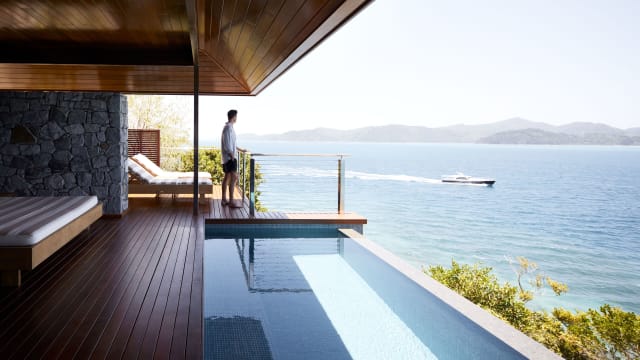
North MaléHouse reefqualia, Hamilton Island
Pavilions with plunge pools in the Whitsundays, a base for day trips to the outer reef.
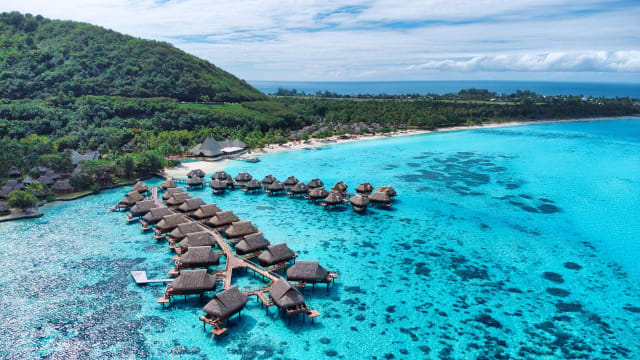
Great Barrier ReefLuxurySofitel Kia Ora Moorea
Overwater bungalows above Moorea's lagoon, so the water starts below your terrace.
MooreaLagoonCasa Las Tortugas, Isla Holbox
A family-run beach hotel on car-free Holbox, where the whale shark boats leave in summer.
MexicoWhale sharks


Our pick for snorkellers
Banyan Tree Vabbinfaru
If snorkelling is the reason for the trip, choose an island where the reef is part of the hotel. Banyan Tree Vabbinfaru is a small, almost round island in North Malé Atoll, ringed by coral you can reach straight from the beach, and you can walk around the whole island in about fifteen minutes. It is a short speedboat ride from the airport, so a late arrival does not cost you a night. Prices are high, as everywhere in the Maldives, and a small island is not for those who need variety.


Frequently asked questions
Where is the best snorkelling in the world?
The Red Sea, the Maldives, the Great Barrier Reef and the lagoons of French Polynesia are usually at the top. For travellers from Europe, the Red Sea gives the best reef for the shortest flight.
Where can you snorkel straight from the beach?
Many hotels on the Red Sea coast of Egypt have jetties out to a house reef, and many Maldives resorts have coral close to the beach. Ask the hotel about its house reef before you book.
Do you need to be a strong swimmer to snorkel?
You need to be comfortable in deep water, but not fast. A buoyancy vest helps if you tire easily, and calm lagoons or sheltered house reefs are the best places to start.
When is stinger season on the Great Barrier Reef?
Roughly November to May, when dangerous jellyfish can be present in tropical Queensland waters. Reef boats lend or hire full-body lycra suits, and you should wear one.
Can you snorkel with whale sharks?
Yes. In Mexico, off Holbox and Isla Mujeres, the season runs roughly from June to September, and in the Maldives whale sharks are seen in South Ari all year.
Sources
Hanifaru Bay and whale sharks in the Maldives: Visit Maldives. Stinger season: Whitsunday Regional Council and Queensland Government guidance. Moorea lagoon and whale season: licensed Moorea operators. Whale shark rules in Mexico: CONANP, as reported by licensed operators. Moalboal: DAN Alert Diver and Cebu operators. Red Sea water temperature: long-term averages for Hurghada. Hotel details from Picolo's hotel reviews. Last checked: 12 November 2026.