Diving holidays
The best places to scuba dive, and when to go
Six seas ranked for divers travelling from northern Europe, from a reef at the end of a hotel jetty to whale sharks you can only reach by boat. Which level each one suits, and the months to aim for.
The boat cuts its engine over a patch of darker blue. Someone checks your air, someone else pulls a mask strap tight, and on a count of three you roll backwards off the side. For a few seconds there is only noise and bubbles. Then the water clears, and the reef is below you, closer and busier than any photograph prepared you for.
Choosing the best places to scuba dive is less about famous names than about three questions: how much experience you have, when you can travel and how far you are willing to fly.
The best diving in the world is spread across a handful of seas, and each has a season when it shines and a season when the boats stay in port. This page ranks six destinations for divers travelling from northern Europe, says which level each one suits, and links to our full guide for every one.
In short
Closest to home: the Red Sea in Egypt, with reefs off the hotel jetty and diving all year.
Big animals: the Maldives, for manta rays and whale sharks in Baa Atoll and South Ari.
Most variety: Indonesia and the Philippines, from a wartime wreck you reach from the beach to remote reefs you reach only by liveaboard, a boat you sleep on for a week.
Learning to dive: Thailand, where Koh Tao is a busy training ground and the Similan Islands open from 15 October to 15 May.
The Caribbean side: Mexico, for drift dives off Cozumel and snorkelling with whale sharks in summer.
No tank needed: our guide to the best snorkelling in the world covers the places where a mask is enough.
Our ranking of the best diving in the world
1. The Red Sea, Egypt
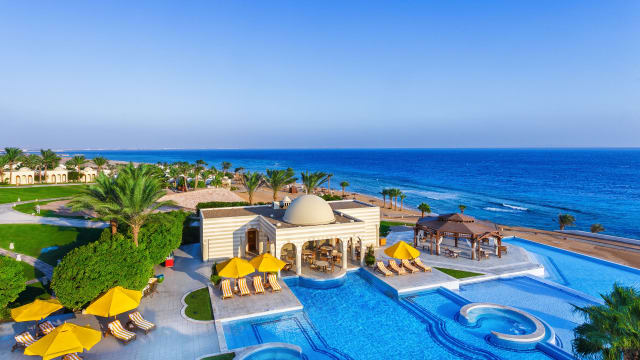
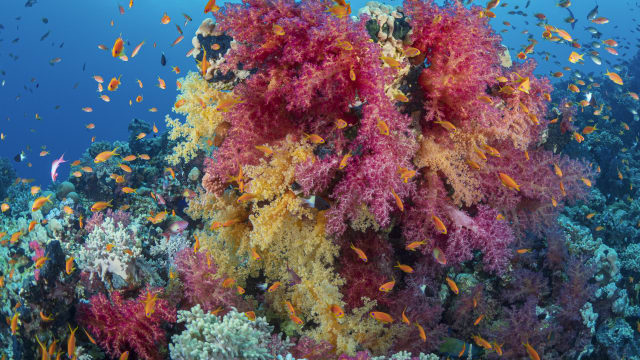
No other warm sea this good is this close to Europe. The coral starts a few metres from the shore, many hotels in Hurghada, Soma Bay and Sharm el-Sheikh have their own house reef, and you can dive in every month.
Ras Mohammed, at the southern tip of Sinai, became Egypt's first national park in 1983, and the wreck of the SS Thistlegorm, bombed in 1941, is one of the classic wreck dives anywhere. The honest caveat: the water drops to around 22 °C in winter, which feels colder after an hour than the number suggests. Read our guide to diving the Red Sea.
2. The Maldives
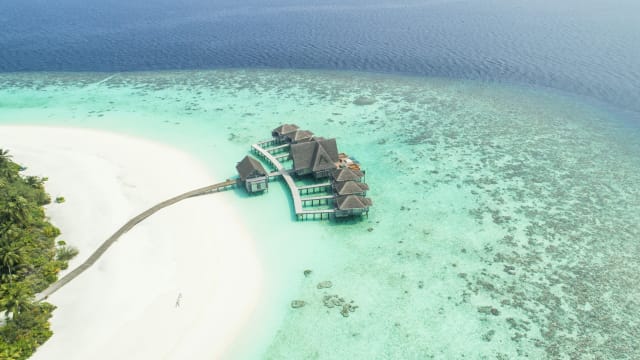
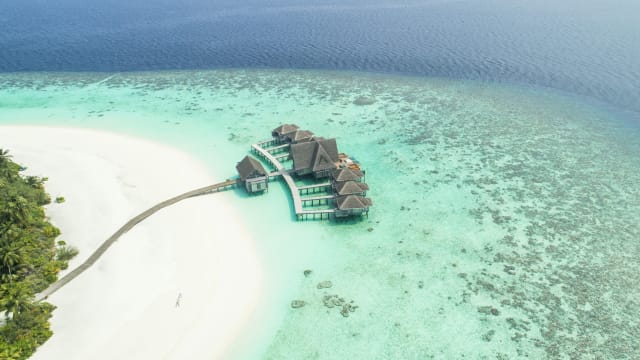
The Maldives is a scatter of coral atolls in the Indian Ocean, and it is the place for big animals. Manta rays gather in Baa Atoll from roughly May to November, and whale sharks are seen in South Ari all year, most often from August to November.
The catch is cost and logistics: every resort is its own island, and the transfer decides how far you are from the best sites. Our Maldives diving guide explains which atoll suits which month.
3. Indonesia
Indonesia has the widest range of all. In Bali you can walk into the water at Tulamben and swim out to the USAT Liberty, a cargo ship torpedoed in 1942, while Nusa Penida has manta rays all year. Further east, Komodo and Raja Ampat are among the richest reefs anywhere, but they are mostly for experienced divers on a liveaboard. Read our guide to diving in Indonesia.
4. The Philippines
The Philippines suits divers who like a theme. In Coron, Japanese supply ships sunk in an air raid on 24 September 1944 now lie in sheltered bays. At Malapascua, thresher sharks come up to a shallow bank at dawn. Tubbataha, a UNESCO-listed reef in the Sulu Sea, can only be dived from a liveaboard between roughly mid-March and mid-June. Our Philippines diving guide has the details.
5. Thailand
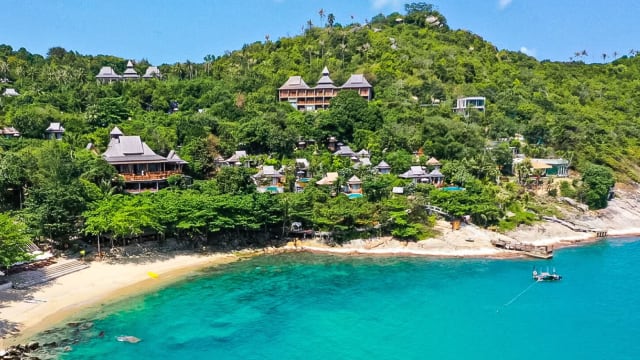
Thailand is where many Europeans take their first course. Koh Tao in the Gulf of Thailand has dive schools along almost every beach, and on the Andaman side the Similan Islands National Park opens from 15 October to 15 May. It ranks lower here only because the reefs closest to the resorts are busy. Read our guide to diving in Thailand.
6. Mexico
On the Caribbean coast, Cozumel's reefs have been a national park since 1996, and the current carries you along the walls on easy drift dives. In summer, whale sharks feed off Isla Mujeres and Holbox, but you swim with them on a snorkel, not a tank. Our Mexico diving guide also covers the Pacific side.
How we ranked them
We ranked for a diver flying from the UK or Scandinavia with one or two weeks: the quality of the reefs, how easy it is to get there, how long the season is and how much choice there is for different levels. A seasoned liveaboard diver chasing sharks would order the list differently, and that is fine. Use the ranking as a starting point and the season as the deciding factor.
Which certificate you need
To dive on your own with a buddy, you need an entry-level certificate. With PADI, the largest training agency, the Open Water Diver course qualifies you to 18 metres, and the Advanced course takes you to 30 metres.
Children can start from the age of 10 as junior divers, with lower depth limits. Before any course you fill in a medical questionnaire, and some answers mean you need a doctor's signature before you can get in the water.
If you only want to try, most dive centres offer a supervised try dive in shallow water. Many people take the theory and pool sessions at home and do the open water dives on holiday, which saves days of a short trip.
Some of the most famous sites, such as the offshore reefs of the Red Sea or the currents of Komodo, are for experienced divers only, and operators often ask for an Advanced certificate and a minimum number of logged dives.
Flying after diving: plan the last day
Nitrogen builds up in your body during a dive, and the low pressure in an aircraft cabin can make it form bubbles.
Divers Alert Network (DAN), the diving medicine organisation, recommends at least 12 hours between a single dive and a flight, and at least 18 hours after several dives in a day or several days of diving. Many divers simply keep the last full day dry. Put that day on the beach or in town, not in the water.
Check too that your travel insurance covers diving to the depth you plan. Many standard policies have limits, and divers often take separate dive insurance.
Dive centre or hotel
Picolo does not sell dive courses or dive packages. What we can help with is where to sleep. Choose a hotel close to the reefs you want, then book dives or a course with a local dive centre once you know the conditions. Look for a centre affiliated with a recognised training agency, ask how many divers go with each guide, and look at the boats and the rental equipment before you pay.
Diving guides by destination
Hotels close to the reef
The Breakers, Soma Bay
A relaxed lodge built around its own dive centre and a long jetty out to the house reef.
Red SeaDive centreSoneva Fushi, Baa Atoll
Barefoot villas in thick greenery, in the atoll where mantas gather in the wet season.
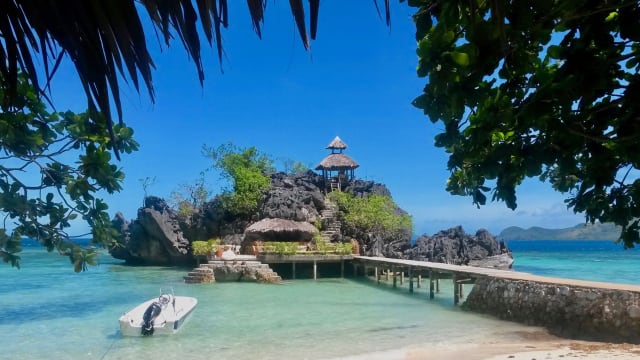
MaldivesMantasSangat Island Dive Resort, Coron
Simple cottages on a small island near the 1944 wrecks, with the dive centre at its heart.
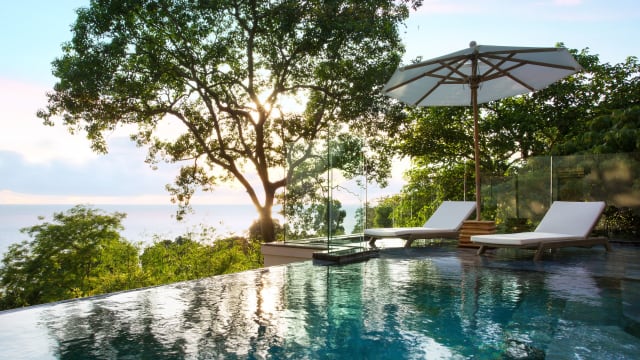
PhilippinesWrecksTrisara, Phuket
Villas on the quiet north-west coast, the side of Phuket closest to the Similan boats.
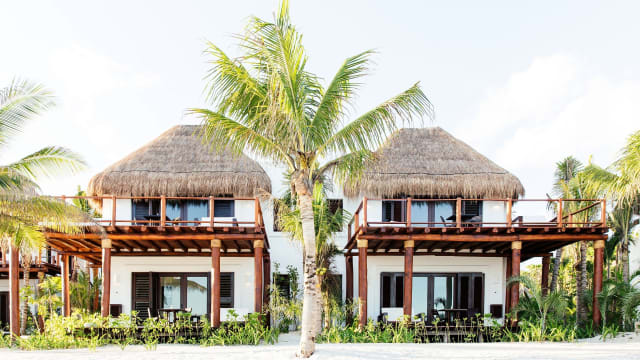
ThailandVillasHotel Esencia, Xpu-Ha
A former private estate on a calm bay, a short drive from the Cozumel ferry.
MexicoSmall hotel

Our pick for a first dive trip
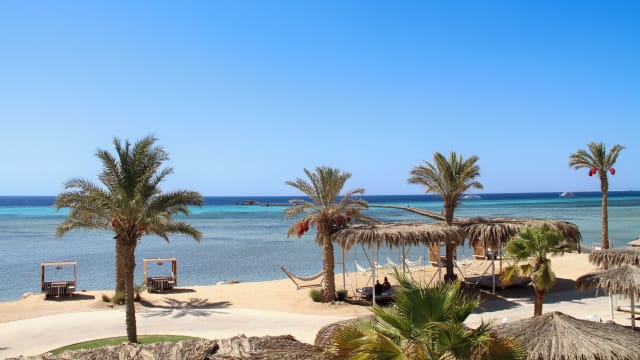
The Breakers in Soma Bay
If a friend asked where to go for a first proper dive holiday, we would say Soma Bay on the Red Sea and The Breakers. The lodge sits next to its own dive centre, a long jetty takes you out to the house reef, and beginners can do a full course without leaving the bay. It is simple rather than luxurious, there is no kids' club, and the crowd is there to dive or kite. For a week of two dives a day, that is the point.


Frequently asked questions
Where is the best place to scuba dive in the world?
There is no single answer, but the Red Sea, the Maldives, Indonesia and the Philippines are on almost every diver's list. For divers from Europe, the Red Sea gives the best reefs for the shortest flight.
Where is the best place to learn to dive?
Calm, warm water and plenty of schools matter most. Koh Tao in Thailand and the house reefs of the Red Sea are two of the most popular places to take an Open Water course.
How long should you wait to fly after scuba diving?
Divers Alert Network recommends at least 12 hours after a single dive and at least 18 hours after repeated dives or several days of diving. Many divers leave the whole last day free.
Do you need a certificate to scuba dive on holiday?
Not for a supervised try dive in shallow water. To dive with a buddy you need a certificate such as PADI Open Water, which covers dives to 18 metres.
What is the best month for a diving holiday?
It depends on the sea. The Red Sea works all year, the Maldives and Thailand's Andaman coast are calmest from about December to April, and the Philippines' Tubbataha opens only from mid-March to mid-June.
Sources
Flying after diving: Divers Alert Network, Guidelines for Flying After Diving and the DAN Fast Facts guide. Certification levels: PADI course information. Ras Mohammed: Egyptian Environmental Affairs Agency. Manta rays and whale sharks: Visit Maldives. Similan Islands season: Thailand's Department of National Parks. Tubbataha: DAN Alert Diver and the Tubbataha park information. Cozumel reef park: the park's 1996 designation. Hotel details from Picolo's hotel reviews. Seasons shift from year to year, so check with a local dive centre before you book. Last checked: 12 November 2026.