Diving
Diving in Indonesia, from Bali to Komodo and Raja Ampat
A wartime wreck you reach from a pebble beach, manta rays off a limestone island, and some of the richest reefs on earth at the far end of the country. Where to start, and what each place asks of you.
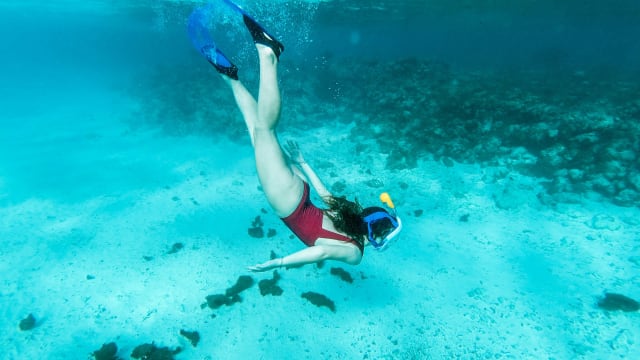
On the black pebble beach at Tulamben, porters carry tanks down to the water's edge on their heads. You wade in, put your face in the water and swim out over dark volcanic sand. Within a few minutes a shape rises from the slope ahead: the hull of a ship, furred with coral and circled by fish. You have not been on a boat all morning.
That range is what makes diving in Indonesia special. The country is a chain of more than 17,000 islands between the Indian and Pacific oceans, and it sits in the middle of the Coral Triangle, the region with the greatest variety of reef life in the world.
You can learn to dive off Bali and, years later, come back for the currents of Komodo or the remote reefs of Raja Ampat. This guide starts close to the airport and works east. For the wider picture, see our ranking of the best places to scuba dive.
In short
Easiest start: Bali, with shore dives at Tulamben and day boats to Nusa Penida.
Manta rays: Nusa Penida, where mantas are seen all year at Manta Point.
Strong currents and big fish: Komodo National Park, mostly for experienced divers.
The richest reefs: Raja Ampat in West Papua, usually by liveaboard and best from about October to April.
Honest caveat: the further east you go, the longer the journey and the more experience you need.
Bali
Tulamben and the USAT Liberty
The USAT Liberty was an American cargo ship torpedoed by a Japanese submarine in January 1942 and beached on Bali's north-east coast. It now lies just off the beach at Tulamben, from about 5 metres at its shallowest to around 30 metres at its deepest.
Because you enter from the shore, it suits newly certified divers as well as photographers who come back for night dives. The catch is the drive: Tulamben is a long way from the hotels in the south, so many divers spend a night or two nearby.
Nusa Penida
Nusa Penida, off Bali's south-east coast, is where most divers in Bali go for big animals. At Manta Point, reef mantas visit cleaning stations all year. From roughly July to October, cold water rises from the deep at sites such as Crystal Bay, and with it comes the mola mola, or ocean sunfish, a strange, flat fish that can be taller than a diver.
The cold water and the currents make these dives harder, and sightings are never certain. Read our guide to Nusa Penida and the Gili Islands for the islands above water.
Komodo National Park
Komodo, between the islands of Sumbawa and Flores, is famous on land for its dragons and under water for its currents. Tides force water between the Indian and Pacific oceans through narrow straits, and the result is dense fish life, sharks and mantas.
Most dive operators say the northern and central parts are at their best from about April to November. Many sites are rated for experienced divers only, and some operators will not take newly certified divers to them. Most visitors fly to Labuan Bajo on Flores and dive by day boat or liveaboard.
Raja Ampat
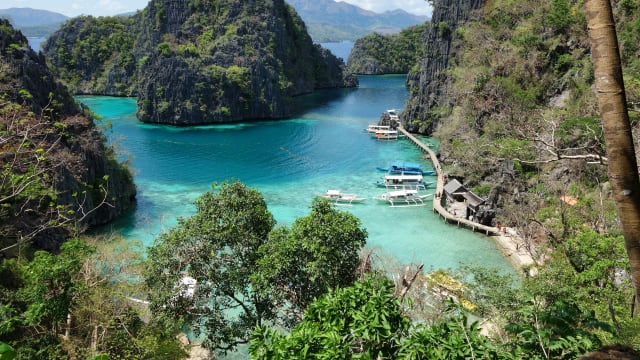
Raja Ampat, off the western tip of New Guinea, is the reef many divers save for last. The variety of coral and fish is among the highest recorded anywhere, and the islands themselves are a maze of jungle-covered limestone.
Most divers visit on a liveaboard, and the calmer seas from about October to April are the usual season. Foreign visitors pay a marine park fee, so budget for it and carry the permit card on the water. It is a long journey from Europe, with several flights, so give it at least two weeks.
Which trip for which diver
First dives or a course: Bali, from a hotel in the south with day trips, or a few nights near Tulamben.
Newly certified: the Liberty wreck, then guided dives around Nusa Penida with an experienced centre.
Advanced with current experience: Komodo by day boat or liveaboard.
Experienced and patient: a liveaboard in Raja Ampat.
Between dives and your flight home, keep at least a day dry. Our diving hub explains the guidance from Divers Alert Network.
Where to stay
Picolo does not sell dive courses or liveaboard trips. For Bali, we suggest a comfortable hotel in the south for the first and last nights, with dives booked through a local centre, and a smaller place near Tulamben if the wreck is the goal. Our guide to Bali and our Bali hotel reviews cover the rest.
Bali hotels for a dive trip
The St. Regis Bali Resort, Nusa Dua
A beach resort on the calm east side of the Bukit peninsula, with room for a non-diver to relax.
Nusa DuaBeachAlila Villas Uluwatu
Clifftop villas on the south coast, for the days either side of a dive trip.
UluwatuVillas
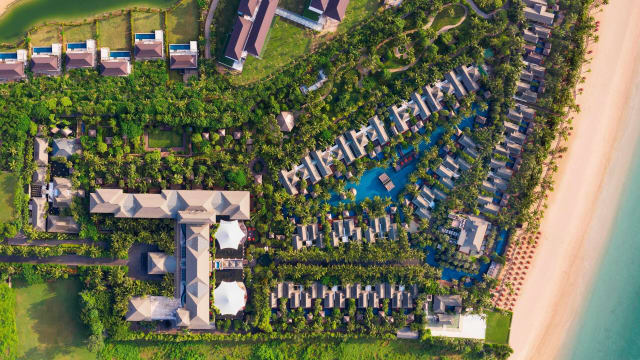

Our pick for a Bali dive trip
The St. Regis Bali in Nusa Dua
For a first Indonesian dive trip, we would base ourselves in Nusa Dua at The St. Regis and book dives with a local centre. The resort sits on the sheltered east side of the Bukit peninsula, on the same coast as the harbour in Sanur where many boats to Nusa Penida leave, and it gives a non-diving partner a beach and a spa while you are out on the boat. It is a resort, not a dive lodge, so expect early starts for the boats and plan a night or two near Tulamben separately if the wreck is on your list.


Frequently asked questions
Is Indonesia good for diving?
Yes. Indonesia lies in the Coral Triangle, the region with the most reef species in the world, and has everything from easy shore dives in Bali to demanding current dives in Komodo.
Where is the best diving in Bali?
Tulamben for the USAT Liberty wreck, which you reach from the beach, and Nusa Penida for manta rays all year and mola mola from roughly July to October.
Is Komodo suitable for beginner divers?
Mostly not. Many Komodo sites have strong currents, and operators often require experience. Beginners are better off starting in Bali.
When is the best time to dive Raja Ampat?
Most divers go between about October and April, when the seas are calmer. Diving is possible outside that window, but crossings can be rougher.
When can you see mola mola in Bali?
The usual season around Nusa Penida is roughly July to October, when cold water rises from the deep. Sightings are not guaranteed, and the water can feel cold.
Sources
USAT Liberty: Pacific Wrecks and wreck histories. Nusa Penida mantas and mola mola: Bali dive operators. Komodo seasons and currents: Komodo dive operators. Raja Ampat season and marine park fee: Raja Ampat dive operators and the marine park permit information. Coral Triangle: published reef biodiversity research. Hotel details from Picolo's Bali hotel reviews. Fees and park rules change, so check with your operator before you travel. Last checked: 12 November 2026.