Yoga retreats
Yoga retreat holidays and how to choose the right one
A class before breakfast, the same teacher all week, an afternoon with nothing in it. What a yoga retreat really involves, how to tell a good week from a hotel with a mat, and where in Europe and Bali to go.
Seven o'clock, and the mats are already laid out in rows on a wooden deck. Somebody is still finding their socks. By the time the sun clears the trees, the room has gone quiet apart from the teacher's voice and the birds. That first hour is what people book a yoga retreat for. The rest of the week decides whether it was worth it.
This guide explains what a retreat is, how to choose one that suits your level, and where to go. One thing up front: Picolo does not sell retreats.
We point you to hotels that run their own yoga classes or programmes, checked on each hotel's own website, and you book the room and the classes directly. If you mainly want a spa with a yoga class on the side, our guide to yoga and spa holidays is the better read.
In short: choosing a yoga retreat
What it is: a few days to a week built around daily yoga, usually twice a day, with the same teacher or team and time to rest in between.
Who runs it: either a hotel with its own programme, or a teacher who rents a venue and sells places. The first is easier to judge, the second depends almost entirely on the teacher.
Check the teacher: ask about training and teaching experience. A Yoga Alliance RYT 200 means at least 200 hours of training, not years at the front of a room.
Where in Europe: Portugal and Spain work in spring and autumn, when the days are warm and the light is long. Bali is the long-haul classic, best in the drier months from about April to October.
Length: three nights to see if you like it, five to seven if you want the practice to change.
What a yoga retreat actually is
The word covers almost anything. At one end is a hotel that puts on a free morning class for guests. At the other is a fixed programme: arrive on a set day, two sessions a day, meals planned around them, perhaps a workshop on breathing or meditation, and a group that stays together all week.
Neither is better. The hotel class gives you freedom, and nobody minds if you skip a morning for the beach. The full programme gives you rhythm, and that is where most people notice a difference by day four. Decide which you want before you start comparing prices, because the two are priced and sold in completely different ways.
The timetable
A typical retreat day has a longer, more active session in the morning and a slower one in the late afternoon, often yin or restorative yoga, where poses are held for several minutes. Ask for the actual schedule. If the afternoon is optional and the morning class is 45 minutes, you are on a hotel holiday with yoga, which is fine, as long as you know.
The teachers
The teacher matters more than the view. The most common credential is registration with Yoga Alliance, a US-based register. An RYT 200 has completed a 200-hour teacher training with a registered school. An E-RYT 200 has also logged at least 1,000 hours of teaching over two years or more.
Ask how long the teacher has taught and whether they will be there all week. Visiting teachers are often excellent, but a programme built around one name falls apart if that person cancels.
Levels
Good retreats say who they are for. Beginners need a teacher who explains, adapts and does not mind a slow start. Experienced students want a style they know and enough hours to go deeper. A mixed group works when there are two teachers or two levels of class. If the description says suitable for all levels and nothing more, ask what that means in practice.
Yoga retreats by country
Yoga retreat in Portugal
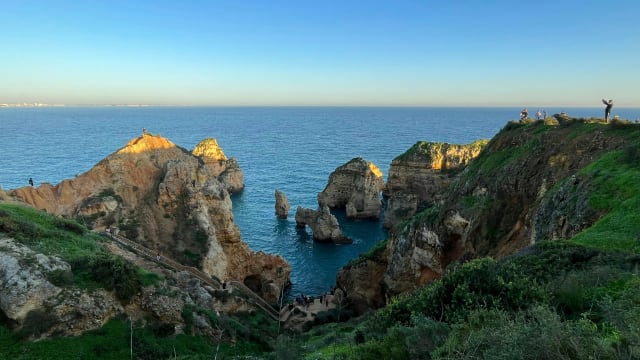
Atlantic light, the Algarve cliffs and Comporta's rice fields, with hotels that run their own yoga weeks.
Yoga retreat in Spain
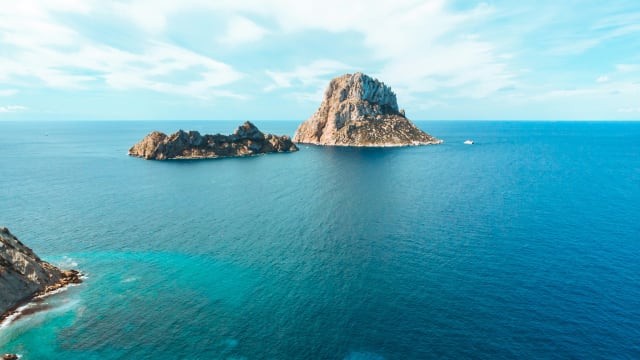
Mallorca's mountains, quiet Ibiza and the Costa del Sol, from a country estate to a resort with beach classes.
Yoga retreat in Bali
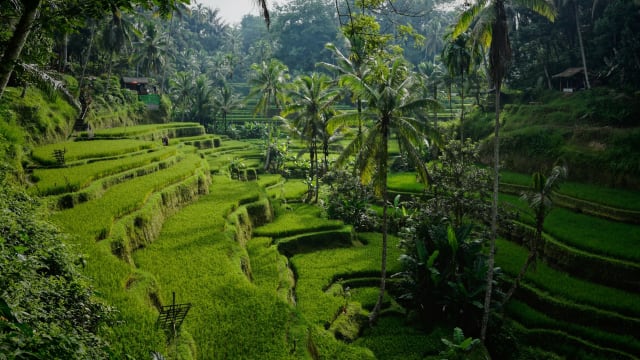
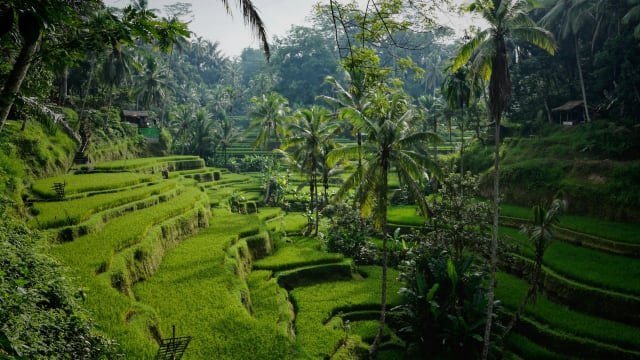
Ubud's river valleys and the cliffs of the south, where daily yoga is part of the hotel day.

Yoga retreats in Europe or further away
For readers in the UK and Scandinavia, Europe has the obvious advantage: a short flight, no jet lag and the option of a long weekend. Southern Portugal and the Balearic Islands are mild in spring and autumn, which is when a retreat makes most sense.
In high summer the afternoons are too hot for a long session outdoors, and in winter the islands get quieter, so check that the hotel and its classes are running on your dates. For a winter retreat in Europe, the Canary Islands are the mildest option.
Bali is a different kind of trip. Yoga is part of daily life in Ubud, and hotels there build their day around it, with pavilions over the river and classes at sunrise and sunset. The flight is long and the first two days go on adjusting, so plan at least ten days. The rainy season usually runs from about November to March, with heavy showers rather than whole grey days.
How to choose a retreat
Start with the hours: count the hours of yoga in the week. Ten to fifteen is a real programme. Three is a hotel class.
Ask who teaches: a named teacher with training you can check is a good sign. Teachers who will be there all week are better.
Read what is included: classes, meals, transfers, treatments and workshops are bundled very differently. Compare like with like.
Check the space: a covered shala, the open-sided yoga room many retreats use, matters in rain and midday sun. A lawn is lovely until it is not.
Think about the group: a fixed programme means the same faces all week. If you would rather be left alone, choose a hotel with daily drop-in classes.
Be honest about your level: a vigorous ashtanga week is hard work for a beginner, and a gentle hatha week can bore a regular.
Book the hotel, then the yoga
A hotel with its own programme keeps things simple: one booking, one place, and classes you can join or skip. The hotels below all list yoga on their own websites, from a free morning class to multi-day programmes. Timetables change with the season, so check the current schedule with the hotel before you travel.
Hotels that run their own yoga
Pine Cliffs, Algarve
A clifftop resort near Albufeira with a three-day yoga break for beginners and longer five- and seven-day programmes.
AlbufeiraYoga programmesOKU Ibiza
A low-key hotel on Ibiza's west coast with daily group yoga in different styles, and one-to-one sessions on request.
IbizaDaily classesIkos Andalusia, Estepona
A beach resort on the Costa del Sol where beginners' yoga classes and yoga by the sea are included in the stay.
EsteponaBeginnersCOMO Uma Ubud, Bali
Daily classes in an open-air yoga pavilion, free for guests, with private sessions as well.
UbudYoga pavilionMandapa, Ubud
Free yoga at sunrise and sunset in a pavilion over the Ayung River, for hotel guests only.
UbudSunrise yoga

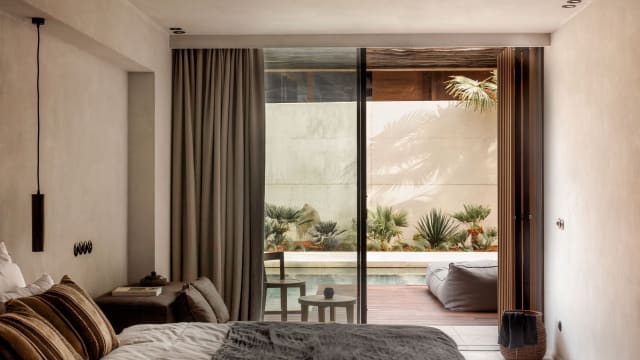


Our pick for a first yoga retreat
Son Brull in Mallorca
Son Brull is a country estate in the valley outside Pollença, in the north of Mallorca. Every morning at nine, guests can join a free one-hour group session of gentle hatha-based yoga with breathing and stretching. It is not a full retreat, and that is the point: you get a daily practice, the Tramuntana mountains on the doorstep and no pressure to sign up for a week. It is where we would send someone trying yoga on holiday for the first time.


The honest part
A yoga retreat will not fix a hard year in a week. What it can do is give you a routine for a few days and a sense of what you want to keep doing at home. Be wary of programmes that promise detox, cures or transformation. Good teachers rarely make those claims.
If you have an injury, back trouble or are pregnant, tell the teacher before the first class, and choose a retreat with smaller groups. And if you want both the sea and the mat, read our guide to surf and yoga retreats.
Frequently asked questions
What is a yoga retreat?
A yoga retreat is a stay of a few days to a week built around daily yoga, usually one session in the morning and one in the afternoon, with time to rest in between. Some are run by hotels, others by teachers who hire a venue.
Do I need to be good at yoga to go on a retreat?
No. Many retreats and hotel classes are aimed at beginners. Check the level before you book, as some weeks follow a demanding style such as ashtanga.
How long should a yoga retreat be?
Three nights is enough to find out if you like the format. Five to seven nights gives the practice time to settle into a routine.
Where are the best yoga retreats in Europe?
Portugal and Spain are the easiest from the UK, with mild weather in spring and autumn. Mallorca, Ibiza, the Algarve and the coast south of Lisbon all have hotels that run their own yoga programmes.
What does RYT 200 mean?
RYT 200 is a Yoga Alliance registration for a teacher who has completed a 200-hour training at a registered school. E-RYT 200 adds at least 1,000 hours of teaching over two years or more.
Sources
Teacher credentials: Yoga Alliance, Standards for RYT Credentials. Seasons: Indonesia.travel and GOV.UK travel advice for Indonesia; AEMET climate normals for Ibiza and Gran Canaria. Hotel yoga programmes are taken from the hotels' own websites: Pine Cliffs, OKU Ibiza, Ikos Resorts, COMO Hotels, Mandapa and Son Brull. Timetables change by season, so check with the hotel before you book. Last checked: 12 November 2026.