December-April
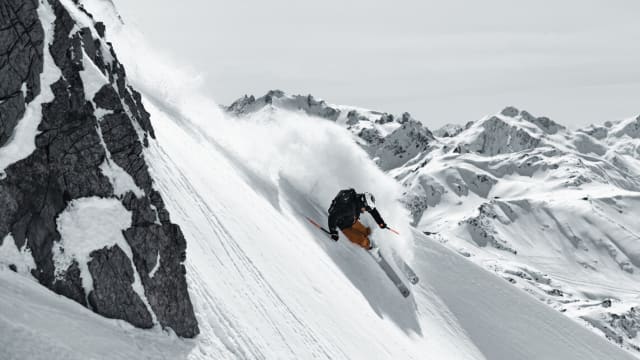
Ski season, best snow late January-March
June-September
Hiking, lakes, lifts and huts open
Vienna-Salzburg
About two and a half hours by train
German
English widely spoken in resorts
Why Austria holidays never get old
Austria holidays tend to start with a view. A cable car lifts you out of a valley village, the forest falls away beneath you and suddenly there are peaks in every direction. The country is small and landlocked, but most of it is mountainous, which is why skiers, hikers and cyclists keep coming back year after year.
Yet Austria is more than ski lifts. You get imperial history in Vienna, Mozart's Salzburg, a lively student scene in Innsbruck and alpine villages where the gondola starts a few steps from your hotel. In this guide we gather Picolo's favourite places, from the big-name resorts to quieter valleys.
Planning a longer trip across the continent? Browse more ideas in our Europe travel guides.
Places
Where to go in Austria
Vienna
Imperial palaces, Klimt in gold, Sachertorte in velvet-lined coffee houses and wine taverns among the vineyards on the edge of town.
Innsbruck
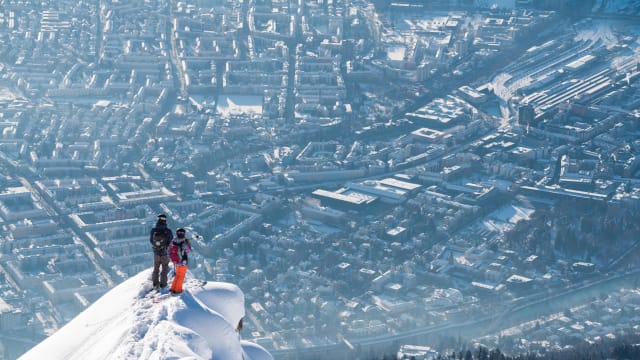
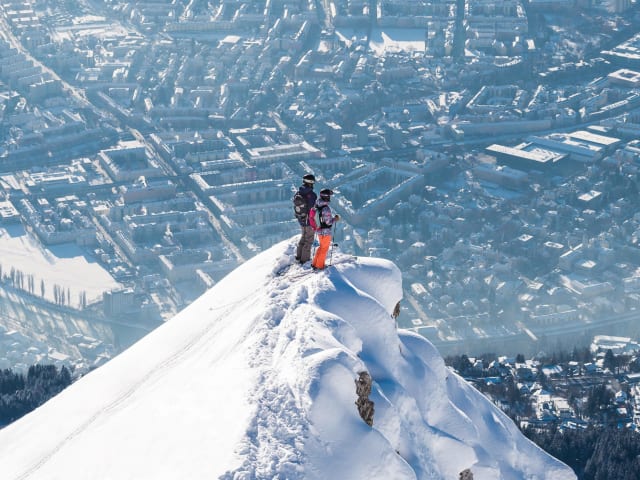
Tyrol's capital is a university city, an Olympic host and a ski resort in one, with mountains rising straight from the end of the street.
Sankt Gallenkirch
A small, peaceful village in Vorarlberg where the gondola leaves from the village and takes you high into the Silvretta Montafon ski and hiking area.
Bad Gastein
Five ski areas, some of the longest groomed runs in Austria and thermal water from deep inside the mountains.
St Anton
Steep, snowy and endlessly linked, St Anton is where advanced skiers come to test themselves, and where families and beginners find plenty of room too.


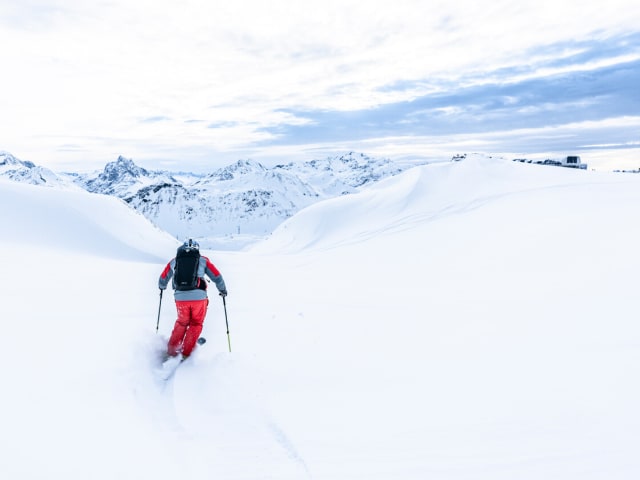
Best places to visit in Austria
In short: for cities, combine Vienna and Salzburg, which are about two and a half hours apart by train. For mountains, choose Tyrol, with Innsbruck, St Anton or Kitzbühel. For lakes and scenery, add Hallstatt and the Salzkammergut.
1. Vienna: palaces and coffee houses
Schönbrunn and the Hofburg, classical music and long afternoons in coffee houses. Read our Vienna guide and about the Christmas markets in Vienna.
2. Salzburg: Mozart and a fortress
A baroque old town on the UNESCO list below the Hohensalzburg fortress. In summer the Salzburg Festival fills the town, and hotels need to be booked early.
3. Hallstatt and the Salzkammergut: lakes and mountains
A village squeezed between a lake and a mountainside, and one of the most photographed places in Austria. Stay overnight or arrive early to avoid the day crowds. Read about Hallstatt.
4. Innsbruck: a city in the Alps
An old town with the Golden Roof and a cable car straight from the centre to the Nordkette range. Read our Innsbruck guide.
5. St Anton am Arlberg: serious skiing
Part of Ski Arlberg, one of the largest linked ski areas in the world, with steep runs and famous après-ski. Read about St Anton.
6. Kitzbühel: a medieval town with a ski circuit
A pretty old town at the foot of the Hahnenkamm, home to the famous downhill race. Read about skiing in Kitzbühel.
7. Bad Gastein: thermal spas and grand hotels
Belle époque hotels on a steep valley side, waterfalls in the middle of town and thermal baths after skiing. Read about Bad Gastein.
8. Montafon: family mountains in Vorarlberg
A valley of small villages with gondolas from the doorstep, good for families in both summer and winter. Read about Sankt Gallenkirch.
9. The Wachau: vineyards on the Danube
A UNESCO-listed stretch of the Danube with terraced vineyards, apricot orchards and the abbey at Melk, an easy trip from Vienna by train and bike.
10. The Grossglockner High Alpine Road: a drive to the glacier
A mountain road to the foot of Austria's highest peak, open in the warmer months only, usually from May to the autumn. Go early on clear days.
For skiing, see our pick of the best ski resorts in Austria.

Austria ski holidays: four resorts to know
Winter is when Austria really comes into its own. Lifts are modern, resorts are well organised and the après-ski culture is legendary. These are the destinations Picolo has explored so far.
St Anton am Arlberg
St Anton in Tyrol is the resort serious skiers talk about. It is part of Ski Arlberg, one of the largest linked ski areas in the world, with steep pistes, deep powder and huge off-piste terrain. Read St Anton: an epic powder adventure for six reasons to go.
Bad Gastein
In Salzburgerland, Bad Gastein pairs grand old hotels with five ski areas in one valley. After the slopes, thermal spas are waiting. Find out why it has become one of the most popular ski resorts in the Alps.
Innsbruck
Innsbruck is the rare alpine city where you can swap a café in the old town for the top of the Nordkette range in under half an hour. Our story from vibrant city life to the top of the Alps shows how nine ski areas share one lift pass.
Sankt Gallenkirch
In the Montafon valley in Vorarlberg, Sankt Gallenkirch is a small village with the gondola right on its doorstep and the Silvretta Montafon ski area above it.

Things to do in Austria beyond the slopes
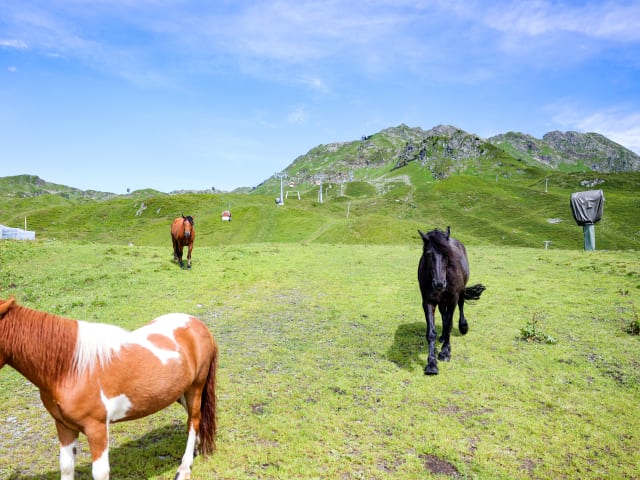
Austria in summer feels like a different country: green, quiet and criss-crossed with trails. Lifts keep running in many valleys, so you can ride up with your hiking boots or mountain bike and spend the day above the tree line. Mountain huts serve lunch with a view, and alpine lakes are cold enough to wake you up properly.
Follow one family's day in the Montafon Alps, from the hotel door to 2,000 metres in fifteen minutes. In the same village, a hotel bar has made a name for itself with good cocktails and non-alcoholic gin, ideal if you want a fresh start the next morning.
The cities deserve time too. Vienna is the place for palaces, coffee houses and classical music, while Salzburg's baroque old town sits beneath its hilltop fortress. In Innsbruck, the Golden Roof is the best known landmark in a compact and walkable old town.

Food, drink and alpine hospitality
Austrian food is hearty and made for mountain appetites. Expect schnitzel, goulash, roast pork and dumplings, followed by apple strudel or a slice of Sachertorte with your coffee. In Tyrol, look out for cured bacon and cheesy dishes that keep you going through a long day outdoors.
In the evenings, après-ski can mean anything from a spritzer in the sun to a full-blown party in ski boots. If that is not your scene, many resorts have excellent spas, and the hot springs of Bad Gastein have drawn visitors for centuries.
Getting to Austria
Austria is easy to reach from the UK. Innsbruck and Salzburg are the main gateway airports for the Alps, while Munich and Zurich work well for resorts close to the German and Swiss borders. Vienna is the natural choice for the east of the country.
Once you arrive, trains are a comfortable way to travel between cities, and transfers and buses link the airports with the bigger resorts. A rental car gives you the most freedom in smaller valleys. Entry rules can change, so check the latest requirements before you travel.
Planning a city break in the capital? Read our guide to things to do in Vienna, with the best neighbourhoods, a three-day plan and where to stay.

When is the best time to go to Austria?
It depends on what you want from your Austria holiday. The ski season usually runs from December to April, with the most reliable snow from late January to March. Christmas, New Year and the February half term are the busiest weeks, so book early if your dates are fixed.
For hiking, cycling and swimming in lakes, aim for June to September, when most lifts and mountain huts are open. Late spring and autumn are quieter and good for city breaks, and December brings Christmas markets to Innsbruck, Salzburg and Vienna.
Where to stay in Austria


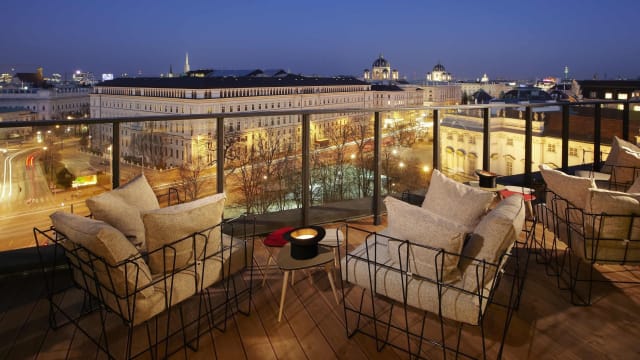
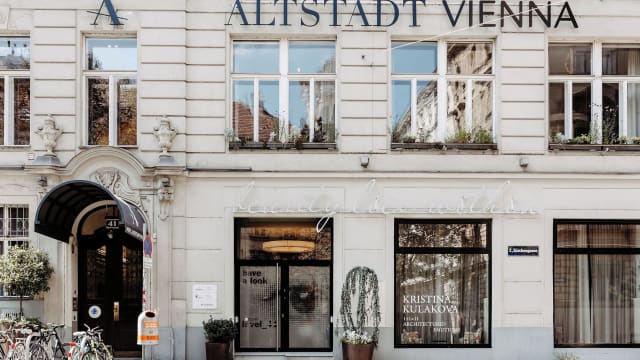

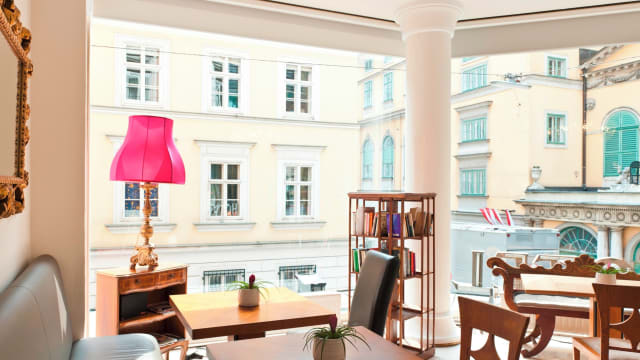
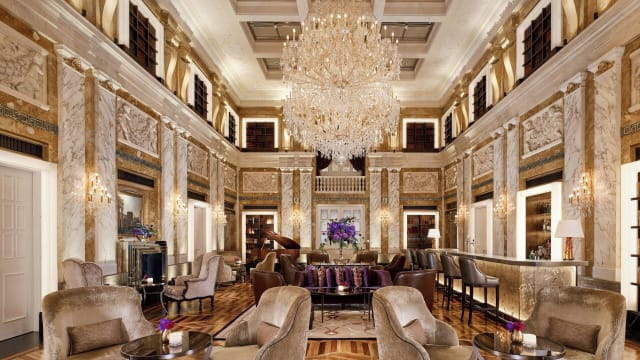
Our pick
Hotel Sacher Wien: red velvet
Red velvet, oil paintings and the original Sachertorte, in a grand hotel that sits directly behind the Vienna State Opera.


Austria holidays: frequently asked questions
What is Austria famous for?
Austria is famous for the Alps, world-class ski resorts and its musical and imperial heritage. Mozart was born in Salzburg, Vienna was the seat of the Habsburgs, and the country is known for coffee houses, schnitzel and strudel. In winter, resorts like St Anton and Bad Gastein draw skiers from all over the world, while summer is all about hiking and lakes.
What language do they speak in Austria?
German is the official language of Austria, spoken with regional accents and dialects that differ noticeably between Vienna, Tyrol and Vorarlberg. In ski resorts, hotels and tourist areas most people speak good English, so getting by is easy. Learning the common greeting 'Grüß Gott' is always appreciated by locals.
Is Austria expensive?
Austria is roughly on a par with other Western European countries, and the famous ski resorts are among its pricier places in peak season. You can keep costs down by travelling outside school holidays, choosing self-catering accommodation and eating your main meal at lunchtime in a mountain hut. Staying in a city like Innsbruck and travelling to the slopes is another option.
When is the best time for a ski holiday in Austria?
The best time for a ski holiday in Austria is usually late January to March, when snow cover is reliable and the days grow longer. December can be magical, but early-season snow varies from year to year. Easter often brings sunshine and spring snow, especially at high resorts such as St Anton, and outside school holidays the slopes are quieter.
What is the most beautiful place in Austria?
Hallstatt is the most famous, but the lakes of the Salzkammergut and the valleys of Tyrol are just as beautiful with fewer people.