
Travel guide · Asia
Japan holidays
Neon-lit cities, centuries-old temples, superb food and the best powder snow in the world. Japan rewards every kind of traveller.
Why Japan should be your next holiday
Japan feels like nowhere else. In a single trip you can wander Tokyo's busy neighbourhoods, sleep in a traditional ryokan, soak in an onsen hot spring and eat some of the freshest sushi of your life. The country is famously safe, clean and efficient, which makes it surprisingly easy for first-time visitors.
The Shinkansen bullet train links the main cities, so you can be in Kyoto just over two hours after leaving Tokyo. Many travellers combine the two with Osaka, Nara or Hiroshima on a first visit.
Best places to visit in Japan
In short: for a first trip, spend four or five days in Tokyo and three in Kyoto, with day trips to Nara and Osaka. On a second trip, add Hiroshima and Miyajima, Kanazawa and the Japanese Alps, or Hokkaido in winter for skiing.
The bullet train makes it easy to move between cities, so most itineraries follow the main line from Tokyo to Kyoto and on to Hiroshima. Here is how we choose. For a day-by-day plan, see our Japan itinerary.
1. Tokyo: a city of neighbourhoods
Treat Tokyo as many small towns: Asakusa for old temples, Shibuya and Shinjuku for neon, Daikanyama for quiet streets and cafés. Five days is not too many. Read our Tokyo guide.
2. Kyoto: temples, gardens and geisha streets
The old imperial capital has well over a thousand temples and shrines. The famous ones are packed by mid-morning, so start at sunrise or visit the smaller temples in the north of the city. Read about things to do in Kyoto.
3. Osaka: the kitchen of Japan
Louder and less formal than Kyoto, and the place to eat: takoyaki (octopus dumplings) and okonomiyaki (savoury pancakes) along the canal in Dotonbori. It is under 30 minutes from Kyoto by train.
4. Nara: deer and a giant Buddha
An easy day trip from Kyoto or Osaka. Tame deer roam the park, and Todai-ji temple houses one of the largest bronze Buddhas in Japan. Go on a weekday if you can.
5. Hiroshima and Miyajima: history and the floating gate
The Peace Memorial Park and museum are moving and essential. A short ferry ride away, the torii gate of Itsukushima Shrine on Miyajima appears to float at high tide. Check the tide table before you go.
6. Hakone and Mount Fuji: lakes and hot springs
An hour or two from Tokyo, Hakone has onsen (hot spring) inns, a lake and, on clear days, views of Mount Fuji. Clouds often hide the mountain, especially in summer. Read about staying in a ryokan, a traditional inn.
7. Kanazawa: Kyoto without the crowds
Kenroku-en is counted among the three great gardens of Japan, and the old geisha and samurai districts are well preserved. The bullet train from Tokyo takes around two and a half hours.
8. The Japanese Alps: mountain villages
Takayama has a well-kept old town and morning markets, and Shirakawa-go has thatched farmhouses on the UNESCO list. Read our guide to the Japanese Alps.
9. Hokkaido: powder snow and open space
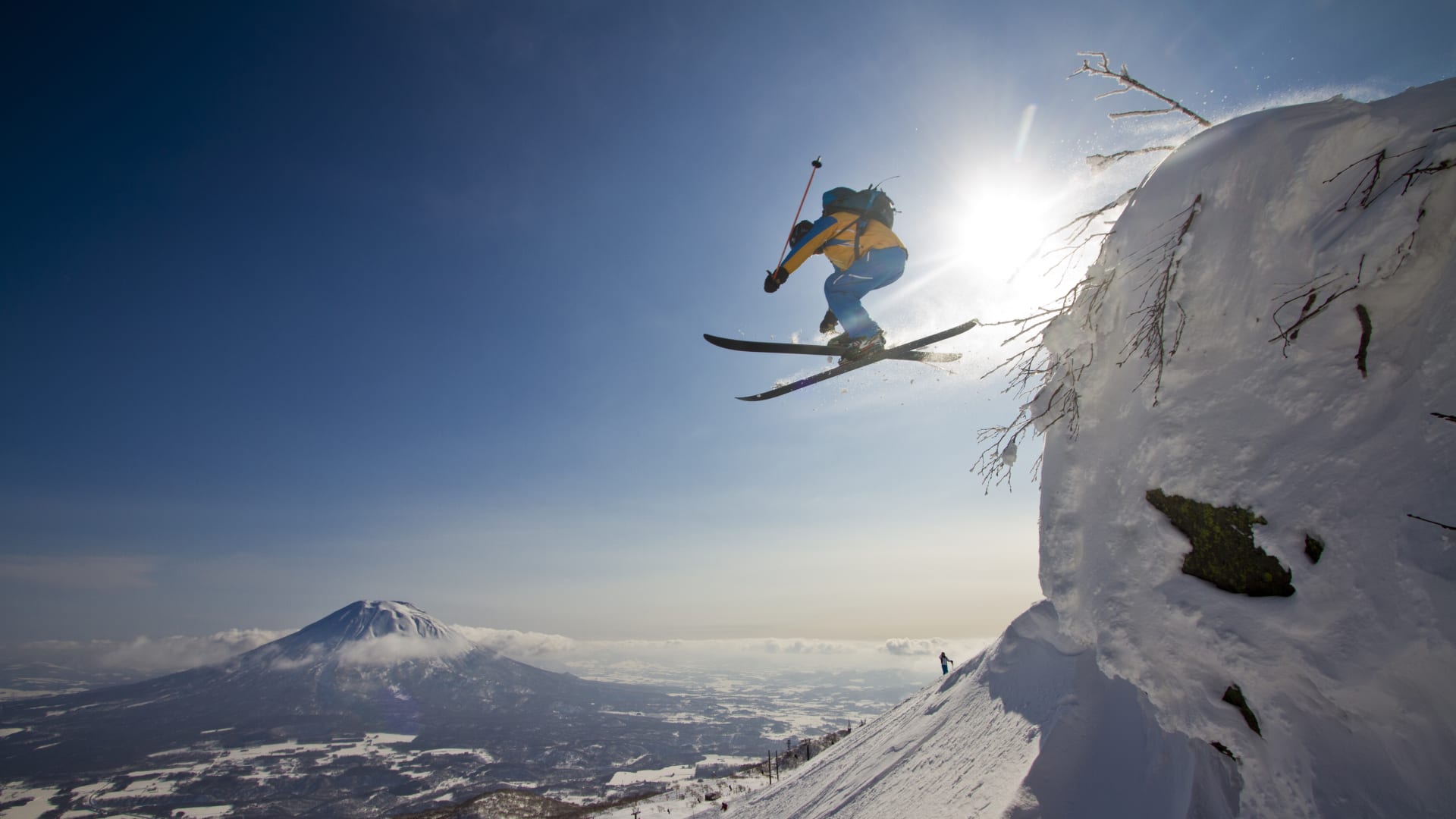
The northern island is famous for dry, light snow in Niseko and around Sapporo from December to March, and for lavender fields and hiking in summer. It is a flight, not a train ride, from Tokyo.
10. Okinawa: subtropical islands
Beaches, coral reefs and a distinct island culture in the far south. The rainy season starts earlier here than on the mainland, usually in May, and typhoons are possible from summer into autumn.

Things to do in Japan
In Tokyo, explore Shibuya and Shinjuku by night, visit Senso-ji temple in Asakusa and eat your way through a department store food hall. In Kyoto, get up early to see the red torii gates of Fushimi Inari, the bamboo grove of Arashiyama and the old streets of Gion.
Outside the big cities, Japan opens up into mountains, coastline and small towns. Hike a stretch of the Kumano Kodo pilgrimage trail, see Mount Fuji from the lakes around Hakone or Kawaguchiko, or head north to Hokkaido for national parks and hot springs.

Skiing in Japan: powder hunting in Hokkaido and Honshu
Japan has hundreds of ski areas, and its reputation for powder is well earned. Cold winds from Siberia pick up moisture over the Sea of Japan and drop it as light, dry snow, especially on Hokkaido. Niseko is the best-known resort, while Hakuba in the Japanese Alps on Honshu is easier to combine with a trip to Tokyo.
Read our guide to powder hunting in Japan for where to go, how to get around and why après-ski here means ramen and onsen. For more destinations across the region, see our Asia holidays guide.

Best time to visit Japan
Spring (late March to early April) is cherry blossom season and the most popular time to visit, so book early. Autumn, from October to early December, is just as beautiful, with red and gold leaves and comfortable temperatures.
Summer is hot and humid, with a rainy season in June and early July, but it is the time for festivals and hiking in the mountains. Winter is cold and clear in Tokyo and Kyoto, and it is peak ski season in Hokkaido and the Japanese Alps from December to March.
Planning a honeymoon in Japan? Our Japan honeymoon guide suggests a two-week route for couples, with a ryokan in Hakone, Kyoto and a beach finish on Okinawa.
Where to stay in Japan


Our pick
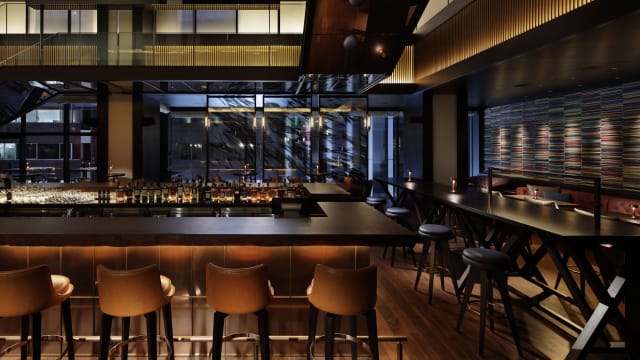
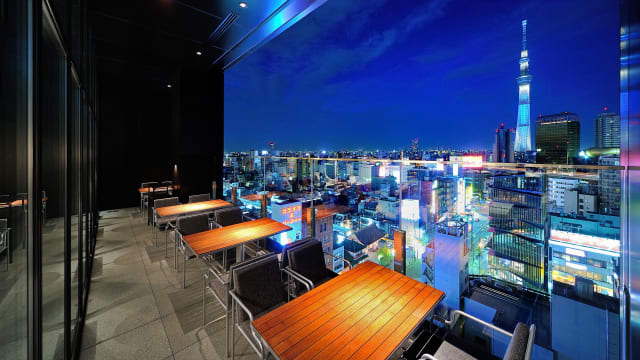
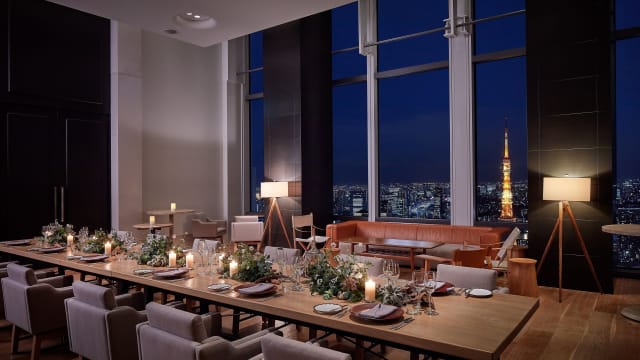
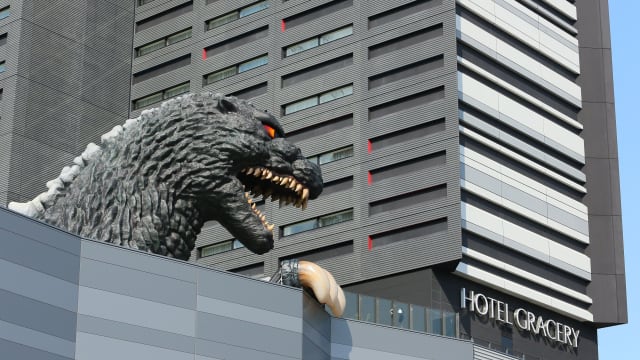
Hotel Gracery Shinjuku: a giant Godzilla head looms over the rooftop
A giant Godzilla head looms over the rooftop, neon fills the street below, and the city's busiest station is a short walk away.


Japan holidays: frequently asked questions
How many days do you need in Japan?
Ten days to two weeks is ideal for a first visit, giving you time for Tokyo, Kyoto and one or two side trips such as Nara, Hakone or Hiroshima. A ski holiday in Hokkaido usually lasts a week, and many people add a few days in Tokyo at the start or end.
Is Japan expensive to visit?
Japan can be more affordable than many visitors expect. Accommodation in the big cities and ski resorts in peak season can be pricey, but everyday food is excellent value, from ramen shops to convenience stores, and public transport is efficient and reasonably priced.
Do I need a visa for Japan?
Many nationalities, including UK and EU passport holders, can usually visit Japan without a visa for short tourist stays. Rules can change, so always check the current entry requirements and your government's travel advice before you book.
When is the best time to ski in Japan?
January and February usually bring the most reliable and heaviest powder, especially in Hokkaido. December and March can also be very good, with fewer crowds, although snow conditions are more variable at the start and end of the season.
What is the most beautiful place in Japan?
Kyoto is the classic choice. For scenery, Hakone with Mount Fuji, the Japanese Alps and Miyajima are hard to beat.
When is cherry blossom season in Japan?
In Tokyo and Kyoto it usually peaks from late March to early April, later further north. Read more about cherry blossom in Japan.
Cities in Japan
Tokyo: Neighbourhoods, food and five good days.