The best places to visit in Portugal
Portugal packs a remarkable amount into a small country. In a week or two you can explore the hilly streets of Lisbon, taste port wine in Porto, laze on the golden beaches of the Algarve and watch the Atlantic roll in on the wild west coast. The pace is relaxed, the food is excellent and the people are welcoming.
Portugal holidays are also easy from the UK, with short direct flights to Lisbon, Porto and Faro. Here are the places we think you should not miss, from the big cities to the little fishing town that became a surfing legend.


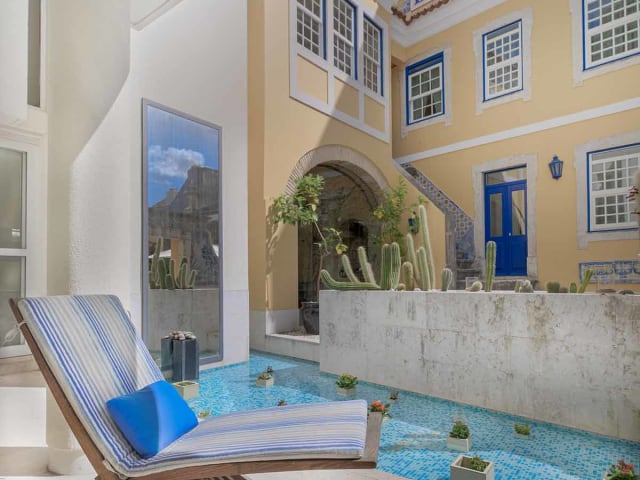

Things to do in Lisbon
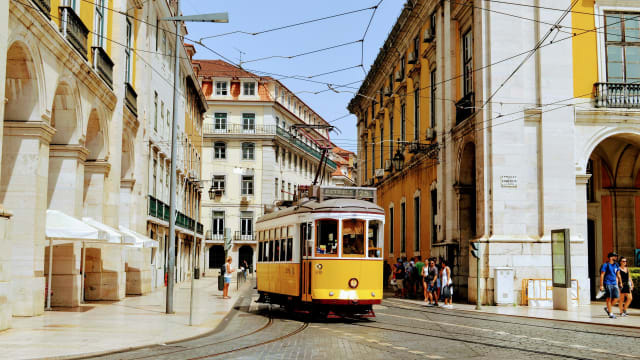
Lisbon is one of the easiest capitals in Europe to like. Ride the historic tram 28 through the old districts of Alfama and Graça, explore the castle of São Jorge and stop at the viewpoints, the miradouros, for views across the terracotta rooftops.
In Belém, you will find the Jerónimos Monastery and the Belém Tower, and the original pastéis de Belém, the custard tarts Portugal is famous for. In the evening, head to Bairro Alto for bars or listen to fado, the soulful Portuguese folk music, in a small Alfama restaurant.

Porto and the Douro Valley
Porto, in the north, is smaller and grittier than Lisbon, but every bit as atmospheric. Stroll along the Ribeira waterfront, cross the iconic Dom Luís I bridge and visit the port wine lodges in Vila Nova de Gaia across the river.
From Porto, take a trip up the Douro Valley, where terraced vineyards line the steep river banks. It is one of the oldest wine regions in the world and spectacular in the autumn harvest season.
Nazaré: home of the giant waves
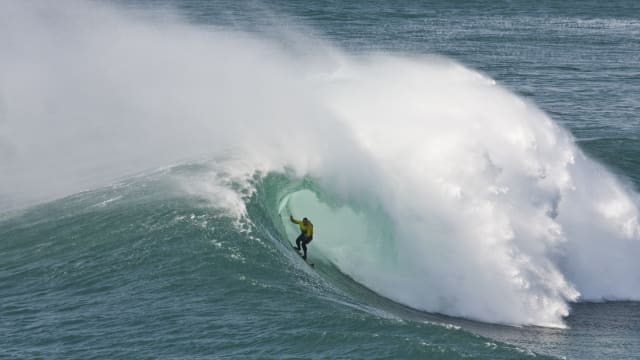
On the Atlantic coast between Lisbon and Porto lies Nazaré, a traditional fishing town that has become world famous for its enormous winter waves. On big days, crowds gather by the lighthouse to watch surfers tackle waves the size of buildings.
Read the story of how Nazaré became a surfer's dream, and the best things to do in town when the sea is calm.

Best places to visit in Portugal, at a glance
In short: for a first trip, spend three or four days in Lisbon with a day in Sintra, then take the train north to Porto and the Douro Valley. Add the Algarve for beaches, and save Madeira and the Azores for a trip of their own.
1. Lisbon: hills, trams and river light
Seven hills, yellow trams and a wide river that turns gold in the evening. Base yourself in Baixa or Príncipe Real, walk Alfama early, and leave Belém for a weekday. Read our Lisbon guide.
2. Sintra: palaces in the forest
Forty minutes by train from Lisbon, Sintra hides painted palaces and a Moorish castle in damp, green hills, and the whole cultural landscape is on the UNESCO list. Buy timed tickets for the Pena Palace in advance and take the first slot of the day.
3. Porto: port lodges and tiled churches
Porto is steeper and more working-class than Lisbon, with azulejo-covered churches and port lodges across the river in Vila Nova de Gaia. Read our Porto guide and our pick of the best hotels in Porto.
4. The Douro Valley: terraced vineyards
The Douro was one of the first wine regions in the world to be officially demarcated, in 1756, and its terraces are on the UNESCO list. Go by train along the river from Porto, or stay at a quinta (wine estate) during the harvest in September. Read our Douro Valley guide.
5. The Algarve: cliffs, coves and golf
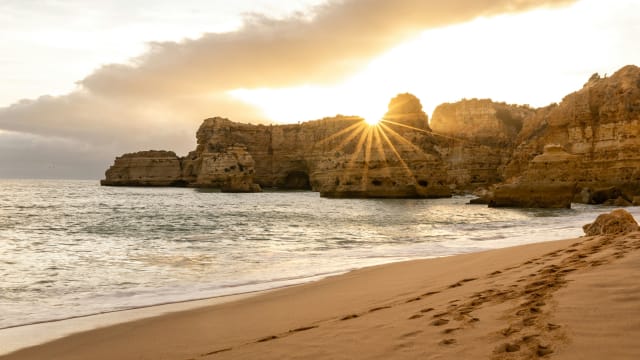
The south coast has the golden cliffs from the postcards around Lagos and Carvoeiro, and long sandy beaches towards Spain. It is crowded in July and August and pleasantly quiet from October to May. Read our Algarve guide, the best hotels in the Algarve and how to see the Benagil cave.
6. Nazaré: the town of giant waves
In winter, swells at Praia do Norte draw big-wave surfers from around the world. In summer the same town is a family beach resort. Read the story of Nazaré and its waves.
7. Óbidos: a walled town for an afternoon
You can walk the medieval walls of Óbidos in under an hour, and the local cherry liqueur ginjinha is served in small chocolate cups. It fits easily into a drive between Lisbon and Nazaré, but it fills with day-trippers at midday.
8. Évora and the Alentejo: slow country
Évora has a Roman temple in the middle of town and the Chapel of Bones, lined with human skulls. The Alentejo around it is cork oaks, white villages and long lunches. Summer is very hot here, so spring and autumn are better.
9. Madeira: levadas and mountains
A green, steep island in the Atlantic, best known for walks along the levadas, narrow irrigation channels that run across the mountains. It is mild all year, which makes it a good winter escape. Read about the levada walks and the best hotels in Madeira.
10. The Azores: crater lakes in mid-Atlantic
Nine volcanic islands far out in the Atlantic, with crater lakes, hot springs and whale watching. The weather changes by the hour, so plan days loosely. Read our Azores guide.

Portuguese food and drink
Portuguese food is simple, generous and built around great ingredients. Try grilled sardines and fresh fish on the coast, bacalhau, the salt cod Portugal has hundreds of recipes for, and a francesinha sandwich in Porto. Finish with a pastel de nata and a strong coffee.
Portuguese wine is excellent value, from fresh vinho verde in the north to rich reds from the Douro and Alentejo. For more ideas across the continent, see our guide to the best places to visit in Europe.
When is the best time to visit Portugal?
The best time to visit Portugal is in spring, from April to June, and in early autumn, in September and October. The weather is warm and sunny, the sea is pleasant on the south coast and the cities are less crowded than in midsummer.
July and August are hot and busy, especially in the Algarve and Lisbon. Winters are mild compared with the UK, which makes Lisbon, Porto and Madeira good choices for a winter break, while the west coast offers the giant waves at Nazaré.
Lisbon
The capital Lisbon is the natural place to start, with Alfama, Belém, tram 28 and pastel de nata. Read more in our Lisbon travel guide.
More destinations in Portugal
Porto: Port wine, tiled façades and the Douro Valley.
The Algarve: Golden cliffs, sea caves and whitewashed towns.
Planning to drive? Read our guide to car hire in Portugal, with routes, rules and the airports where you collect the car.
Where to stay in Portugal

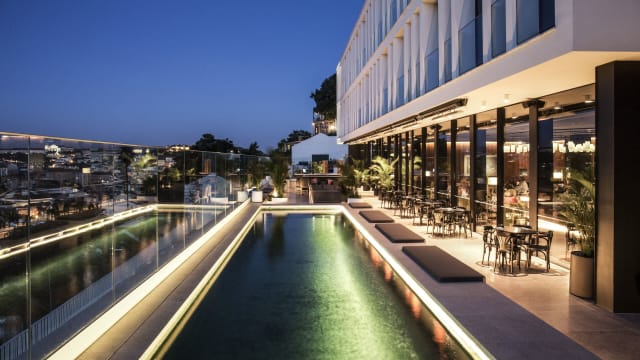
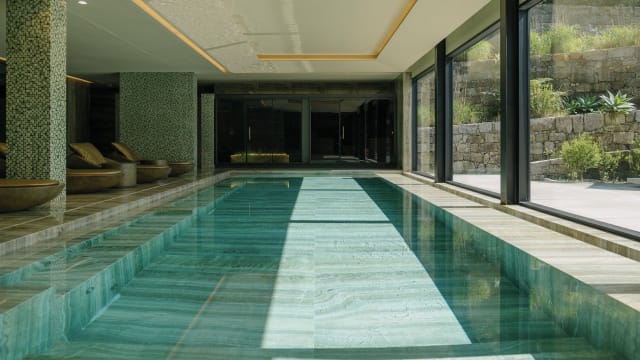

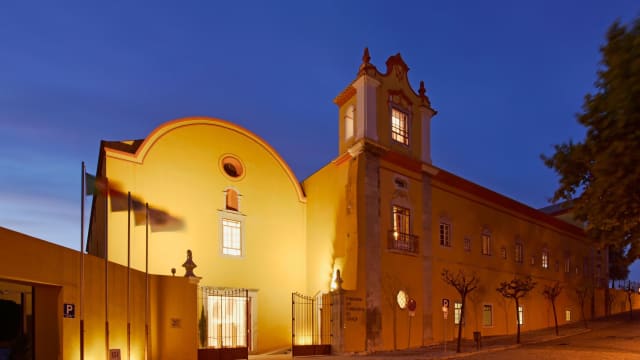


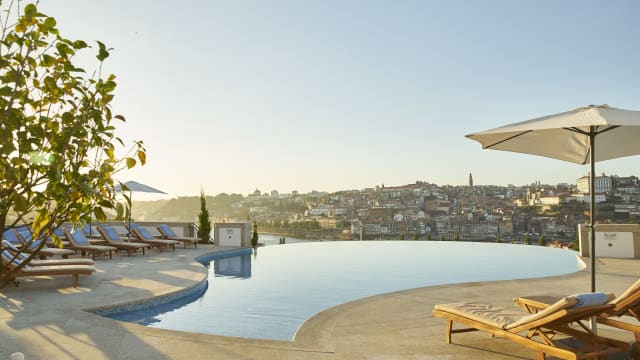
Our pick
Bairro Alto Hotel
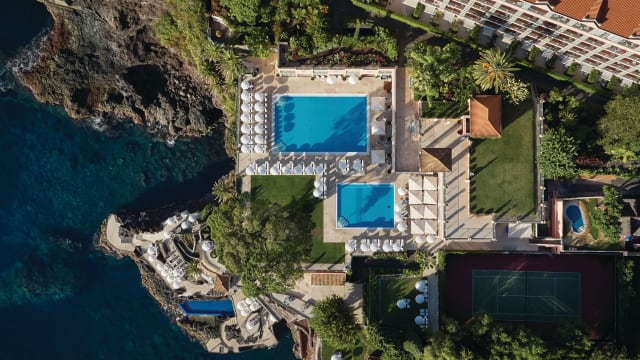
A rooftop bar above Chiado where locals and guests share the view over the rooftops, the river and the long red bridge.


Frequently asked questions about Portugal
Where should you go in Portugal for the first time?
For a first trip to Portugal, combine Lisbon with Sintra and a few days on the coast, either in the Algarve or along the west coast towards Nazaré. If you have more time, add Porto and the Douro Valley. Trains link Lisbon and Porto in around three hours, making it easy to see both.
Can you drink tap water in Portugal?
Yes, tap water in Portugal is generally safe to drink, including in Lisbon and Porto. Some people prefer bottled water because of the taste, especially in parts of the Algarve. Restaurants usually serve bottled water, so ask for tap water if you prefer it.
What language do they speak in Portugal?
The official language of Portugal is Portuguese. English is widely spoken in tourist areas, hotels and restaurants, especially among younger people. Learning a few words such as obrigado or obrigada, meaning thank you, is always appreciated.
How long is a flight to Portugal from the UK?
A direct flight from London to Lisbon, Porto or Faro takes under three hours, and there are direct flights from many regional UK airports too. Flights to Madeira take a little longer. Portugal is on the same time zone as the UK, so there is no jet lag.
What is the most beautiful place in Portugal?
Many visitors name Sintra or the Douro Valley. For coast, the cliffs of the western Algarve around Lagos are hard to beat.
How many days do you need in Portugal?
A week covers Lisbon, Sintra and Porto. With ten days to two weeks, add the Douro Valley and the Algarve.