Diving
Diving the Red Sea, where the reef starts at the jetty
Desert on one side, coral on the other. How to choose between Hurghada, Soma Bay and Sharm el-Sheikh, which wrecks and offshore reefs need experience, and what the water feels like in January.
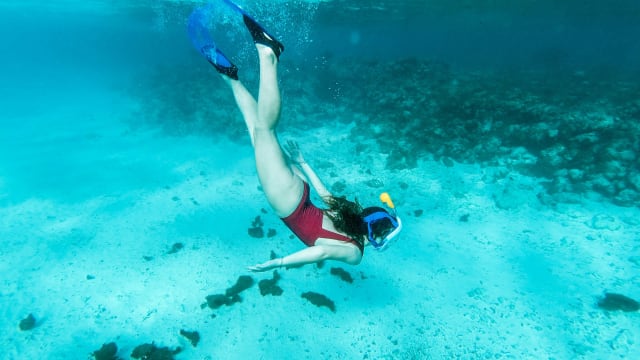
Early morning in Soma Bay, and an electric cart rattles down the jetty with a row of tanks in the back. Behind you the mountains are still grey. Ahead, at the end of the boards, the water changes colour in a clean line from pale green over sand to deep blue over the reef edge. You sit on the steps, pull on your fins and drop in. Thirty seconds later you are looking at coral.
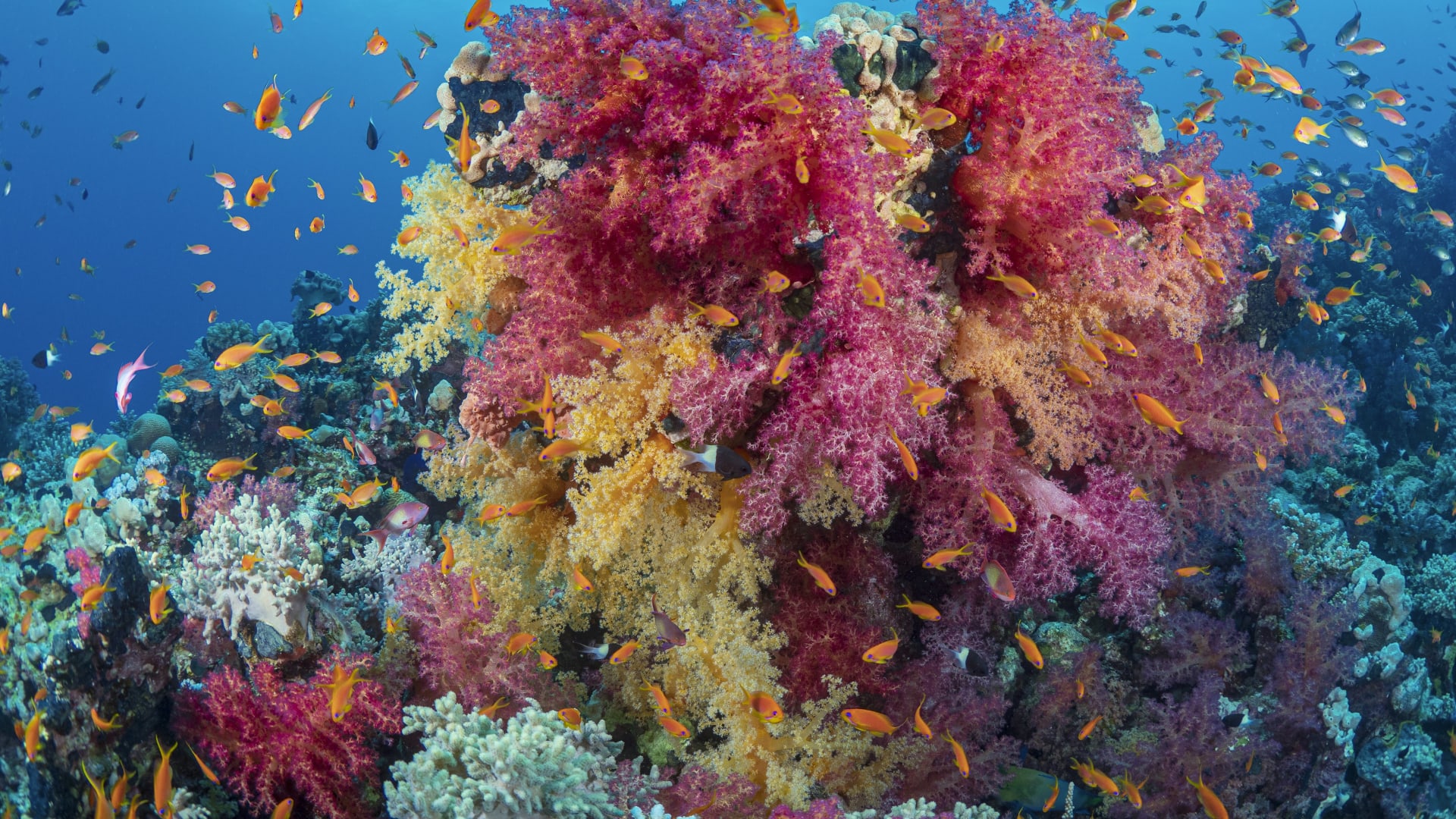
That is the appeal of diving the Red Sea. It is the closest warm sea with first-class reefs to northern Europe, the coral starts almost at the shoreline, and you can dive in every month of the year. This guide covers where to base yourself, which dives suit which level, when the water is warmest and where to stay. For the wider picture, see our ranking of the best places to scuba dive.
In short
Best base for beginners: Soma Bay or a Hurghada hotel with its own house reef, so your first dives start from the shore.
Best for wrecks: Hurghada and Sharm el-Sheikh both run day boats to the SS Thistlegorm, a Second World War supply ship.
Best for sharks: the offshore reefs of the Brothers, Daedalus and Elphinstone, mostly from a liveaboard and for experienced divers.
Water: around 22 °C in winter, up to about 28 °C in late summer.
Season: all year. Spring and autumn give the best balance of warm water and mild air.
Where to base yourself
Hurghada and El Gouna
Hurghada is the busiest base on the Egyptian mainland, with dive centres in almost every hotel and boats leaving for the reefs offshore each morning. El Gouna, just north, is a quieter resort town built around lagoons. The reefs nearest town see a lot of boats, so the better days usually involve a longer ride out. Our guide to Hurghada covers the town itself.
Soma Bay
Soma Bay sits on a headland south of Hurghada, and it is the place for divers who want to walk in rather than take a boat every time.
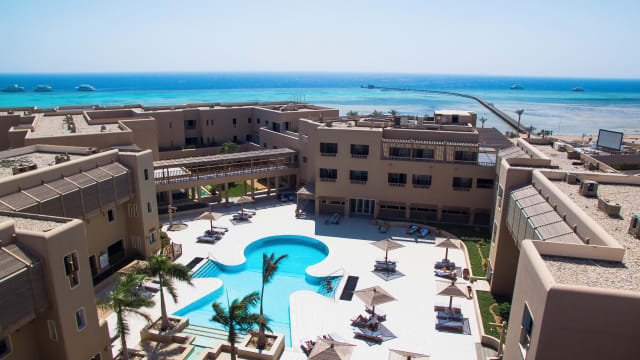
A long jetty runs out to the house reef at Ras Abu Soma, and the dive centre there runs shore dives, boat trips and courses. It is quieter than Hurghada, with a handful of large hotels and very little else, which suits a week of diving and less so a week of nightlife.
Sharm el-Sheikh
At the southern tip of Sinai, Sharm el-Sheikh is the gateway to Ras Mohammed, which became Egypt's first national park in 1983, and to the reefs in the Strait of Tiran. Currents here can be strong, and the walls drop away fast, which makes the diving more varied but less forgiving for a first-timer. Read our Sharm el-Sheikh guide for the resort side.
The SS Thistlegorm
The Thistlegorm was a British supply ship bombed by German aircraft on 6 October 1941 while at anchor near the Strait of Gubal. Her holds still carry motorbikes, trucks and rifles, and the deepest part of the wreck lies at about 30 metres.
Day boats leave early from both Hurghada and Sharm el-Sheikh, and the site gets busy. The honest advice: go with an Advanced certificate and some experience of current, because conditions on the wreck can change within an hour.
Offshore: the Brothers, Daedalus and Elphinstone
Far out from the coast, these isolated reefs rise from deep water and draw oceanic whitetip sharks and hammerheads. Most divers reach them on a week-long liveaboard from Hurghada or Port Ghalib. Operators often ask for an Advanced certificate and a minimum number of logged dives, and the marine parks require their own permits. Treat these as a second or third Red Sea trip, not a first.
When to go
The Red Sea is a year-round destination, but the experience changes with the season.
December to March: the water is at its coolest, around 22 °C, and a 5 mm wetsuit is normal. Air temperatures are mild, and winds can make boat days choppy.
April to June: the water warms up, the days get hot, and visibility is often good.
July to September: the warmest water, up to about 28 °C, and very hot days on land. Dive early and rest in the afternoon.
October and November: warm water and cooler air, the favourite window for many divers.
Which level suits which dive
Never dived: a try dive or a full Open Water course from a hotel with a sheltered house reef.
Newly certified: guided shore dives and easy boat dives around Hurghada and Soma Bay.
Advanced: the Thistlegorm, Ras Mohammed and the drift dives around Tiran.
Experienced: a liveaboard to the offshore reefs.
Whatever your level, keep the last day before your flight free of diving. Our diving hub explains the flying-after-diving guidance from Divers Alert Network.
Where to stay
Picolo does not sell dive packages or courses. Choose the hotel first, ideally one with a house reef or a dive centre on site, and book your dives locally. These are hotels we have reviewed on the coast south of Hurghada, from a simple dive lodge to the most polished resorts.
Hotels for diving the Red Sea
The Breakers, Soma Bay
A dive and kite lodge where the day starts with the briefing, not the buffet.
Soma BayDive centreKempinski Soma Bay
A large, calm resort on the same headland, for space and a longer stay.
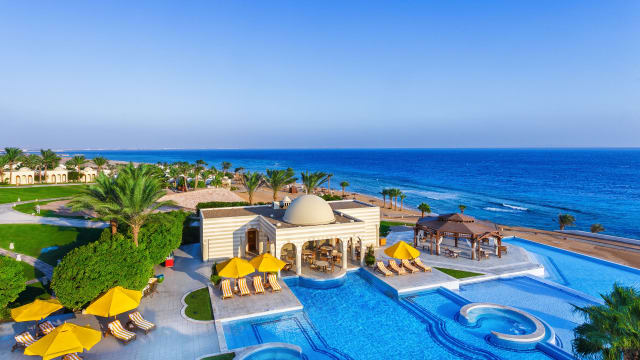
Soma BayLuxuryThe Oberoi, Sahl Hasheesh
Our romance pick on this coast, south of Hurghada, for a diver travelling with a non-diver.
Sahl HasheeshCouplesThe Chedi El Gouna
Calm, minimalist design by the lagoon, with boats to the reefs from the marina town.
El GounaDesign
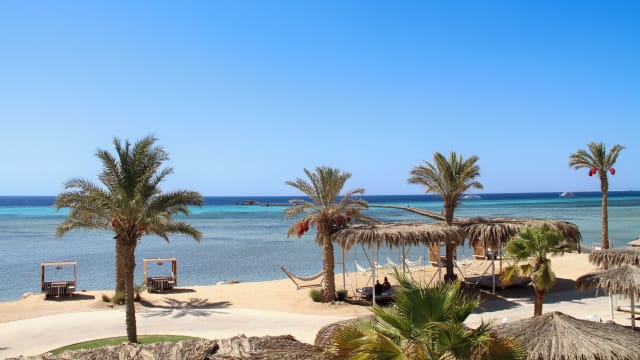
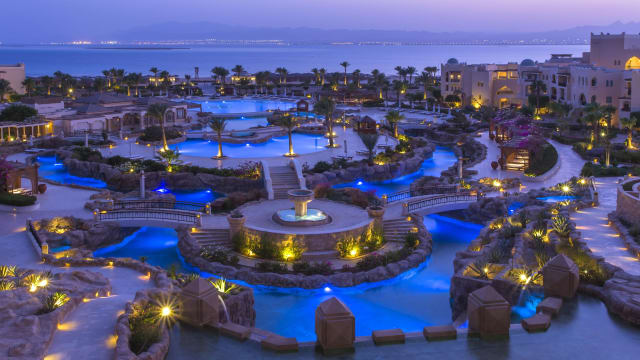

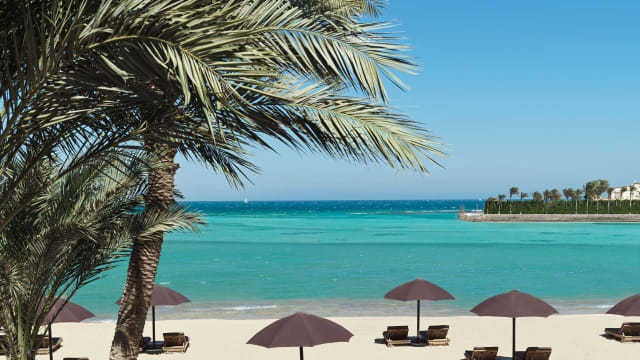
Our pick in the Red Sea
The Breakers Diving and Surfing Lodge
The Breakers is built for one thing: time in the water. The dive centre is next door, the jetty takes you straight to the reef at Ras Abu Soma, and the courses run from a first try dive to Advanced. Rooms are simple and modern, the food is good, and the bar in the evening is full of people comparing what they saw. It is not a luxury hotel and there is no kids' club, so families and anyone after marble bathrooms will be happier at the Kempinski next door.


Frequently asked questions
Is the Red Sea good for diving?
Yes. It is one of the best-known dive regions in the world, with reefs close to shore, famous wrecks and offshore sites with sharks, all within a short flight of Europe.
When is the best time to dive the Red Sea?
You can dive all year. October to November and April to June give warm water without the hottest summer days, while December to March has the coolest water at around 22 °C.
Is Hurghada or Sharm el-Sheikh better for diving?
Hurghada and Soma Bay suit beginners, with sheltered house reefs and easy boat dives. Sharm el-Sheikh gives faster access to Ras Mohammed and the Strait of Tiran, where currents and walls suit more experienced divers.
Do you need Advanced to dive the Thistlegorm?
Operators set their own rules, but the wreck reaches about 30 metres and often has current, so an Advanced certificate and some experience are strongly recommended.
What wetsuit do you need in the Red Sea in winter?
Most divers wear a full 5 mm wetsuit from December to March, when the water is around 22 °C. In late summer a 3 mm suit is usually enough.
Sources
Ras Mohammed: Egyptian Environmental Affairs Agency. SS Thistlegorm: wreck history and depth from published wreck surveys. Offshore reefs and certification requirements: Red Sea liveaboard operators. Water temperatures: long-term averages for Hurghada. The Breakers and Ras Abu Soma: the hotel, its dive centre and Picolo's hotel review. Other hotel details from Picolo's hotel reviews. Conditions and operator rules change, so confirm with your dive centre before you book. Last checked: 12 November 2026.