Diving
Diving in the Philippines, from Coron wrecks to Tubbataha
Supply ships sunk in a single morning in 1944, sharks that rise to a shallow bank at dawn, and a reef in the middle of the Sulu Sea that opens for three months a year. Where to dive, and when.
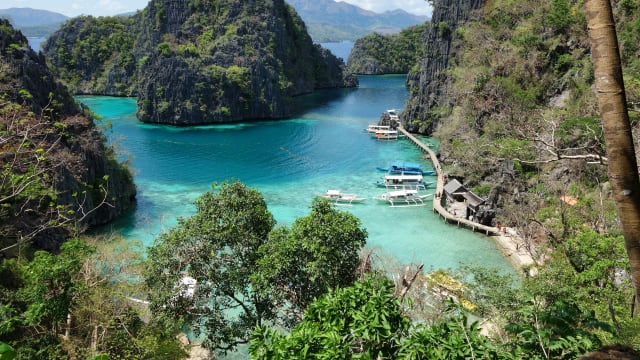
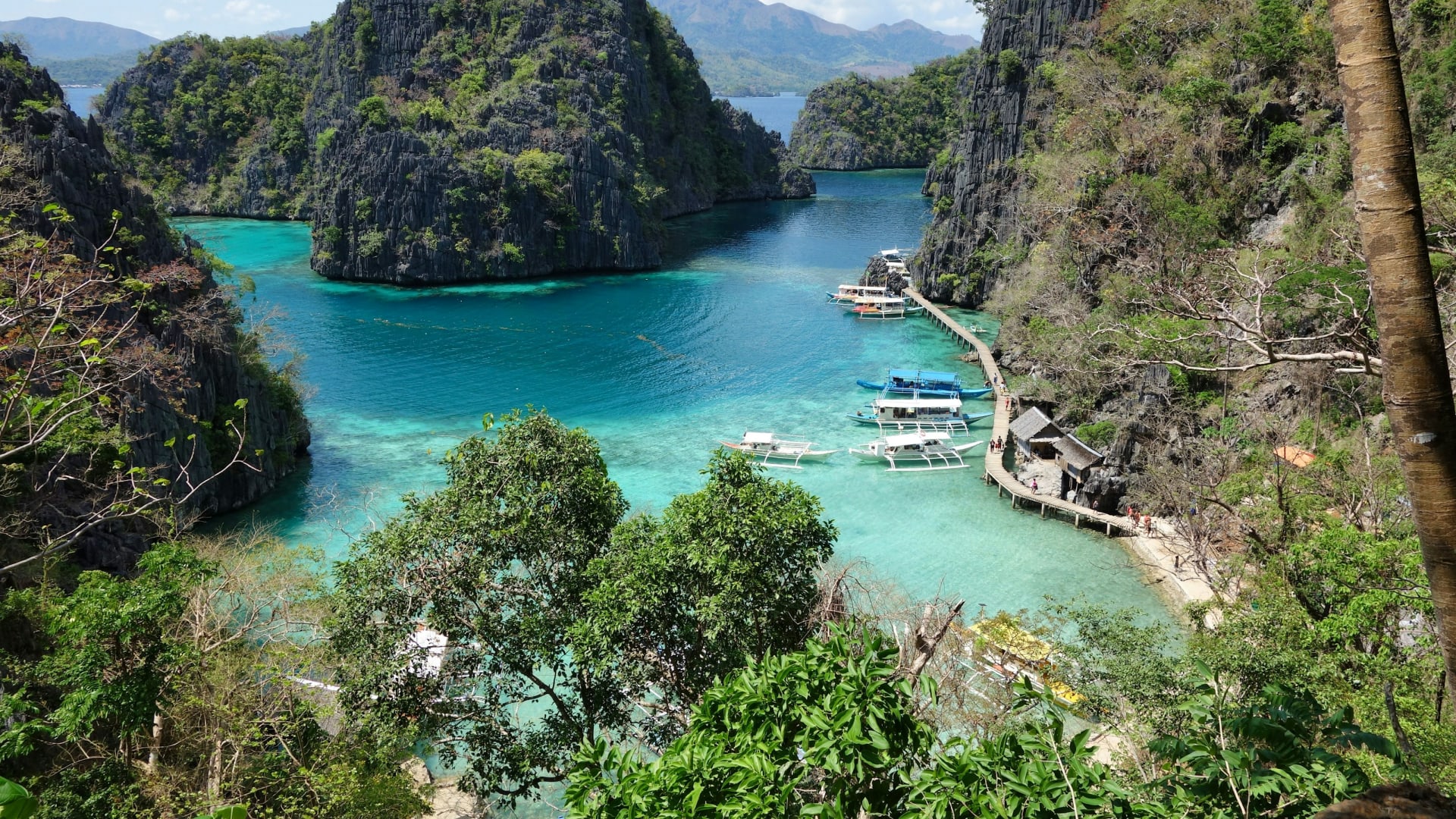
The boat ties up to a buoy in a quiet bay west of Coron town, and for a moment it is hard to believe there is anything here but green hills and still water.
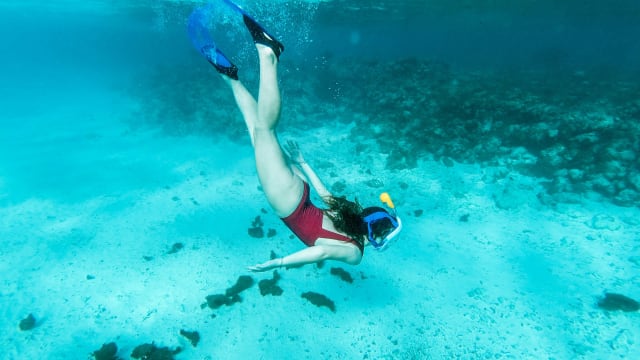
Then you descend along the mooring line, and a mast appears, then a deck, then the rounded side of a hull lying on its side in the half-light. Corals have grown over the railings. A shoal of fish turns in the open hatch of a cargo hold that was last loaded in 1944.
Diving in the Philippines is less about one famous reef than about a string of very different experiences across more than 7,000 islands. Wrecks in Coron, sharks at dawn off Malapascua, a wall of sardines off Moalboal and, for experienced divers, the remote reefs of Tubbataha.
The country sits at the edge of the Coral Triangle, the richest reef region on earth, and the variety shows. For the wider picture, see our ranking of the best places to scuba dive.
In short
Wrecks: Coron in northern Palawan, where Japanese supply ships sunk on 24 September 1944 lie at depths from a few metres to about 40.
Sharks: Malapascua, north of Cebu, for thresher sharks at dawn on Monad Shoal.
Easy for everyone: Moalboal on Cebu, where a huge school of sardines lives just off the beach all year.
Remote reefs: Tubbataha, by liveaboard only, from roughly mid-March to mid-June.
When: the drier months, roughly December to May, are the safest bet. Typhoons can hit from about June to November.
Coron: the wrecks of 1944
On 24 September 1944, American carrier aircraft attacked a Japanese supply fleet sheltering in the bays around Busuanga. Several ships sank, and around a dozen wrecks now lie within reach of recreational divers, from about 5 metres to around 40.
Some are shallow and open enough for newly certified divers to explore from the outside. Others are deep, dark inside and best left to divers with wreck training. Visibility in the bays is often lower than on open reefs, and currents can pick up, so dive with a centre that knows the tides.
The town of Coron is on Busuanga, not on Coron Island, and the airport is on Busuanga too. The wrecks lie mostly to the west of town. Our guide to where to stay in Coron explains the geography and which hotels are closest to the dive sites.
Malapascua: thresher sharks at dawn
Malapascua is a small island off the northern tip of Cebu. Its fame rests on Monad Shoal, a sunken bank 20 to 30 minutes away by boat, where thresher sharks, with their long, curving tails, rise from deeper water early in the morning to be cleaned by small fish. Boats leave before or around sunrise, and the dive is deep enough that an Advanced certificate is useful. Sightings are frequent but never guaranteed.
Moalboal: the sardine run
On the west coast of Cebu, Moalboal has one of the easiest big spectacles in diving. A school of sardines, millions strong by most accounts, lives just off Panagsama Beach, and you can reach it from the shore with a mask or a tank. Nearby Pescador Island adds a reef dive by boat. It suits divers of all levels and non-divers who snorkel.
Tubbataha: the reef in the middle of the sea
Tubbataha Reefs Natural Park lies far out in the Sulu Sea and has been on UNESCO's World Heritage list since 1993.
There is no land to stay on, so all diving is from liveaboards that leave from Puerto Princesa on Palawan, and the season is short: roughly mid-March to mid-June, when the sea is calm enough for the crossing. Trips sell out early, and they suit experienced divers who are comfortable with current and deep walls.
When to go
The Philippines can be dived all year, but the weather decides how comfortable it is. The drier months from about December to May are the most reliable. From about June to November, typhoons can stop boats and flights for days at a time, so keep a spare day at the end of any trip, especially in Coron, where small planes and boats are part of the journey.
Which trip for which diver
Never dived: a course in Moalboal or Coron town, with easy shore or bay dives.
Newly certified: the shallower Coron wrecks from outside, and the sardines in Moalboal.
Advanced: Malapascua for the threshers, and deeper wrecks with a guide.
Experienced: a Tubbataha liveaboard in spring.
As everywhere, leave the last day before your flight free of diving. Our diving hub explains why.
Where to stay in Coron
Picolo does not sell courses or liveaboards. In Coron, the right hotel saves you hours on the boat: for wrecks, stay to the west of town or on an island near the dive sites. These are hotels from our Coron guide, chosen with divers in mind.
Coron hotels for divers
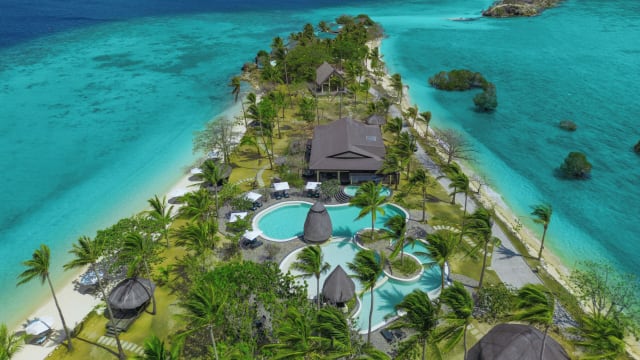
Sangat Island Dive Resort
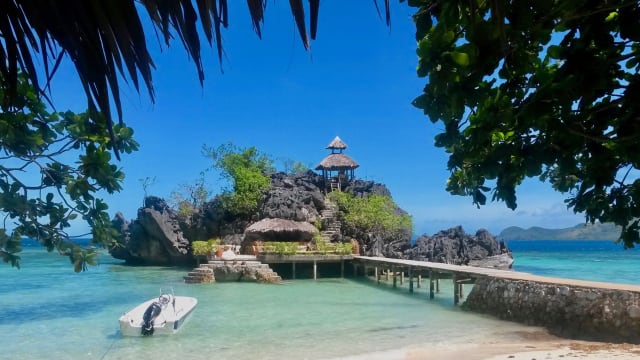
Cottages on a small island west of Busuanga, a short ride from several of the wrecks.
CoronDive resortBusuanga Bay Lodge
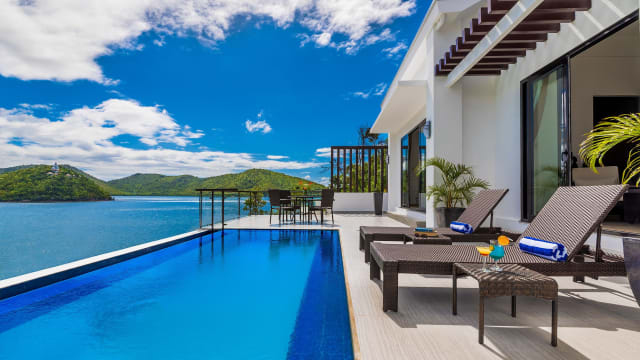
An infinity pool above the bay, a marina close by and no daily boat ride home.
BusuangaPoolDiscovery Coron, Dimakya Island
A single resort on its own island, with a house reef you can swim to and its own dive centre.
DimakyaHouse reefTwo Seasons Coron Island Resort
The island resort closest to the lakes, with a protected reef off the beach.
CoronLakes
Our pick for wreck diving in Coron
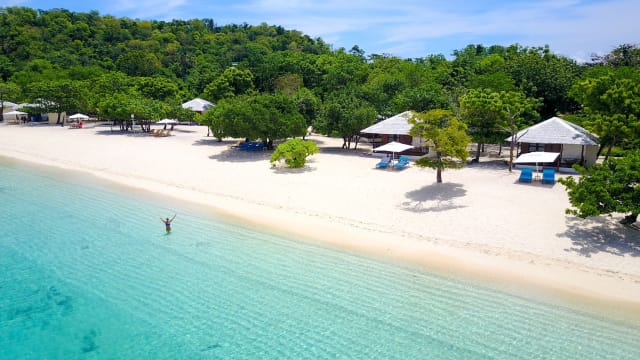
Sangat Island Dive Resort
If the wrecks are the reason you are going, sleep next to them. Sangat is a small island west of Busuanga, close to several of the 1944 wrecks, and the dive centre is the heart of the place, so you can be on the first wreck of the morning before the boats from town arrive. Cottages stand by the beach, and the evenings are quiet. It is not the place for a spa or polished service, and a non-diving partner may find it too simple. For divers, that is the appeal.


Frequently asked questions
Is the Philippines good for diving?
Yes. It combines wartime wrecks, sharks, huge schools of fish and remote reefs, and lies on the edge of the Coral Triangle, the world's richest reef region.
When is the best time to dive in the Philippines?
The drier months from about December to May are the most reliable. Tubbataha is only open from roughly mid-March to mid-June, and typhoons can disrupt travel from about June to November.
Can beginners dive the Coron wrecks?
Some of the shallower wrecks suit newly certified divers who stay outside the hull. Going inside the deeper wrecks needs wreck training and experience.
Where can you see thresher sharks in the Philippines?
At Monad Shoal near Malapascua, north of Cebu, where thresher sharks rise to cleaning stations early in the morning. Boats leave around sunrise.
How do you get to Tubbataha?
Only by liveaboard from Puerto Princesa on Palawan, during a short season from roughly mid-March to mid-June. There is no accommodation on or near the reef.
Sources
Coron wrecks and the attack of 24 September 1944: published wreck histories and Pacific Wrecks. Tubbataha: UNESCO World Heritage listing and DAN Alert Diver. Malapascua and Moalboal: DAN Alert Diver and Cebu dive operators. Typhoon season: Picolo's Coron guide and regional operators. Hotel details from Picolo's guide to where to stay in Coron. Seasons and park rules change, so check with your dive centre before you travel. Last checked: 12 November 2026.