Learn to surf
The best places to learn to surf in Europe
Sand underfoot, waves no higher than your waist and a school on the beach. Where beginners get the most standing up for their time in the water, and the months to aim for.
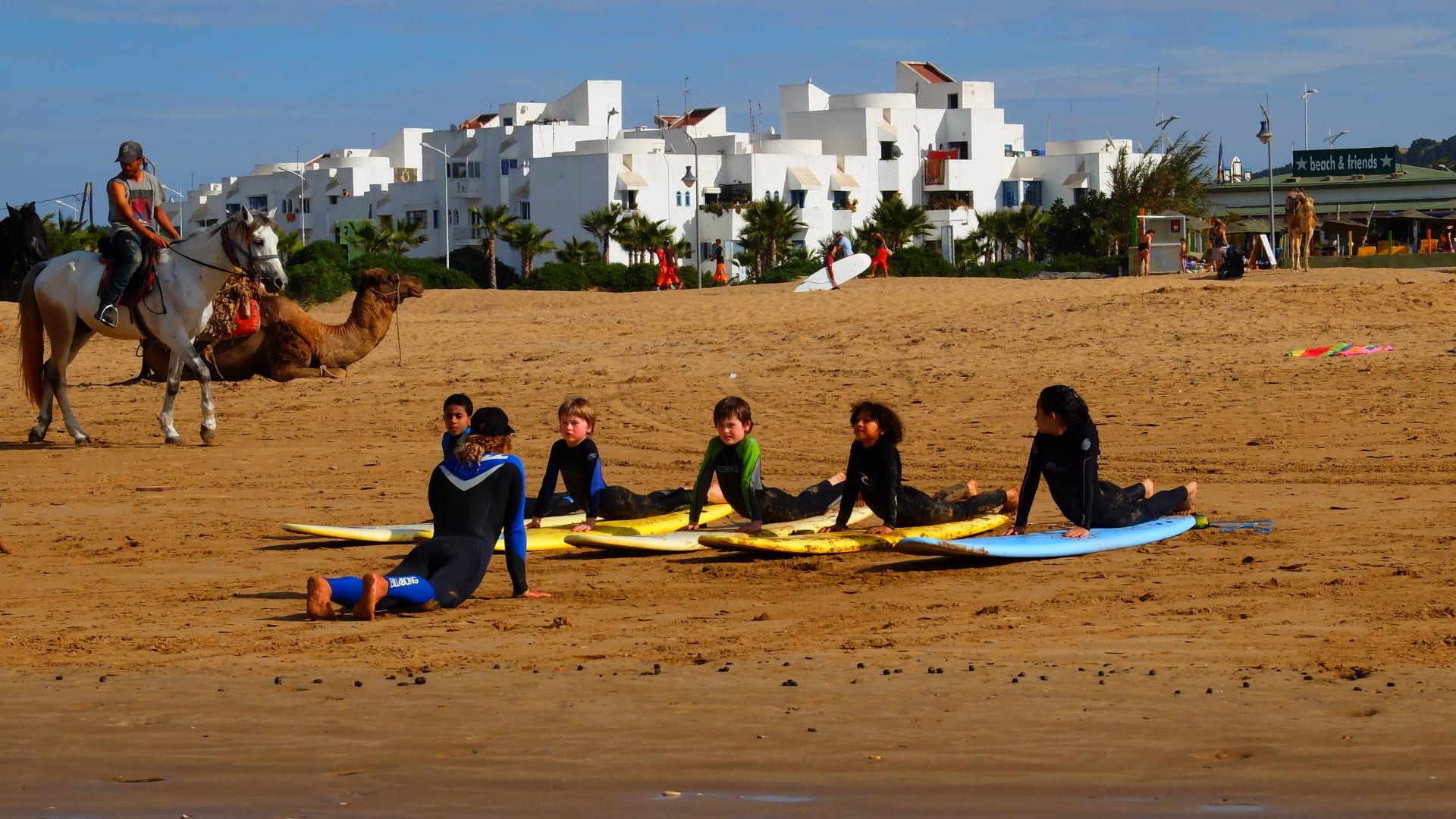
The instructor draws a surfboard in the sand with his heel, and the group lies down on it in a row. Paddle, hands under the chest, pop up. Again. Twenty minutes later they walk into water no deeper than their hips, pushing foam boards ahead of them, and the first person stands up on a wave that has already broken. It lasts three seconds. It is enough.
That first ride depends less on talent than on the place. If you want to learn to surf, you need a beach where the bottom is sand, the waves are small and break gently, and the water stays shallow a long way out. You also want several schools, so you can choose, and a season when the ocean is calm enough for lessons most days. Here is how the usual candidates compare.
In short
Best all-round: Portugal's west coast from June to September, around Peniche and Ericeira.
Warmest water: Fuerteventura in the Canary Islands, with lessons almost all year.
Best for a family beach holiday: the western Algarve in summer.
Longest sandy beaches: the Landes coast of south-west France in July and August.
Closest to home: Jæren, south of Stavanger, in summer.
Avoid: reef and point breaks, and the Atlantic coast in midwinter.

What makes a good place to learn
A beginner wants whitewater, the foam left after a wave has broken. It pushes you towards the beach, gives you time to stand, and is far more forgiving than a breaking wave. That needs a gently sloping sandy beach, ideally a wide one, so the school can spread out and you are not sharing waves with experienced surfers. Lifeguards and flags help, and so does a beach that faces slightly away from the biggest swell.
The water temperature matters less than people think, because schools supply wetsuits. What matters more is wind. Strong onshore wind makes the sea choppy and tiring, which is why mornings are often better.

The best places, ranked
1. Peniche and Baleal, Portugal
Peniche sits on a former island north of Lisbon, and the beaches on either side face different ways. Baleal, a long sandy bay, has several peaks along the shore and is one of the busiest lesson beaches in Portugal.
In most conditions one side of the peninsula is calmer than the other, which is why so many schools are based here. Supertubos, just south of town, is famous for heavy, hollow waves and is not for beginners.
2. The beaches south of Ericeira, Portugal
Ericeira is better known for its reefs, but the sandy beaches south of the town are where lessons happen. Foz do Lizandro, at the mouth of a small river, is the usual first choice, with São Julião further south and Praia do Sul in town as alternatives. Lisbon airport is under an hour away, which makes Ericeira good for a long weekend. More in our Ericeira surf guide.
3. The western Algarve, Portugal
The Algarve has two coasts. The west coast, facing the open Atlantic, gets the most waves, and Amado and Arrifana are popular lesson beaches in summer. On the south coast, Meia Praia in Lagos and the bays near Sagres are sheltered when the west is too big.
It is the best choice when the rest of the family wants a beach holiday with warmer air. Our guide to surfing in Portugal covers the regions in more detail.
4. Fuerteventura, Canary Islands
The Canaries sit far south of mainland Europe, so the air is mild in winter and lessons run all year. Schools use the sheltered beaches around Corralejo and El Cotillo, away from the volcanic reefs of the north shore, which are for experienced surfers. Summer brings the smallest waves. See our Canary Islands surf guide.
5. The Landes coast, France
South of Bordeaux, the coast is one beach after another for more than a hundred kilometres. In summer the waves are usually small and the main beaches have lifeguards. In autumn the same sandbanks around Hossegor turn powerful, so beginners should go in July or August. More in our guide to surfing in France.
6. Jæren, Norway
Jæren is a long stretch of sandy beaches south of Stavanger, and it suits everyone from beginners up, according to Visit Norway. Summer is the time to learn, with long days and the mildest water. You will still wear a thick wetsuit. Read our guide to surfing in Norway.

When to go
For mainland Portugal and France, June to September is the beginner season. Waves are smaller and more regular, and schools run lessons every day. The catch is crowds: in August the lesson beaches can be busy with foam boards.
Late September is a good compromise if you have a little experience. Morocco is mainly a winter destination, and its most famous waves are points for experienced surfers, though schools there do teach on the gentler beaches nearby, as our Morocco guide explains.
Surf camp or hotel
Picolo does not sell surf camps or lessons. A surf camp bundles bed, lessons and transport, which is simple but ties you to one school and often to shared rooms.
The alternative is to book a hotel near the beaches and book lessons with a local school once you arrive or a few weeks before. Look for a school that teaches on sand, keeps groups small and adapts the beach to the forecast. Ask whether wetsuit and board are included.
Hotels near beginner beaches
Vila Galé Ericeira
Right in town above Praia do Sul, so you can check the sea from the terrace before breakfast.
EriceiraWalk to the beachMartinhal Sagres
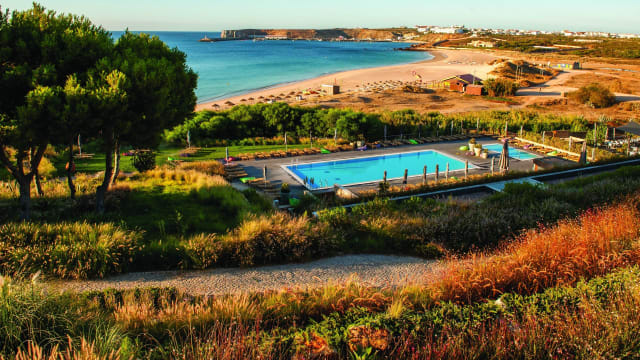
Villas and pools by a south-coast bay, for families mixing lessons with a beach holiday.
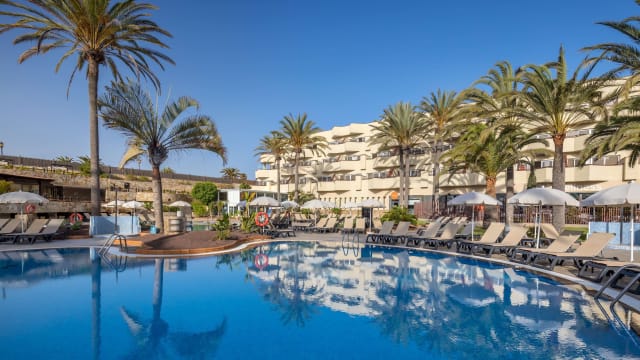
AlgarveFamiliesBarceló Corralejo Bay
A seafront base in Corralejo, where many of Fuerteventura's surf schools start the day.
FuerteventuraYear-round
Our pick for beginners
Vila Galé Ericeira for a first surf weekend
For a first try at surfing, location beats everything, and Vila Galé Ericeira is in the middle of town with its terraces over Praia do Sul. The lesson beaches to the south are a short drive or school pick-up away, the restaurants are on your doorstep, and Lisbon airport is under an hour by car. It is a big, traditional hotel rather than a design stay, so choose it for the address, not the rooms.


Frequently asked questions
Where is the easiest place to learn to surf in Europe?
Sandy beach breaks in Portugal in summer, such as Baleal near Peniche and Foz do Lizandro near Ericeira, are among the easiest. Fuerteventura is the choice if you want to learn in winter.
How long does it take to learn to surf?
Most people stand up on broken waves within the first lesson or two. Catching and riding unbroken waves on your own usually takes several weeks of regular surfing, not one holiday.
What is the best month to learn to surf in Portugal?
June to September, when waves on the west coast are smaller and schools run daily. September often has warmer water and fewer people than August.
Can I learn to surf in Morocco?
Yes, schools around Taghazout teach on gentler beaches in winter. The famous point breaks there are for experienced surfers, so check where lessons take place.
Is it better to book a surf camp or a hotel?
A camp is simpler for solo travellers on a budget. A hotel with lessons booked locally gives more privacy and lets you choose the school and beach to suit the conditions.
Sources
Visit Norway on surfing at Jæren. Save The Waves Coalition on Ericeira. Beginner beaches in Peniche, Ericeira, the Algarve and Fuerteventura from local surf schools and regional surf guides, cross-checked between several sources. Hotel details from the hotels and Picolo's hotel register. Conditions vary with swell, tide and wind, so let a local school choose the beach on the day. Last checked: 12 November 2026.