Surfing holidays
The best places to surf in Europe, by level and season
The same coast can be a gentle classroom in July and a wall of water in January. Where to go for your first wave, your first trip alone and your first real barrel, and when.
It is half past seven on a grey October morning, and the car park above the beach is already full of vans with their back doors open. Wetsuits hang from the doors.
Nobody is talking much, because everyone is watching the same thing: long lines of swell coming in from the north-west, each one folding over in the same place. This is what a good surf trip feels like, and most of it comes down to two choices made months earlier. Where you go, and when.
Picking the best places to surf is less about famous names than about matching the coast to your level and the season. A beach that is ideal for a first lesson in August can be dangerous for that same beginner in February. A reef that experienced surfers cross Europe for will be flat and crowded in midsummer. This page sorts the options by level and month, and points you to our guides for each country.

In short
First lessons: Portugal in summer, the Canary Islands in summer or autumn, and the long sandy beaches of south-west France in July and August.
Improvers: Portugal and Morocco from autumn to spring, when there are more waves but still plenty of forgiving beaches.
Experienced surfers: Portugal's reefs and points in autumn and winter, Morocco's right-hand points in winter, Hossegor in autumn.
Something different: Norway, for cold water, few people and, in Lofoten in winter, a chance of northern lights over the beach.
Big-wave spectators: Nazaré in winter, from the cliff, not the water.

Why the season matters more than the country
Europe's surf comes mostly from storms in the North Atlantic. In winter those storms are frequent and strong, so exposed coasts get big, powerful swell. In summer the Atlantic calms down, and the same beaches turn small and friendly.
Autumn sits in between: the water is still at its warmest, the swells return, and the summer crowds have gone home. That is why September to November is the window most experienced surfers aim for, and why surf schools are busiest in July and August.
The wave type matters too. A beach break is a wave breaking over sand, so it shifts with the sandbanks and is the softer place to fall. A reef break breaks over rock, and a point break wraps along a headland. Both are more predictable and often better shaped, but you fall onto something hard. When we say a place suits beginners, we mean sandy beach breaks on small days.

Where to surf, by level
Beginners
For a first surfing holiday, look for wide sandy beaches, small summer waves and plenty of schools. Portugal has the most choice, with lesson beaches near Ericeira, Peniche and the western Algarve, all within easy reach of an airport.
Our guide to the best places to learn to surf compares them with the Canary Islands and France. One honest note: the Atlantic in Portugal is cool even in summer, so a full wetsuit is normal in July.
Improvers
Once you can catch and ride unbroken waves, you want more variety than one beach can offer. Portugal is again the obvious choice, because the coast bends and breaks so often that something is usually working. Read our guide to surfing in Portugal for how the regions differ. Morocco's coast north of Agadir is the other classic, with mellower breaks between the famous points, and our Morocco surf guide covers the season and the bays.
Experienced surfers
If you are chasing quality, go in autumn or winter. Ericeira, less than an hour from Lisbon, became Europe's first World Surfing Reserve in 2011 for a reason: a short stretch of coast with reef and point breaks one after another.
In Morocco, Anchor Point in Taghazout is a long right-hander over rock that comes alive with winter swell. In France, Hossegor's beach breaks can produce heavy, hollow waves in autumn, and our guide to surfing in France explains when.

Where to surf, by month
December to February: Morocco for warmer air and long point waves. Portugal for strong swell if you are experienced. Fuerteventura's north shore reefs for intermediate and better surfers.
March to May: Portugal and the Canary Islands, with smaller swell returning to a good size for improvers.
June to August: the best time for lessons in Portugal, France and Norway's southern coast. Expect crowds on the easy beaches.
September to November: the classic window for Portugal and Hossegor, with warm water and the first autumn swells.
The islands and the north
The Canary Islands work almost all year. On Fuerteventura, the volcanic reefs between Corralejo and El Cotillo take the winter swell and suit intermediate surfers and up, while sheltered beaches in the same area are used for lessons.
Norway is the outlier. Jæren, south of Stavanger, hosted the European Surfing Championships in 2017 and 2018 and suits everyone from beginners up. Unstad in Lofoten is the famous name, but in midwinter the water there can drop to about 4 to 5 °C, and you need a thick suit, gloves and boots.
Just watching
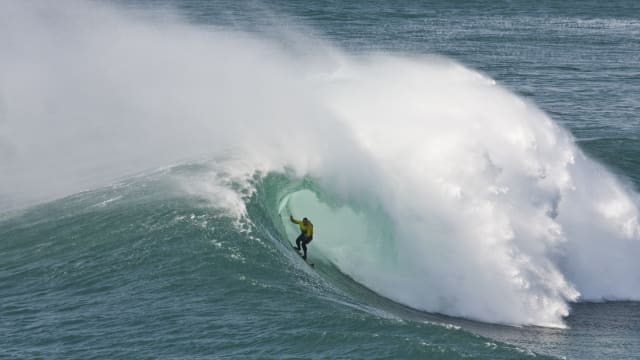
Nazaré, north of Lisbon, has the biggest waves in Europe, but they are for tow-in specialists, not holidaymakers. The season runs roughly from November to February, and the best seat is the cliff by the lighthouse. Read our story on Nazaré and its big waves before you go.

Surf camp or hotel
Picolo does not sell surf camps or lessons. What we can do is help you choose where to sleep. Many surfers book a hotel near the beaches they want, then book lessons, board hire or a guide locally once they know the conditions. That way you are not tied to one school's beach, and anyone in your group who does not surf has a proper place to stay.
Surf guides by country

Hotels close to the waves
Immerso Hotel, Ericeira
A low, dark-toned hotel in a valley outside Ericeira, with 37 rooms and a pool.
EriceiraDesignVila Galé Ericeira
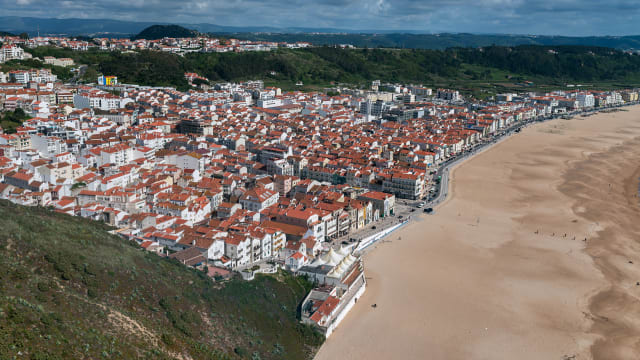
A big seafront hotel in the middle of town, with terraces over Praia do Sul.
EriceiraTown centreMartinhal Sagres
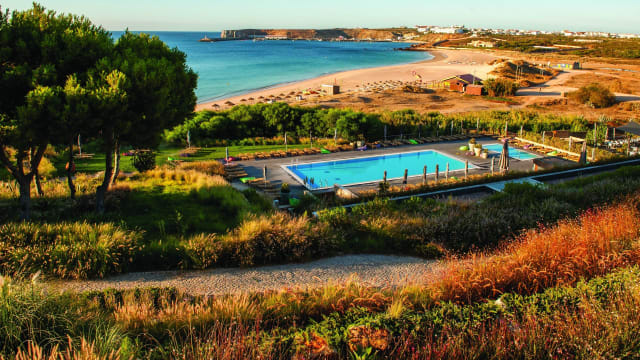
A family resort by a beach near Sagres, where the Algarve's two coasts meet.
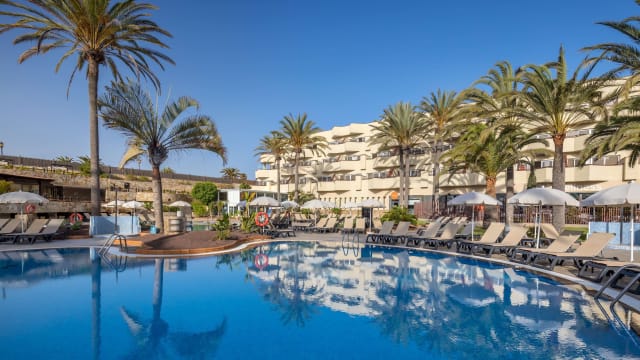
AlgarveFamiliesBarceló Corralejo Bay
On the seafront in Corralejo, a short drive from Fuerteventura's north shore.
FuerteventuraSeafront
Our pick for a first surf trip
Ericeira in September
If we had to send a friend on one surf trip, it would be Ericeira in September. The water is at its warmest, the summer crowds are thinning, and the town has lesson beaches to the south and serious reefs to the north, so a mixed group can split up in the morning and meet for lunch. Lisbon airport is under an hour away. Stay at Immerso if you want quiet and a pool, or in town if you want to walk to dinner.


Frequently asked questions
Where is the best place to surf in Europe?
For most people, Portugal, because the coast offers beginner beaches and world-class reefs within an hour of each other, and something works in almost every season. Experienced surfers also rate Hossegor in France in autumn.
When is the best time for a surf trip to Europe?
September to November gives the best mix of warm water, returning swell and fewer people. Beginners usually do better in June to August, when waves are smaller.
Where can I surf in Europe in winter?
Portugal and the Canary Islands have surf all winter, though the Atlantic coast gets big. Morocco, just south of Europe, is at its best from about October to March.
Do I need a wetsuit to surf in Portugal?
Yes. The west coast stays cool even in summer because cold water wells up from below, so most surfers wear a full suit all year. In winter a thicker suit is normal.
Can beginners surf at Nazaré?
Not on the big days at Praia do Norte, which are for tow-in professionals. The town beach is calmer, but beginners have better options at Ericeira or Peniche.
Sources
Save The Waves Coalition, Ericeira World Surfing Reserve. Visit Portugal, Ericeira surfing reserve. Visit Norway, surfing in Norway, and Visit Lofoten on winter surfing. IPMA (Portuguese Institute for Sea and Atmosphere) on coastal upwelling. Wave types and seasons for Taghazout, Hossegor and Fuerteventura from surf forecasting services and regional surf guides. Hotel details from the hotels and Picolo's hotel register. Conditions change with every swell, so check a forecast and a local school before you paddle out. Last checked: 12 November 2026.