
Surf
Surfing in Norway in Lofoten, Jæren and on Stad
Cold water, empty beaches and a wave above the Arctic Circle. Where to surf in Norway, what to wear in each season, and the rules on the beaches of Jæren.
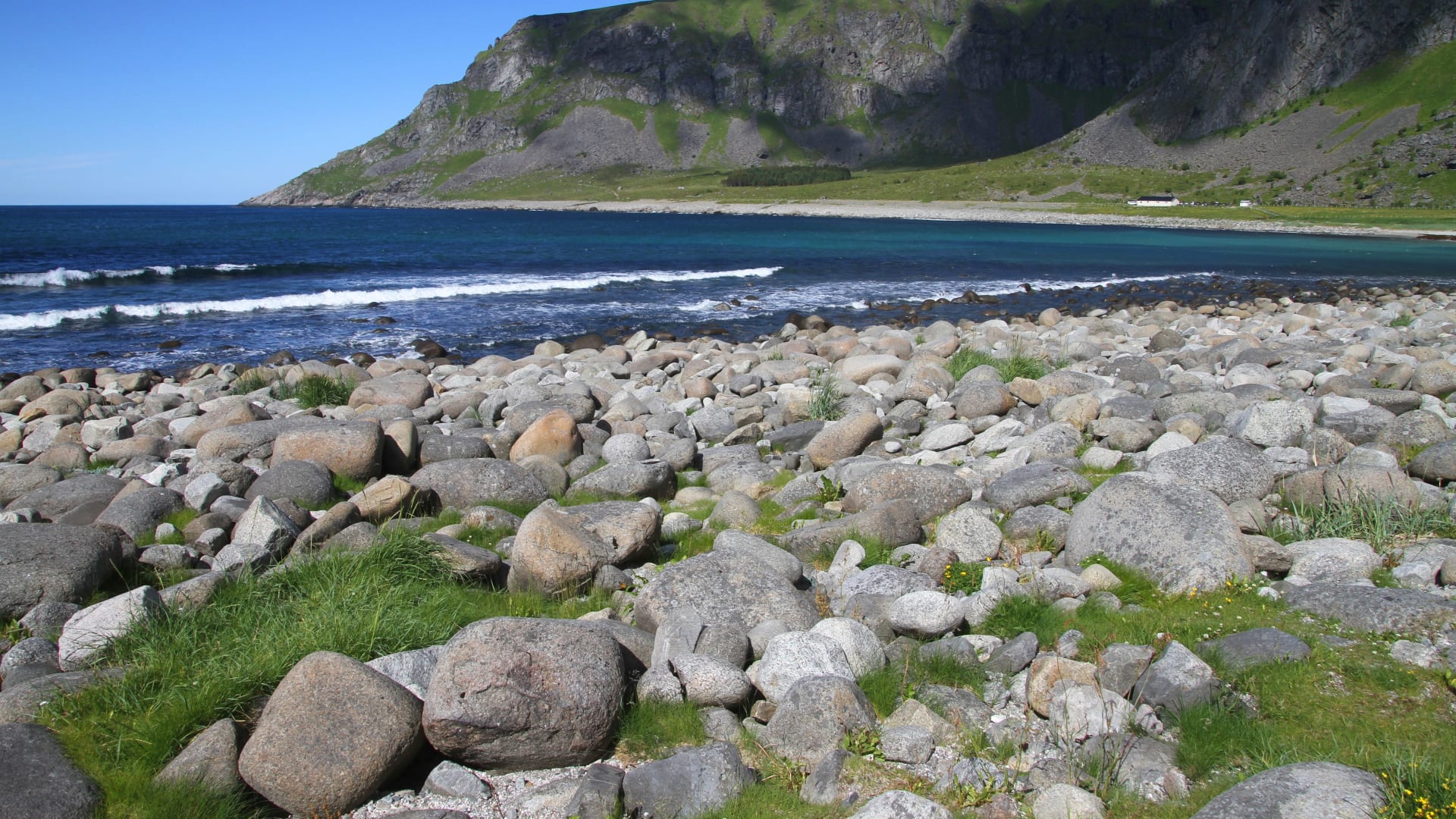
At Unstad the road from Leknes drops down to a bay with a handful of houses, dark mountains on both sides and nothing but open sea straight ahead. In February a few surfers in hoods and gloves sit out beyond the break, waiting for the next set, while snow showers drift across the horizon.
Surfing in Norway has gone from a local oddity to something people fly in for. The waves are often good, the water is always cold, and the beaches are rarely crowded. This guide covers where to surf in Norway, what to wear, when to go and the rules that apply. Picolo does not sell surf camps: we recommend where to stay, and you book lessons with the local schools.
In short: surfing in Norway
Unstad, Lofoten: Norway's best-known wave, a left-hander on the outer side of Vestvågøy, about 22 km from Leknes.
Jæren: 70 km of coast south of Stavanger, with Borestranden, Hellestø and Sola among the most used beaches.
Stad: Ervikstranda and Hoddevik on the Stadlandet peninsula, surfable all year.
Season: summer for beginners, autumn and winter for the biggest swell.
Water: around 14 to 16°C at the surface off Jæren in summer, well under 10°C in winter. Wetsuit all year.
Rules: on bird-protected beaches in Jæren, surfing is banned from 1 October to 31 March.

Unstad in Lofoten
Surfing came to Unstad in 1963. According to the Northern Norway tourist board, local men who had been at sea picked it up in Australia and built their first boards in school woodwork lessons. From 1990 it was taken more seriously, and today Unstad Arctic Surf runs lessons, gear hire and accommodation in the village. The Lofoten Masters, held since 2007, is billed as the world's northernmost surf contest.
The wave is a left, breaking to the left as seen by the surfer riding it. In autumn and winter the large, steady swells arrive and the water belongs to experienced surfers. Summer is gentler, and the school takes beginners, families and older first-timers, starting in waist-deep water. In the colder months it drives beginners to Flakstad, further west in Lofoten, where conditions are kinder.

Jæren
The Jæren beaches run 70 km from Tungenes in the north to Sirevåg in the south, about 25 km of them sand, with no skerries to break the swell before it reaches land. Visit Norway calls Jæren the most commercialised surf area in the country, which in practice means schools, rental and beaches for every level, from gentle sand to boulder points for the advanced.
Borestranden in Klepp is three kilometres long and one of the best surf beaches in Norway. It is also the only Jæren beach with both a hotel and a campsite, and the surf hostel Boretunet runs courses where children from four can join with an adult. Hellestø and Sola are the other well-used beaches.

Stad
The Stad peninsula is the westernmost point of mainland Norway, open to swell from both south-west and north-west. Most of the waves break at Ervikstranda, a sandy beach on the north side. Hoddevik, 20 to 30 minutes south, has white sand and mountains of around 300 metres rising straight behind the beach.
Both can be surfed all year, and Hoddevik has surf houses offering camps and drop-in lessons. Beds are few, so book early.
When to go, and what to wear
Visit Norway gives the season as February to November. Summer, from May to September, is for beginners: smaller waves, long days and the warmest water. Autumn and winter bring the biggest swell and the shortest light, especially in Lofoten.
The Institute of Marine Research has measured the upper water off Jæren at 14 to 16°C in summer. In winter it falls well below 10°C, and Lofoten is colder still.
Summer: a 4/3 wetsuit, four millimetres at the body and three at the limbs, does for most people.
Autumn and winter: 5/4 or thicker, with hood, boots and gloves. Visit Norway calls boots and gloves a must in winter.
After the session: dry clothes, a hat and a flask of something hot in the car. That is when the cold gets you.

Safety and the caveat
Our honest caveat: Norway is not the place to teach yourself. Outside summer the beaches are often close to empty, so nobody will see you if something goes wrong, and cold water drains your strength faster than you expect. Never surf alone, tell someone where you are, and choose a big sandy beach with a school for your first sessions.
Much of the Jæren coast is a protected landscape and bird sanctuary. In the bird protection areas, surfing, windsurfing and kiting are banned from 1 October to 31 March. Visit Norway lists Borestranden as surfable all year, but check the signs on other beaches in winter.
Where to stay
In Lofoten, stay on Vestvågøy or a neighbouring island and drive to Unstad. Jæren is easiest from Stavanger: a city hotel at night and the beach in the morning. At Stad, accommodation is small surf houses and cabins, booked direct. Comparing destinations? See the best places to surf.
Hotels for surfing in Norway
Lofoten Links Lodges
Lodges at Hov on Gimsøy beside a links golf course, facing north over the open sea.
GimsøySea viewSvinøya Rorbuer
Fishermen’s cabins on the little island of Svinøya, joined to Svolvær by a bridge.
SvolværRorbuEilert Smith Hotel
A boutique hotel in central Stavanger, the easy city base for the Jæren beaches.
StavangerBoutiqueHotel Victoria
A classic hotel on Vågen, Stavanger’s old harbour, with the beaches a drive south.
StavangerHarbour


Our pick in Norway
Lofoten Links Lodges on Gimsøy
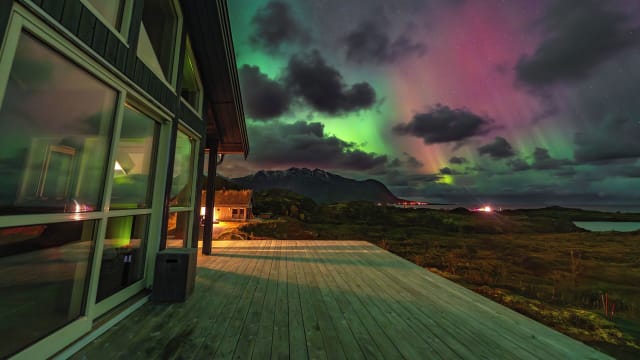
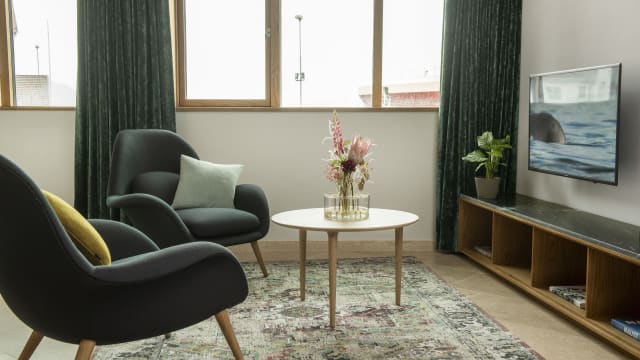
Lofoten Links Lodges stand at Hov on Gimsøy, next to a links golf course and a short walk from Hov beach, with their windows facing north over the open sea. In winter that means a front-row seat for the northern lights. Unstad is a drive away on Vestvågøy, so this suits surfers with a car who want a calm, comfortable base rather than a bunk next to the break.


Frequently asked questions
Where can you surf in Norway?
The best-known places are Unstad in Lofoten, the Jæren beaches south of Stavanger, and Ervik and Hoddevik on the Stad peninsula. Visit Norway also lists surfing on Karmøy.
When is the best time to surf in Norway?
Summer suits beginners, with smaller waves and long days. Autumn and winter bring the biggest swell and suit experienced surfers.
How cold is the water for surfing in Norway?
Off Jæren the surface water is around 14 to 16°C in summer and well below 10°C in winter. Lofoten is colder.
What wetsuit do I need to surf in Norway?
In summer a 4/3 is enough for most. In winter you need a 5/4 or thicker, with hood, boots and gloves.
Can you learn to surf in Norway?
Yes. Schools at Unstad, on Jæren and at Stad run beginner courses, mostly in summer when the waves are smallest, and supply boards and wetsuits.
Sources
Visit Norway: Surfing in Norway, Borestranden beach, and surf schools in Jæren and Nordfjord. Fjord Norway: the Jæren beaches and the rules in the protected area. Visit Nordfjord: winter surfing at Stad. Northern Norway tourist board: surfing at Unstad. Lofoten.com: Unstad. Water temperature off Jæren: Institute of Marine Research (Havforskningsinstituttet). Wetsuit thicknesses from surf guides, cross-checked. The sea and weather change quickly in Norway, so check the forecast at yr.no before you go out. Last checked: 12 November 2026.
