Sports holidays
Active holidays by sport, season and level
Surf in October, ski in March, cycle in April, walk the Dolomites in July. How to pick a sports holiday that fits your legs, your calendar and the weather where you are going.
The alarm goes at six, and for once nobody complains. The boards are already on the roof, or the bikes are already pumped, or the boots are drying by the door after yesterday's walk. An active holiday has a different rhythm from a week by the pool: early starts, big lunches, and the kind of tiredness that makes the second glass of wine feel earned.
The hard part is not deciding to go. It is matching the sport to the season, the place to your level, and the hotel to the fact that you will come back salty, muddy or sore. This page sorts our sports holidays by sport and month, and points you to a guide for each one.
In short: choosing an active holiday
Pick the sport first, then the month: the same coast can be ideal in May and unpleasant in August.
Be honest about your level: lessons, guided days and gentler terrain make a beginner's week. Experts need different places altogether.
Warm-weather sports in winter: the Canary Islands, the Red Sea and Morocco. Summer sports in the mountains: the Alps and the Dolomites from late June to September.
Check your insurance before you book: diving, skiing off-piste and some mountain routes are often excluded or need an add-on.
Our first choice for a first active holiday: a week in the Algarve in spring or autumn, where you can surf, play golf, cycle and walk the cliffs from the same hotel.
Sports holidays by sport
Best places to surf
Portugal, Morocco, France and the Canaries by level and month, plus Norway for the cold-water crowd.
Best places to scuba dive
Reefs, wrecks and walls, and where a first certification course makes sense.
Yoga retreat
Retreats by the sea and in the hills, and how to tell a serious teacher from a nice pool.



On two wheels and on foot
Cycling holidays in Europe
Our route-by-route guide to riding in Europe, from flat river paths to mountain passes.



How to choose an active holiday
Start with three questions, in this order: what do you want to do, when can you go, and how good are you. Most disappointing sports holidays fail on the second or third.
By sport
Some sports need a particular coast or mountain, others need little more than a court or a quiet road. Surf, diving and skiing are tied to nature and to a season, so the place picks itself once you know the month.
Golf, tennis, padel and yoga travel well: a good resort in Spain or Portugal can host all four, and the question becomes the quality of the coaching and the courses. Cycling and walking sit in between. You can do both almost anywhere, but the routes that make the trip worthwhile are in specific valleys and on specific islands.
By level
Beginners need gentle terrain and good teaching more than famous names. A sandy beach break with a surf school beats a reef. A ski resort with long blue runs beats one known for its couloirs.
A first cycling week on Mallorca works because the flat roads near the coast and the climbs in the Serra de Tramuntana start from the same towns. If you are travelling as a mixed group, choose a place where the stronger riders, skiers or walkers can go further while the rest stop for coffee, and where everyone meets again for dinner.
By hotel
An active holiday asks different things of a hotel. Look for somewhere to store and rinse kit, an early breakfast, a laundry service or at least a sink big enough for a wetsuit, and a kitchen that understands you will be hungry at three in the afternoon.
A spa or a decent pool matters more than usual on the second and third day. For golf and skiing, distance to the first tee or the first lift is worth paying for. Walking and cycling are the exception: a base in a village with two or three good restaurants often suits better than a big resort.

The season, sport by sport
The calendar decides more than the destination. A rough guide, for Europe and its near neighbours:
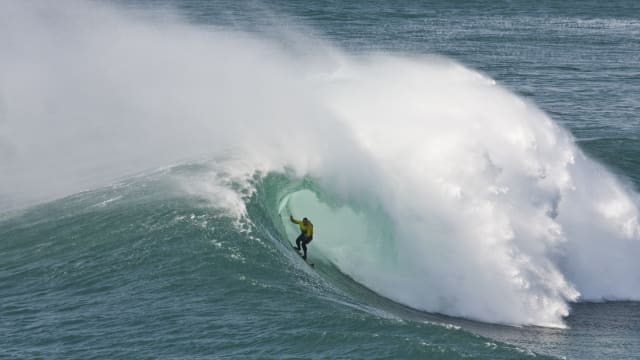
Surf: autumn and winter bring the bigger Atlantic swell to Portugal, France and Morocco. Summer is calmer and better for lessons. The Canary Islands have waves all year. See our guide to the best places to surf.
Skiing: December to April in the Alps, with the most reliable snow from late January to mid-March. Northern Scandinavia often skis into May. Our ski resorts guide sorts them by level.
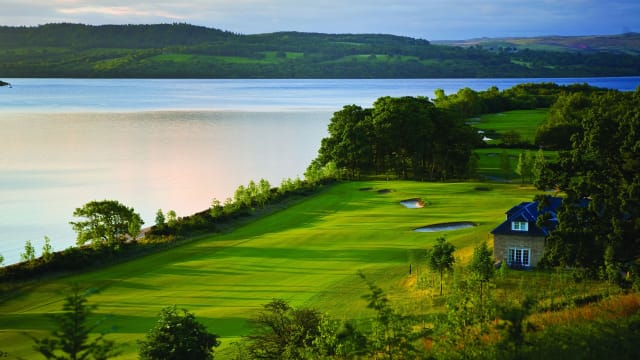
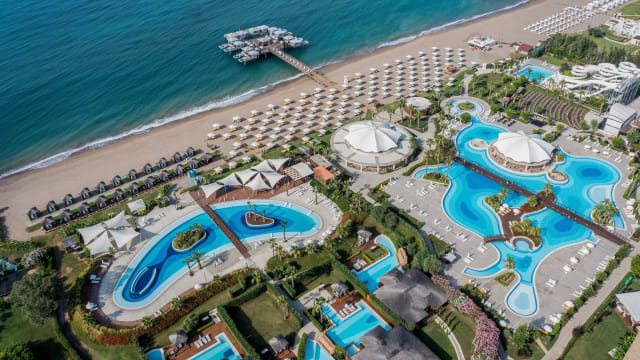
Golf: spring and autumn in the Algarve, southern Spain and Turkey, when the courses are green and the afternoons are not too hot. Scotland and Ireland are at their best from May to September. Start with our golf holidays page or the best golf hotels in Belek.
Diving: the Red Sea works all year, with the warmest water in late summer and autumn. The Mediterranean is best from June to October. More on the best places to scuba dive.
Marathons: the big city races cluster in spring and autumn, when it is cool enough to run 42 kilometres. See the best marathons in Europe.
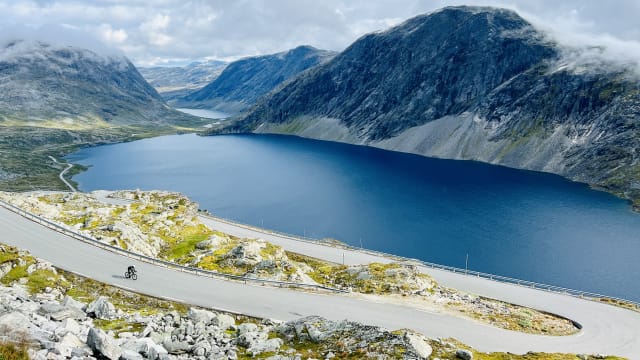
Cycling: Mallorca, Girona and the Algarve from February to May and again in autumn. The high Alpine passes are usually open from June to September. Read our guides to cycling holidays and cycling holidays in Europe.
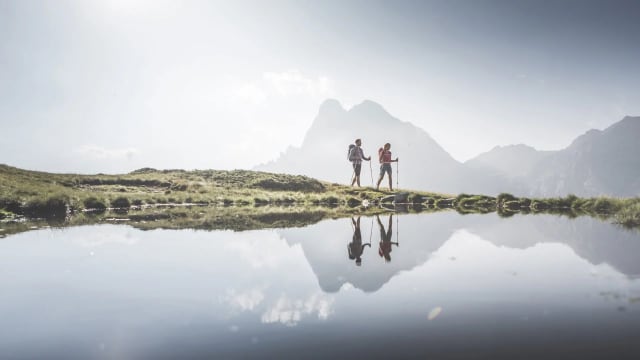
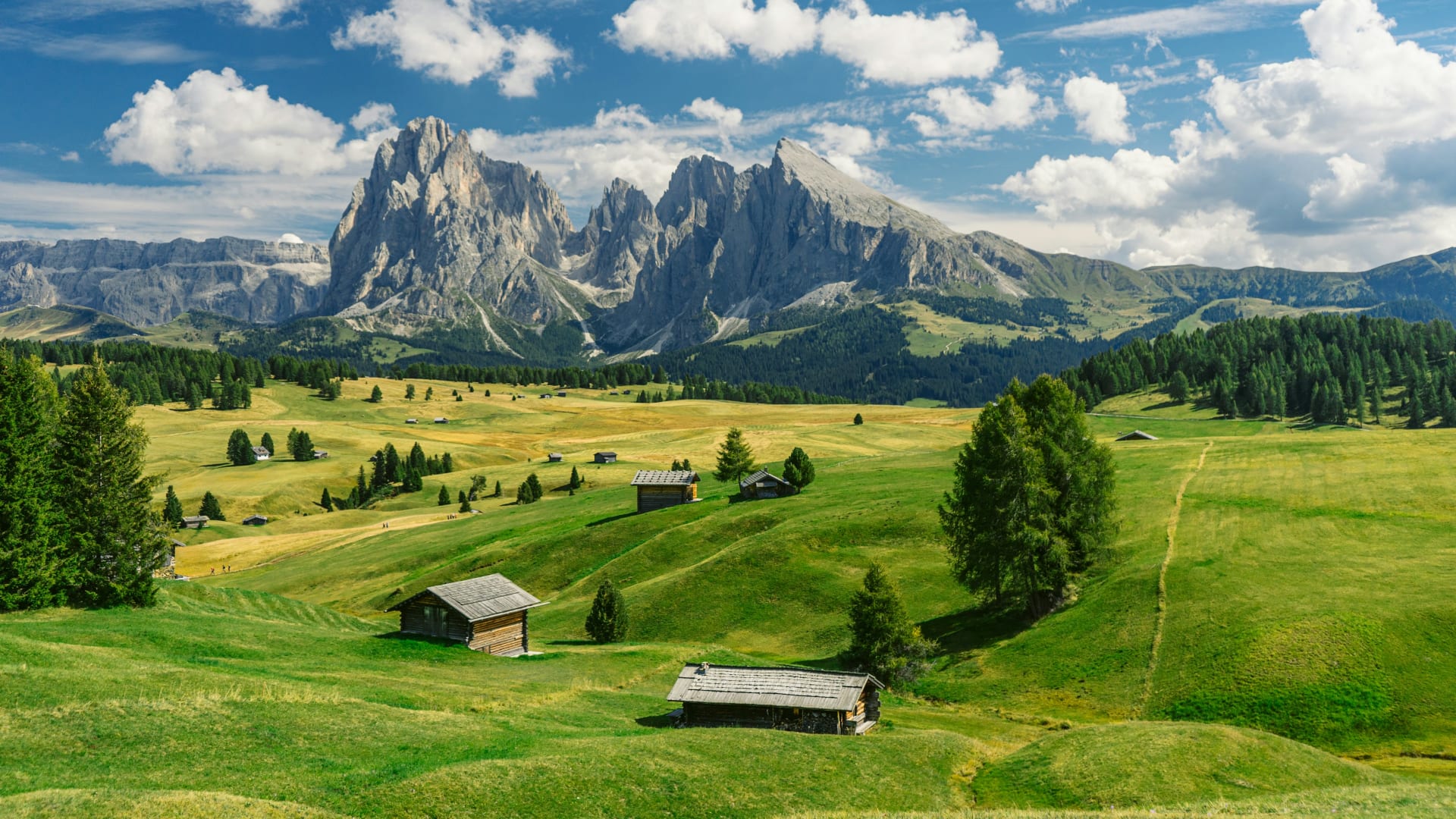
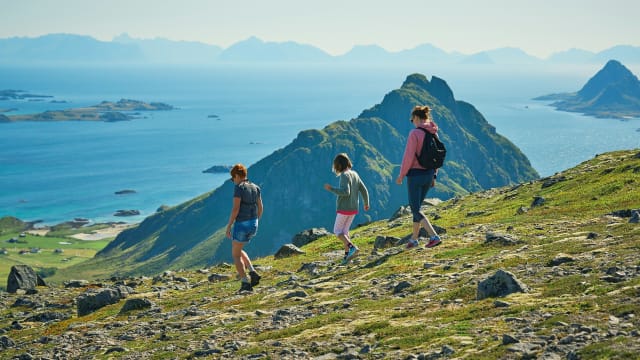
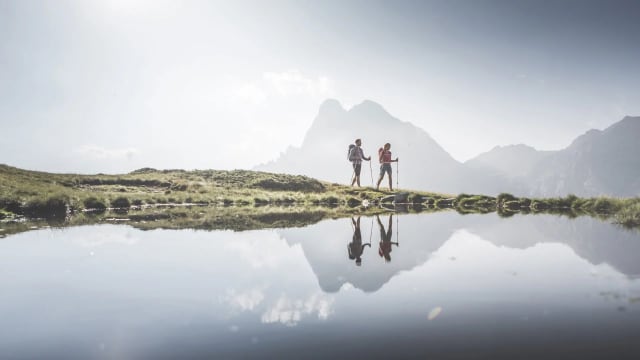
Walking: the Alps and the Dolomites from late June to September, when the mountain huts are open. Madeira and the Canary Islands in winter. See walking holidays and hiking in the Dolomites.
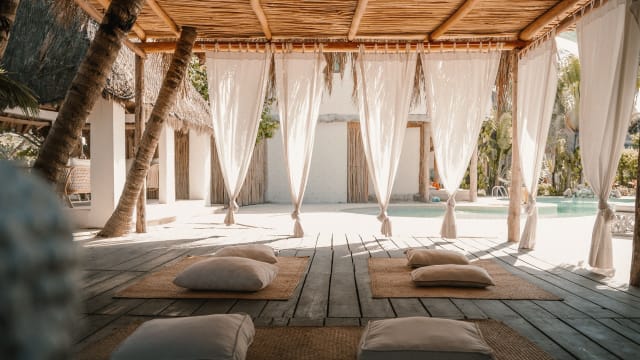
Yoga, tennis and padel: all year in southern Europe, but spring and autumn are kinder for playing outdoors. Our guides cover yoga retreat options, padel holidays and tennis holidays.
Before you book: the honest part
An active holiday can go wrong in ways a beach week cannot. Three things are worth sorting before you pay a deposit.
Gear. Bringing your own bike, board or clubs costs money on most airlines and adds time at both ends. Renting is often simpler for surf and skis, less so for a road bike that has to fit you. If you rent, book ahead in high season and ask exactly what is included.
Insurance. Standard travel insurance often excludes scuba diving below a certain depth, skiing off marked runs and some mountain routes. Read the policy, not the summary, and buy the add-on if you need it. A broken wrist abroad is expensive.
Fitness. Most people overestimate how much they can do on day two. Plan a rest day or an easy morning in the middle of the week, and train a little at home before a cycling or walking trip with long days. The holiday should leave you tired, not injured.
Our pick for an active week
Martinhal Sagres in the western Algarve
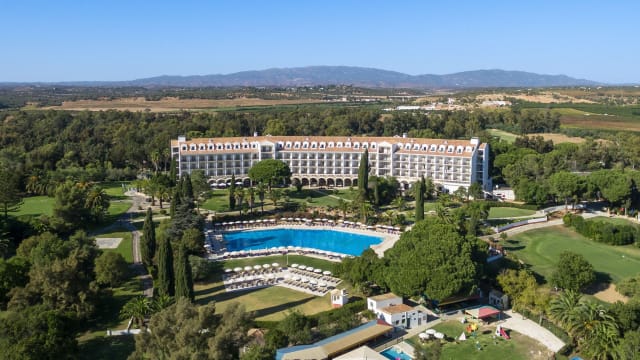
Sagres sits at the south-western corner of Portugal, where the south coast meets the Atlantic. That corner is the point: when the wind is wrong on one side, the beaches on the other side are often clean, which is why surf schools gather here. Martinhal is a low-rise resort on the bay just east of town, with a beach below and the cliff path to Cape St Vincent within reach. We would choose it for a mixed group, where one person surfs, one cycles and one would rather read by the pool.


Frequently asked questions
What is an active holiday?
A trip planned around doing something, such as surfing, cycling, walking, skiing or diving, rather than around resting. Most combine a few hours of sport a day with good food and a comfortable bed.
Where can I go for a sports holiday in winter?
Ski in the Alps or Scandinavia, or go south: the Canary Islands for surf, cycling and walking, the Red Sea for diving, and Madeira for walking. Southern Spain and Portugal are mild enough for golf most of the winter.
Are active holidays suitable for beginners?
Yes, if you choose the place for your level. Book lessons or a guide for the first days, pick gentle terrain, and avoid destinations known mainly for expert conditions.
Does travel insurance cover sports on holiday?
Not always. Scuba diving, off-piste skiing and some mountain activities are often excluded or need extra cover, so check the policy wording before you travel.
Should I bring my own equipment or rent it?
Renting is usually easier for surfboards, skis and diving gear. Keen cyclists and golfers often prefer their own, but check airline fees for sports equipment first.
Sources
This page builds on Picolo's guides to surfing, golf, skiing, cycling and walking. Seasons are general patterns and vary from year to year, so check snow reports, surf forecasts and race calendars before you book. Insurance terms vary by provider. Last checked: 12 November 2026.