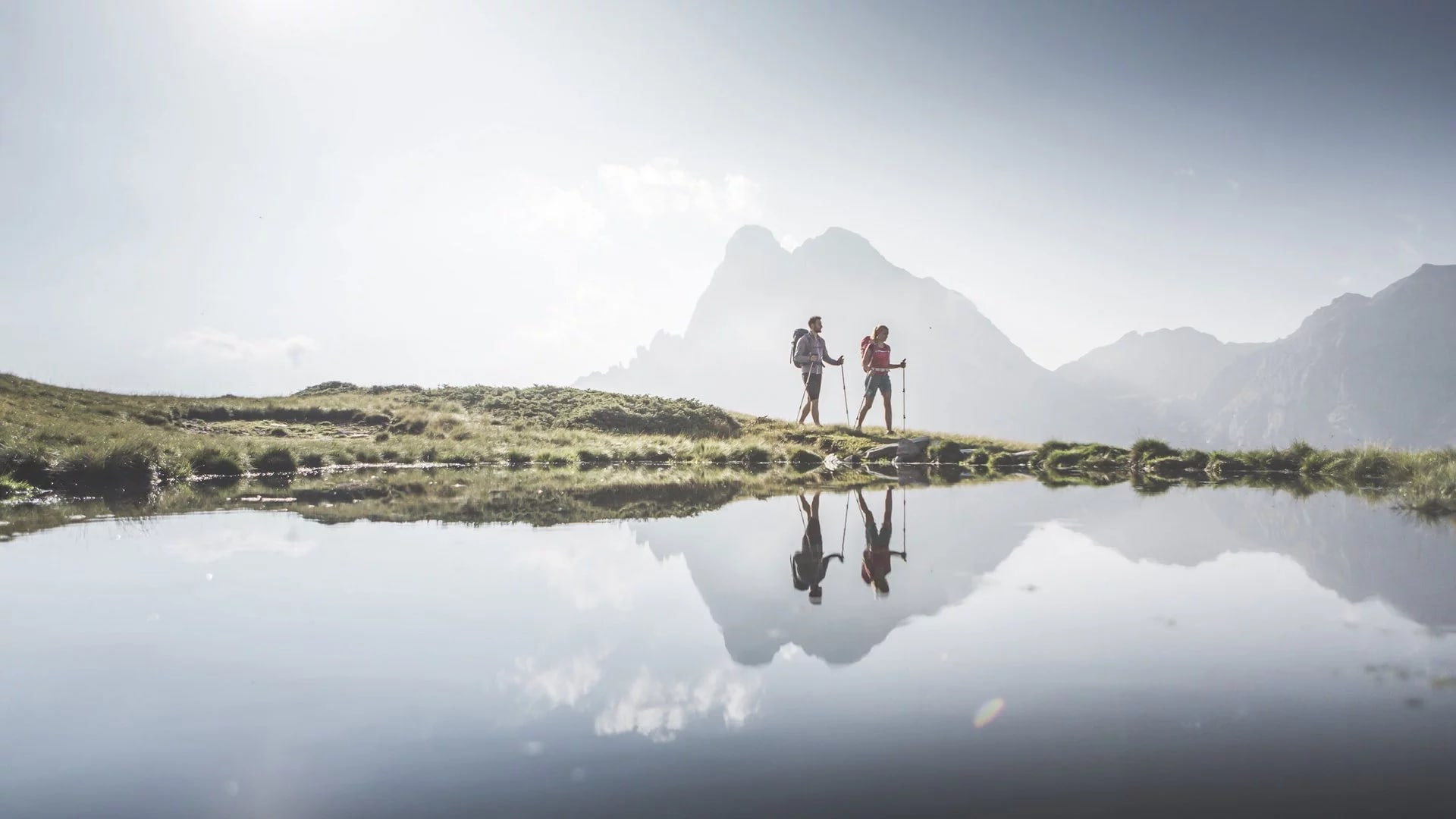
Hiking holidays
Walking holidays in Europe, and the bed at the end of the day
Ridges above the clouds, water channels through laurel forest, a pilgrim road and a fjord far below your boots. Four very different walking holidays, and how to choose between them.
It is twenty past four in the afternoon, your legs have done seven hours, and the last half hour is downhill. Somewhere below there is a shower, a pair of shoes that are not boots, and a table with your name on it. On a good walking holiday that moment matters almost as much as the view from the top, and it is the part most people plan last.
This page sorts four of Europe's best walking holidays by what they ask of you and what they give back, and then by where to sleep. Picolo does not sell guided tours or packages. We help you choose the place and the hotel, and you book guides, huts or luggage transfers locally if you want them.
In short
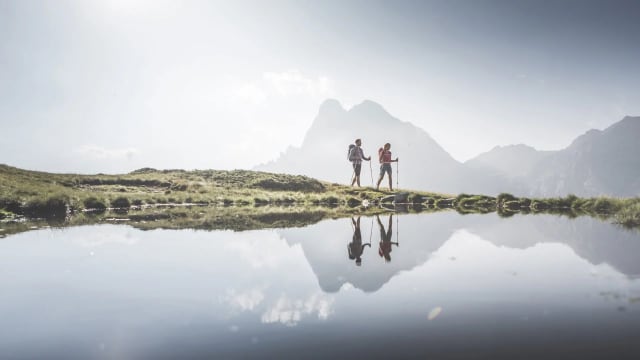
The Dolomites: high limestone walking from a valley hotel with lifts, or hut to hut across the range. Best from mid-June to late September.
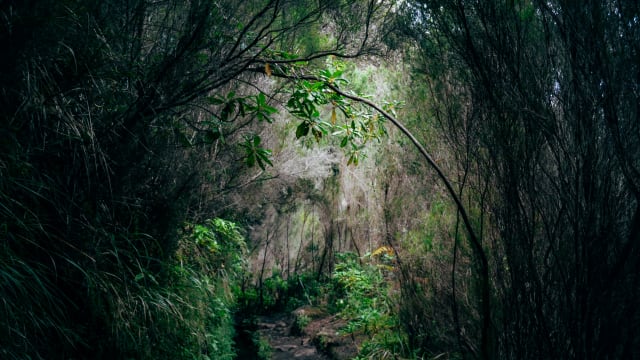
Madeira: levadas, the old irrigation channels that contour the island's mountains, plus a few steep ridge paths. Walkable most of the year, but the classified trails must now be booked and paid for online.
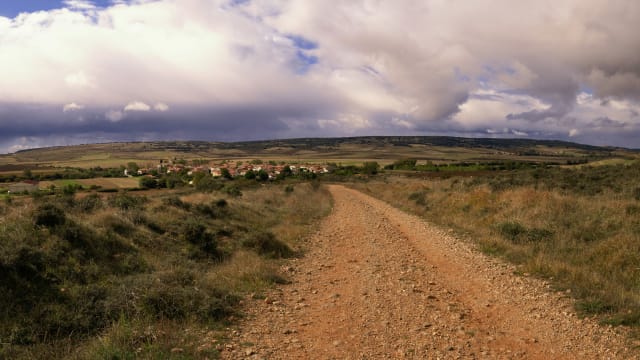
The Camino de Santiago: a pilgrim route across northern Spain and Portugal that ends at the cathedral in Santiago de Compostela. The last 100 km on foot earns you the Compostela certificate.
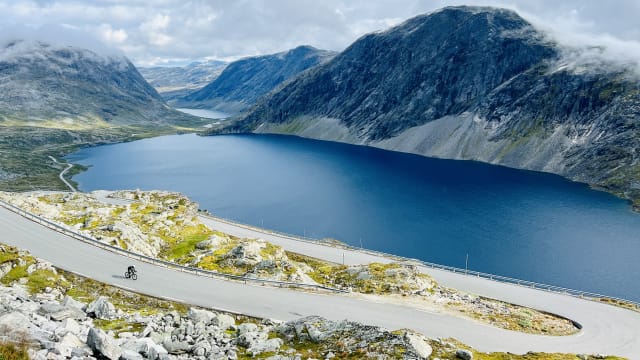
Norway: long, exposed day hikes such as Trolltunga, Preikestolen, Besseggen and Romsdalseggen, with a short summer season for the big ones.
Which walking holiday suits you
If you want big mountains and a good dinner
The Dolomites are the easy answer. Lifts lift you past the dull first 800 metres, the paths are well marked, and the valleys of Alta Badia and Val Gardena have hotels that take walkers seriously. The real decision: sleep in the same valley every night, or walk from hut to hut. Our guide to Dolomites hiking holidays explains the trade-off and the bases, and our Dolomites hiking route guide covers the walks themselves.
If you want warmth in spring or autumn
Madeira works when the Alps are under snow. The levada paths are mostly gentle in gradient, but some run along drops with no railing, and a few tunnels need a torch. Since January 2026 every classified trail on the island needs a booked time slot, so this is no longer a place to wing it. Read our guide to hiking on Madeira for the rules.
If you want a walk with a beginning and an end
The Camino is less about scenery than about rhythm: one stage a day, the same small rituals, and a city at the end. It is not hard walking, but it is repetitive, and blisters end more pilgrimages than hills do. Our Camino de Santiago guide covers the credential, the stamps and where to stay at either end.
If you want the photograph everyone knows
Norway's famous hikes are day walks, but long and serious ones. Trolltunga takes most people 10 to 12 hours from the main car park, and the official advice is to go with a guide outside the summer season. Our guide to hiking in Norway gives the season, the parking and the safety basics for each.
When to go
March to May: Madeira, and the lower stages of the Camino in Spain.
Mid-June to mid-September: the Dolomites and Norway's mountain hikes, when lifts, boats, buses and huts run.
September and October: the Camino and Madeira again, with fewer people than midsummer. Some Dolomites lifts run into early October.
Winter: Madeira is the only one of the four we would plan a walking holiday around.
Hotel base or moving on
A walking holiday comes in two shapes. With a fixed base you unpack once, walk with a light day pack and choose each morning's route by the weather. Moving on, hut to hut in the Dolomites or stage by stage on the Camino, gives you a journey, but you carry more, you commit to dates, and a bad-weather day is still a walking day.
For a first walking holiday we lean towards a base. You learn your pace, you can rest a day without losing a booking, and anyone in your group who wants a shorter walk has somewhere comfortable to come back to. The honest caveat: the best hut nights in the Dolomites and the arrival on foot in Santiago are things a base cannot give you.
Hiking guides by destination
Hotels for walkers
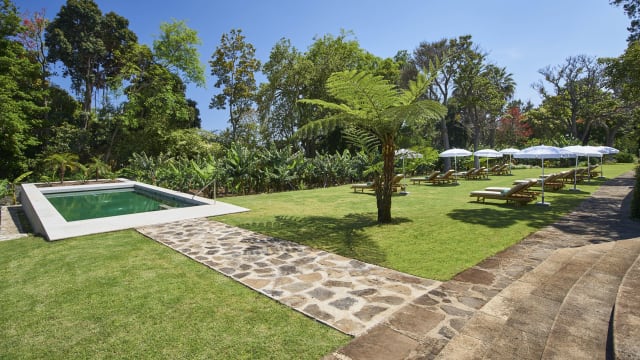
Quinta da Casa Branca, Funchal
A quiet quinta in large gardens in the Lido area of western Funchal.
MadeiraGardenParador de Santiago, Hostal dos Reis Católicos
The old royal pilgrim hospital on the square in front of the cathedral.
SantiagoHistoric

Our pick for a first walking holiday
Madeira in spring, from a garden in Funchal
If a friend asked us where to start, we would send them to Madeira in April or May and put them at Quinta da Casa Branca. It is a quiet house in big gardens on the western side of Funchal, close enough to the Lido area for dinner on foot. From there you can reach the levadas by car or with a local guide, walk for half a day, and be back by the pool before the evening cloud comes down. Book the trail slots before you fly.


Before you book
Fitness: be honest about hours, not kilometres. Six hours with 1,000 metres of climbing is a different day from six hours on a flat levada.
Permits and bookings: Madeira's classified trails, the Trolltunga upper car park and the Tre Cime toll road in the Dolomites all need booking in season.
Insurance: check that your travel insurance covers mountain walking and rescue.
Boots: walk in them at home first. New boots on a long day are the commonest way to ruin a trip.
Prefer two wheels? Our guide to cycling holidays in Europe uses the same idea: a good base and a good road.
Frequently asked questions
What is the best country in Europe for a walking holiday?
It depends on the month. Italy's Dolomites are hard to beat from late June to September, Madeira is the best choice for spring, autumn and winter, and Spain's Camino de Santiago suits walkers who want a route with an end point.
Do I need a guide for a walking holiday?
Not for most marked trails in summer. Norway's Trolltunga is the exception we would stress: from October to May the official advice is to go only with a guide.
How fit do you need to be for a hiking holiday?
For the Camino or Madeira's levadas, being able to walk five or six hours on consecutive days is enough. Norway's big ridges and the Dolomites' high paths need more, especially for steep descents.
Is it better to stay in one hotel or move between huts?
A single base is easier and more flexible with weather. Moving hut to hut gives you a journey and the evenings high in the mountains, but you carry more and commit to fixed dates.
When should I book a walking holiday?
For July and August in the Dolomites or Norway, book hotels and huts in winter or early spring. Madeira's trail slots open on the official booking platform and can be reserved once your dates are fixed.
Sources
Madeira: IFCN, classified walking routes and FAQ on fees and reservations; Visit Madeira, classified trails and 2026 rates. Camino: Oficina del Peregrino, Santiago de Compostela, Compostela and credential rules. Norway: Visit Norway, Hiking to Trolltunga, Preikestolen, Besseggen and Romsdalseggen; Trolltunga AS, parking. Dolomites: Alta Badia tourist board, summer lifts 2026; Dolomiti.it, Tre Cime toll road. Rules, fees and seasons change, so check the official sources before you travel. Last checked: 12 November 2026.