
Experiences
Utah national parks: a road trip through Zion, Bryce and Arches
Red cliffs, stone spires and arches shaped by wind and water. Utah has five national parks within easy reach of each other, and this is how to link them up.
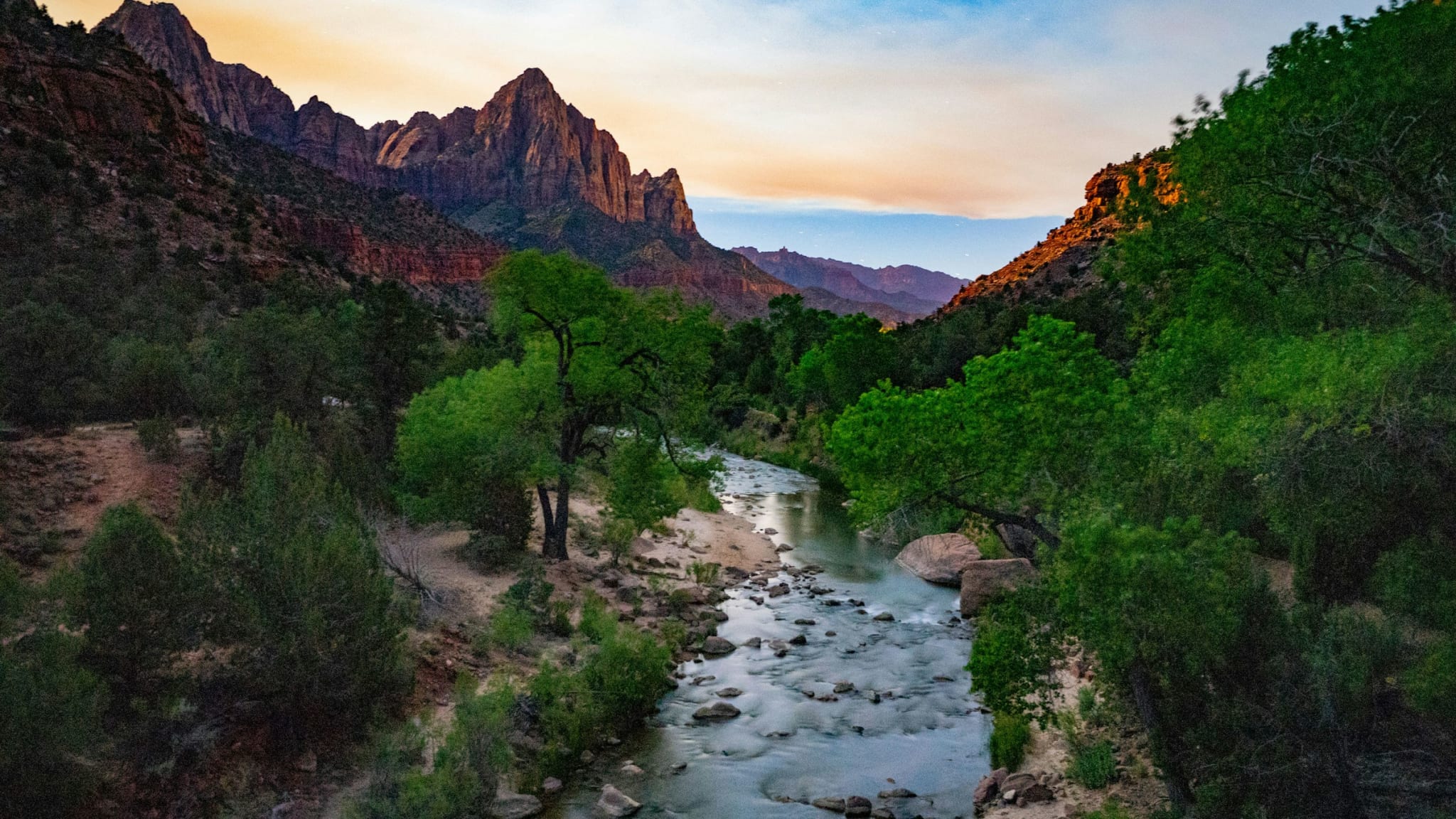
You wade upstream between sheer walls that almost meet overhead. The light is orange where it hits the rock, and the water is cold around your knees. This is The Narrows in Zion, and just one of many reasons to drive through Utah.
Southern Utah has five national parks, often called The Mighty Five: Zion, Bryce Canyon, Capitol Reef, Arches and Canyonlands. They lie within a day's drive of one another, and together with the Grand Canyon and Monument Valley they make one of the world's great road trips.
The links to the hotels and experiences are partner links. If you book through them, Picolo may earn a small commission at no extra cost to you.
How to do it
Start in Las Vegas, around three hours' drive from Zion. Finish in Moab by Arches, or carry on to Monument Valley.
Drive Scenic Byway 12 between Bryce and Capitol Reef. It is one of the most beautiful roads in America.
Allow at least a week for all five parks. Three to four days is enough for Zion and Bryce.
Check entry rules and permits. Angels Landing in Zion needs a permit, and Arches used timed entry in peak season until 2025, but not in 2026.
Zion: The Narrows and Angels Landing
In Zion, free shuttle buses run through the main canyon for much of the year and private cars stay outside. Walk the Riverside Walk to the start of The Narrows and keep going upstream as far as you like. Hire water shoes and a walking pole in Springdale.
Angels Landing is the famous ridge hike with chains and drops on both sides. It requires a permit allocated in advance. Without one, Canyon Overlook and the Emerald Pools give big views for less effort.

The road through Zion
The Zion-Mount Carmel Highway runs through tunnels in the rock. Photo: Matthias Mullie / Unsplash
Bryce Canyon and Capitol Reef
Bryce Canyon looks like an amphitheatre full of orange stone spires called hoodoos. Be at Sunrise Point or Bryce Point as the sun comes up, then walk down among the spires on the Navajo Loop and Queen's Garden. The park sits high, so evenings are cold even in summer.
Capitol Reef is the least visited of the five. You will find pioneer orchards, petroglyphs and narrow canyons, and a calm that is hard to come by in Zion.
Arches and Canyonlands near Moab
Around Moab lie Arches, with more than two thousand stone arches, and Canyonlands, with vast viewpoints over the Colorado and Green rivers. Hike to Delicate Arch in the late afternoon, and watch the sunset from Grand View Point or nearby Dead Horse Point.
Book experiences: See tours and activities in Zion and Springdale
Book experiences: See tours and activities around Moab
Where to stay for Utah's national parks
Springdale by Zion, Bryce Canyon City and Moab are the best bases. Move hotels as you go to avoid long return drives.

Cable Mountain Lodge
The pool looks straight out at Zion's cliffs. Photo: Hotels.com (Expedia Group)
Cable Mountain Lodge: at the gates of Zion
Cable Mountain Lodge is a few steps from the Zion Canyon Visitor Center, where the park shuttles start. Park the car and forget it, and in the evening watch the cliffs turn red from the pool.
Book your stay: See rooms at Cable Mountain Lodge
Desert Pearl Inn: by the river in Springdale
Desert Pearl Inn sits by the Virgin River in Springdale, with an outdoor pool and spacious rooms. A good choice for several nights in Zion.
Book your stay: See rooms at Desert Pearl Inn
Best Western Plus Bryce Canyon Grand Hotel: close to sunrise
This hotel in Bryce Canyon City is a few minutes from the park entrance, so you can catch sunrise at the rim without getting up in the middle of the night. Breakfast is included.
Book your stay: See rooms at Best Western Plus Bryce Canyon Grand Hotel

Hoodoo Moab
A pool and spa after a day in Arches. Photo: Hotels.com (Expedia Group)
Hoodoo Moab: a spa and pool by Arches
Hoodoo Moab is in the centre of Moab, a short drive from the Arches entrance. With a spa and outdoor pool, it is a good place to recover after hot days in the desert.
Book your stay: See rooms at Hoodoo Moab, Curio Collection by Hilton
When is the best time to visit Utah?
Spring and autumn are best, with pleasant temperatures for hiking. In summer it gets very hot in Zion, Arches and Canyonlands, while Bryce is cooler. Winter can bring snow, which means red rock dusted white and few visitors, but some roads and trails may close.
When should you book?
Springdale and Moab: several months ahead for spring and autumn.
Angels Landing permit: apply early.
Guided Narrows hikes and jeep tours around Moab: a few weeks ahead.
Frequently asked questions about Utah's national parks
Where should I stay for Zion and Bryce?
Stay in Springdale for Zion, for example at Cable Mountain Lodge or Desert Pearl Inn, and in Bryce Canyon City for Bryce. Moab is the best base for Arches and Canyonlands.
How many days do you need for Utah's national parks?
Allow at least a week for all five. Three to four days covers Zion and Bryce, and two days covers Arches and Canyonlands.
Do you need a permit for Angels Landing?
Yes. To hike the final section of Angels Landing you need a permit allocated in advance. The rest of Zion does not require a separate permit for day hikes.
How far is Zion from Las Vegas?
It is around three hours by car from Las Vegas to Springdale and Zion. Bryce is a couple of hours further north-east.
When is the best time to hike The Narrows?
Late summer and early autumn often bring the lowest and warmest water. In spring, snowmelt can make the river too high, and the hike closes when there is a flood risk.