
Long-haul
Japan itinerary by train: two weeks from Tokyo to Hiroshima
The shinkansen glides into the platform to the second, and two hours later you are in Kyoto. A two-week Japan itinerary by train, with rail tips and hotels right by the stations.
The train glides into the platform to the second. The conductor bows before entering the carriage, the seats turn to face the direction of travel, and two hours later you are in Kyoto. Japan is one of the easiest countries in the world to travel by train, and two weeks gives you big city, temples, mountains and history.
Here is the itinerary we would follow, with rail tips and hotels placed so you never have to drag your suitcase far.
The links to the hotels and experiences are partner links. If you book through them, Picolo may earn a small commission at no extra cost to you.
The itinerary: two weeks in Japan
Days 1-4, Tokyo: the Shibuya crossing, Asakusa and Senso-ji, Meiji Shrine, Tsukiji market and neighbourhoods such as Shimokitazawa and Yanaka.
Days 5-6, Hakone or Fuji: onsen, a boat on Lake Ashi and views of Mount Fuji.
Days 7-10, Kyoto: temples, Gion, Arashiyama and a day trip to Nara.
Days 11-12, Osaka: street food in Dotonbori, Osaka Castle and nightlife.
Days 13-14, Hiroshima and Miyajima: the Peace Park and museum, and the floating torii on Miyajima.
Fly into Tokyo and home from Osaka (Kansai) so you do not have to backtrack.
Book the experience: See tours and things to do in Tokyo
How to travel by train in Japan
Shinkansen: the bullet train between the big cities. Tokyo to Kyoto takes about two hours and fifteen minutes, Kyoto to Hiroshima under two hours.
JR Pass: a rail pass for foreign visitors. It pays off most if you travel far and often. Do the maths first, as single tickets can be cheaper on a shorter route.
IC cards: a top-up card for metro, buses and local trains, also available on your phone.
Luggage forwarding: send your suitcase between hotels by courier and travel light. Reception will help.
It pays to stay near the stations, so you can walk from the hotel to the train without a taxi.
The hotels along the route
These either have city views or sit right by the station, keeping travel days simple.
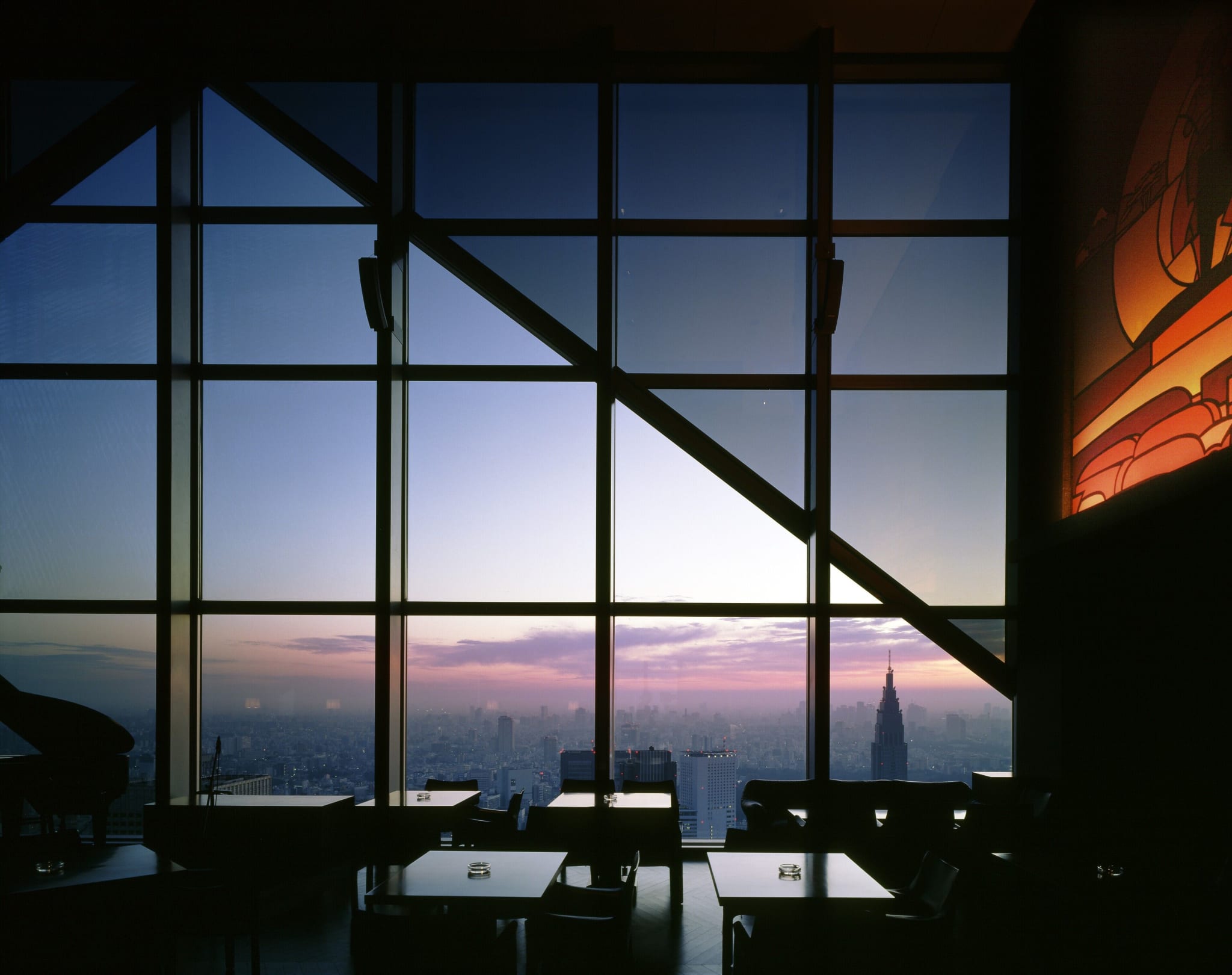
Tokyo: Park Hyatt Tokyo
Park Hyatt occupies the top floors of a tower in Shinjuku, with views over the whole city and Mount Fuji on clear days. Meiji Shrine and Shinjuku Gyoen are nearby.
It is a classic Tokyo hotel, famous from the film Lost in Translation, and a fine place to begin.
Book your stay: See rooms at Park Hyatt Tokyo

Kyoto Station
Hotel Vischio sits right by Kyoto Station.
Kyoto: Hotel Vischio Kyoto by Granvia
The hotel is right by Kyoto Station and Kyoto Tower, so you walk straight from the shinkansen to your room. Buses and the subway to the temples leave from the station square.
Guests rave about the breakfast, and it is a practical choice for three or four nights of day trips.
Book your stay: See rooms at Hotel Vischio Kyoto

Osaka Station
The Osaka Station Hotel sits in a tower at Osaka Station.
Osaka: The Osaka Station Hotel
The hotel is in a new tower at Osaka Station in Umeda, with direct access to the trains. Dotonbori and the airport train to Kansai are a short ride away.
The rooms are modern with city views, and it is a good last stop before flying home.
Book your stay: See rooms at The Osaka Station Hotel

Hiroshima
Sheraton Grand Hiroshima sits by Hiroshima Station.
Hiroshima: Sheraton Grand Hiroshima
The hotel is at Hiroshima Station, and the tram to the Peace Park stops right outside. To reach Miyajima, take a local train and ferry, and the whole journey takes under an hour.
Guests praise the location, and there is an indoor pool.
Book your stay: See rooms at Sheraton Grand Hiroshima
When is the best time to tour Japan?
Spring from late March to May and autumn from October to November are the most pleasant times, with cherry blossom and autumn colours. Summer is hot and humid, with a rainy season in June and July. Winter is cold but clear and cheaper, and great for Fuji and the Alps. Read also about skiing in the Japanese Alps.
When should you book?
Cherry blossom and autumn colours: book hotels six months ahead.
Golden Week: around the turn of April and May the Japanese travel themselves, avoid if you can.
Seat reservations: reserve shinkansen seats in peak season, especially with large luggage.
Japan itinerary FAQ
How long should a Japan itinerary be?
Two weeks gives time for Tokyo, Hakone or Fuji, Kyoto, Osaka and Hiroshima without rushing. With ten days, drop Hiroshima or Osaka.
Is the JR Pass worth it?
It depends on your route. The JR Pass pays off most if you travel far and often. For a simple Tokyo, Kyoto and Osaka trip, single tickets may be cheaper, so do the maths before you buy.
How long is the train from Tokyo to Kyoto?
The shinkansen takes about two hours and fifteen minutes from Tokyo to Kyoto, with several departures an hour.
How do you send luggage in Japan?
Many hotels will help you send your suitcase by courier to your next hotel, often arriving the next day. You can then travel light with a small bag on the train.
Where should I stay on a Japan itinerary?
Stay near the stations, for example at Hotel Vischio in Kyoto, The Osaka Station Hotel and Sheraton Grand Hiroshima. In Tokyo, Park Hyatt in Shinjuku gives you the views and a classic start.