Seville, the city that lives in the shade
In March and April the lanes of Santa Cruz smell of orange blossom. They are so narrow that the houses shade each other, and by early evening the small squares fill with tables. Nobody eats dinner before nine.
Seville is the capital of Andalusia and sits on the Guadalquivir river, an hour and a half inland from the Atlantic. It is flat, compact and easy to walk, but in high summer the heat decides your day. For the rest of the country, see our Spain travel guide.
Neighbourhoods to know
Santa Cruz and the cathedral
The old Jewish quarter, with whitewashed lanes right next to the Alcázar. Busiest by day, much quieter after dinner.
El Arenal
Between the cathedral and the river, around the Maestranza bullring. Old tapas bars and an easy walk to everything.
Triana
Across the river, with ceramics workshops, the Triana market and flamenco bars. It has a more local feel than the centre.
Alameda de Hércules
A long, tree-lined square north of the centre, where locals go out for drinks.
Three days in Seville
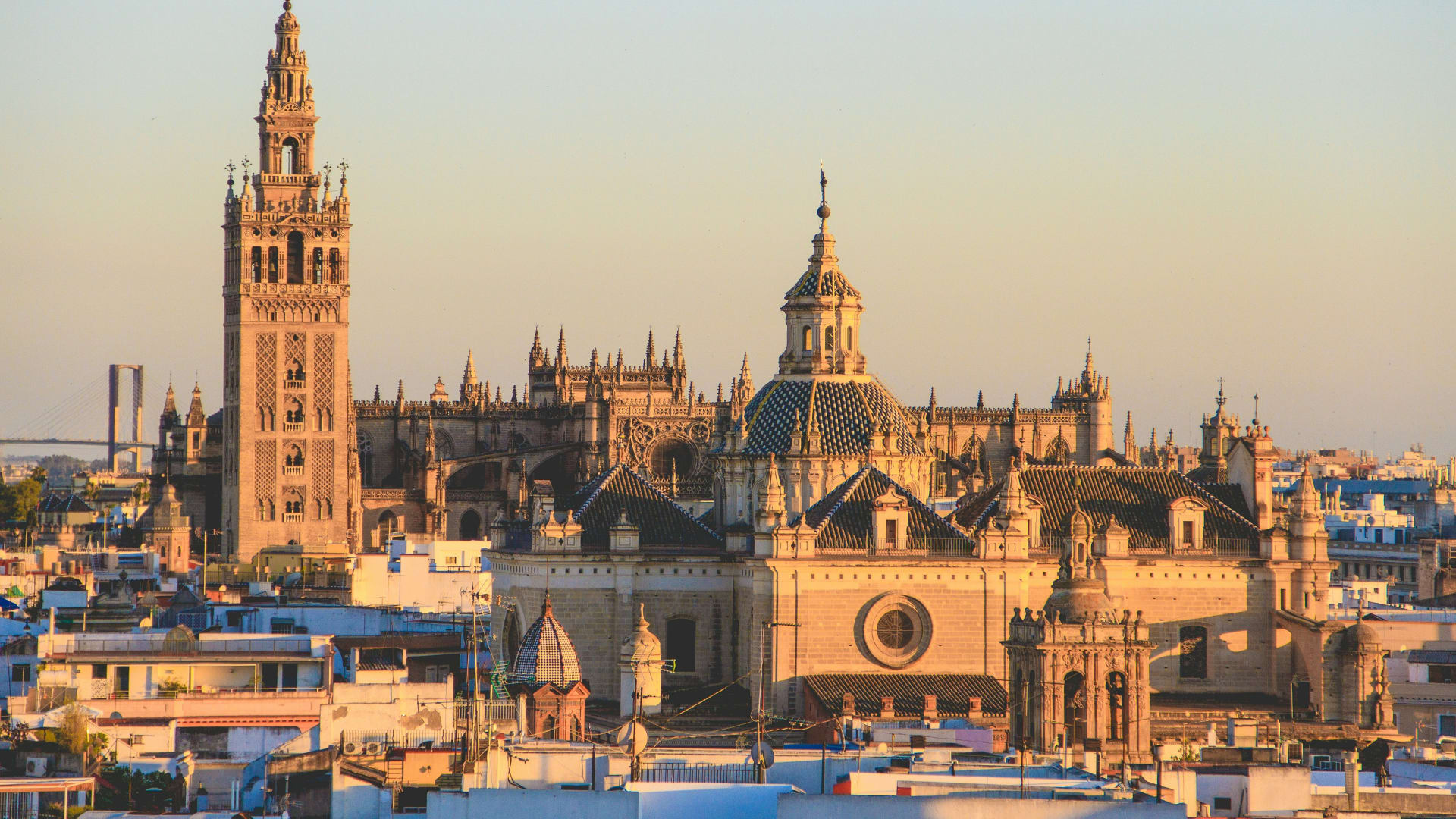
Day 1: the Real Alcázar in the morning, then the cathedral and the Giralda, which you climb by ramps instead of stairs. Evening in Santa Cruz.
Day 2: Plaza de España and María Luisa Park, then across the bridge to Triana for the market and dinner.
Day 3: the Metropol Parasol, the wooden canopy locals call Las Setas, and the Alameda in the evening. Or take the high-speed train to Córdoba and its Mezquita, around 45 minutes away.
Food and drink
Seville eats standing up, a few small plates at a time, before moving on to the next bar. Try espinacas con garbanzos, spinach stewed with chickpeas, and salmorejo, a thick cold tomato soup, on a hot day. Drink a chilled fino or manzanilla, the dry sherries from the towns to the south.
Where to stay
Santa Cruz and the streets around the cathedral put the main sights on your doorstep. Triana is calmer, El Arenal sits in between. Our hotels in Seville and Málaga has the full list.
Good to know
Book Alcázar tickets online before you go. The queue for walk-up tickets can be long in spring.
July and August are often above 40 degrees. See the sights early, rest at midday and go out again after dark.
Hotels fill up and prices rise sharply for Semana Santa, Holy Week, and the Feria de Abril, the spring fair that follows two weeks later.
The airport bus runs to the centre and takes around half an hour.
Frequently asked questions about Seville
How many days do you need in Seville?
Two full days covers the Alcázar, the cathedral and Plaza de España. Three gives you time for Triana or a day in Córdoba.
When is the best time to visit Seville?
March to May and October to November, when it is warm enough to sit outside in the evening. Avoid July and August if you do not cope well with heat.
Do you need to book the Real Alcázar in advance?
Yes, especially in spring and at weekends. Timed tickets sell out, and booking online saves you a long wait.
How do you get from Seville to Granada?
The train takes around two and a half hours and the bus around three. See our Granada travel guide.
Is Seville or Málaga better for a first trip to Andalusia?
Seville has the palaces, flamenco and the bigger old town. Málaga has a beach in the city and more direct flights from the UK, so many people fly into Málaga and take the train.
More travel inspiration in Seville
Best time to visit Mallorca: weather month by month
The best time to visit Mallorca is late May, June or September, when the sea is warm and the island is calmer than in high summer. Here is what each season offers.
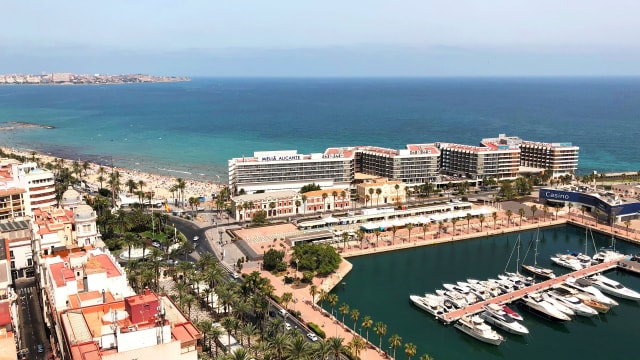
Best time to visit Alicante: weather month by month
In January you can have lunch under the palms of the Explanada in 17 degrees and sunshine. Alicante is the driest place on the mainland in our comparison of Spanish holiday spots, with 37.5 rain days a year. Here are the official AEMET averages month by month.
Best time to visit Malaga: weather month by month
On a February afternoon you can sit in the sun on the Muelle Uno harbour promenade, but once the sun goes down the temperature drops towards 8 degrees. Málaga has mild winters and hot, dry summers. Here are the official AEMET averages month by month, and when the city works best for the beach, a city break and walking.
Spain weather: temperature month by month
In January you can have lunch outdoors in Málaga, but you will want a jacket once the sun goes down. Spain has more than one climate: Seville bakes in summer, Alicante and Málaga are the warmest places on the mainland in winter, and the Canary Islands are warmest of all from November to March. Here are the official AEMET averages, place by place and month by month.
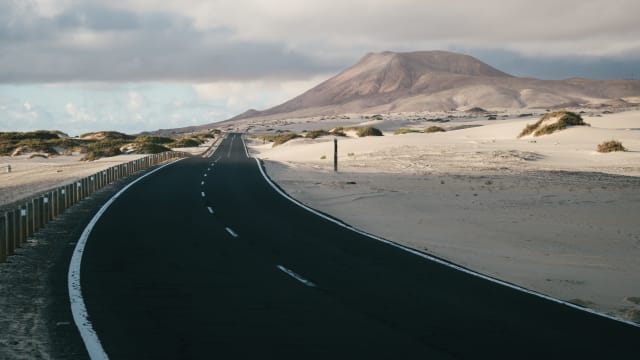
Best time to visit Fuerteventura: weather month by month
Fuerteventura is dry and sunny all year, with long beaches and a steady wind that draws surfers and kitesurfers. December is the wettest month and August the warmest. Here is the year month by month, with the official averages from the Spanish weather agency.
Best time to visit Gran Canaria: weather month by month
Gran Canaria is often called the island of eternal spring, and the figures back it up: average highs stay between 21 and 28°C all year. December is the wettest month and August the warmest. Here is the year month by month, with the official averages from the Spanish weather agency.
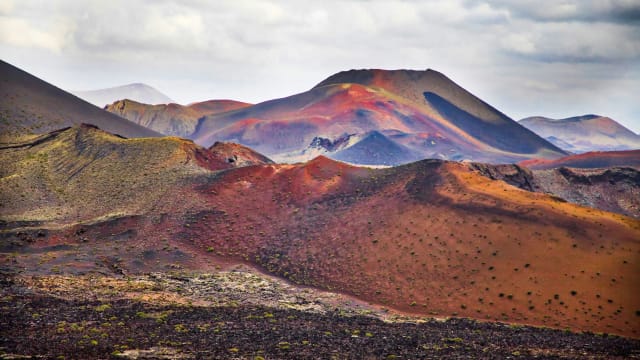
Best time to visit Lanzarote: weather month by month
Lanzarote is dry, sunny and mild all year, with a breeze that keeps the heat in check. December is the wettest month and August the warmest. Here is the year month by month, with the official averages from the Spanish weather agency.