In short
Pitigliano is known for its Jewish heritage, with a 16th-century synagogue, and for the Vie Cave, Etruscan roads cut deep into the tuff. Taste the white Bianco di Pitigliano, aged in cellars inside the cliff. Stay in the old town for the evening atmosphere, and use a car for Sovana and Sorano.
Our first choice: La Casa degli Archi, in the heart of the old town. Check availability and prices
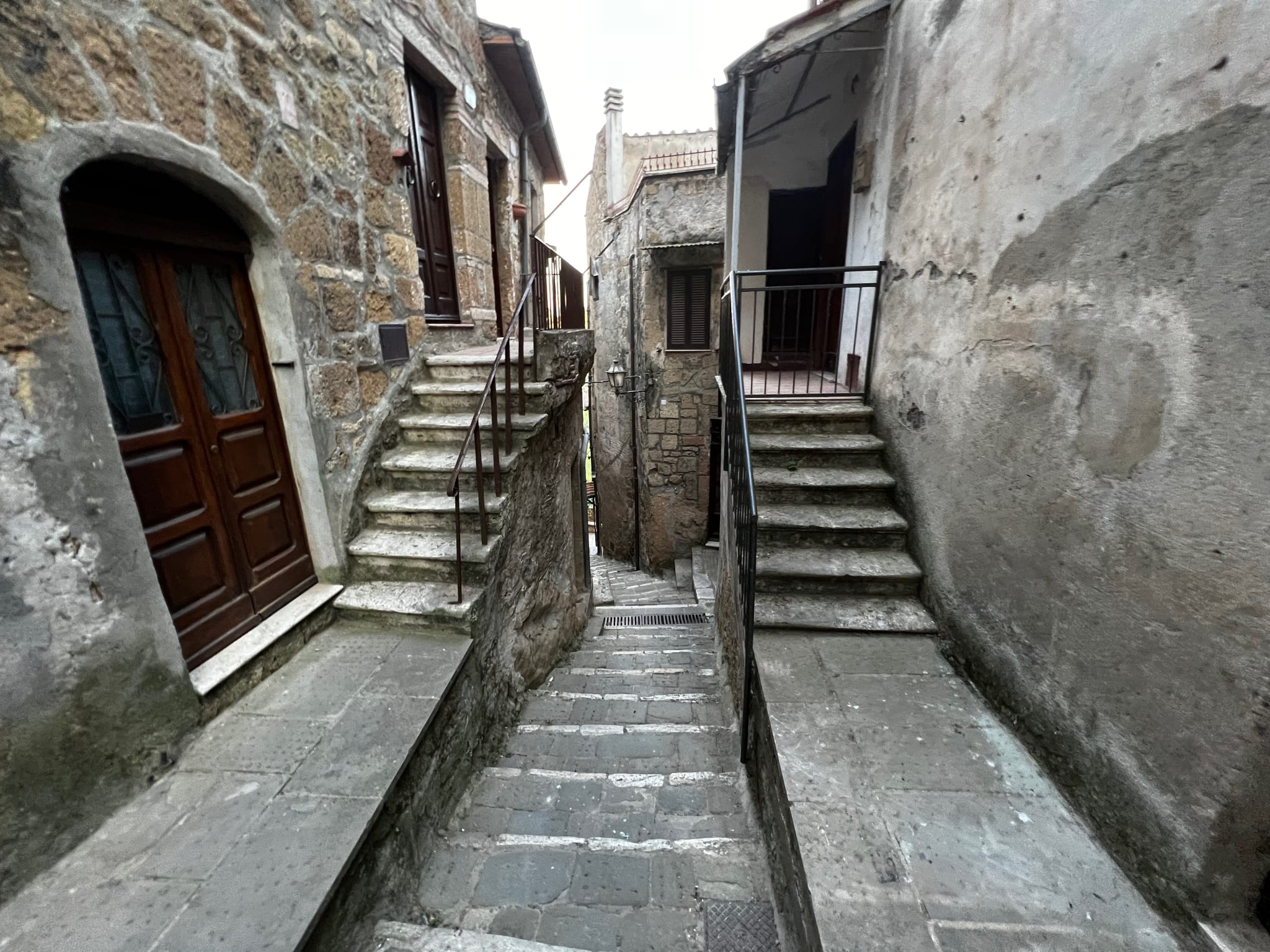
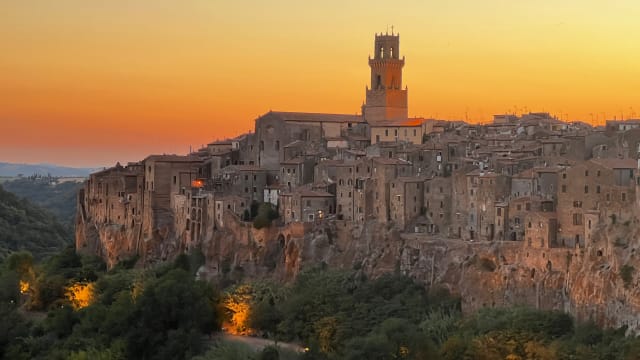
You first see it from the road from Manciano. Suddenly the landscape opens up, and there, on top of a sheer cliff of golden volcanic rock, sits Pitigliano. The stone is called tuff, and it is so soft you could scratch it with a key. That is why people have been able to carve cellars, passages and entire houses straight into the cliff. The houses stand so close to the edge that it is impossible to tell where the rock ends and the town begins. It is one of the most striking sights in all of Tuscany, and it only gets better as you come closer.
Pitigliano is more than a pretty postcard. The town has a history that sets it apart from every other small Italian town, and a landscape around it full of traces of a people who lived here long before the Romans. Here is how to experience it.
Little Jerusalem: the Jewish heritage
From the 1500s, Jews persecuted elsewhere in Italy found refuge in Pitigliano, and the community grew so large and important that the town earned the nickname Little Jerusalem. The synagogue from the late 1500s has been restored and can be visited, together with the small museum in the old Jewish quarter.
Below ground lie the ritual bath, the kosher butchery, the wine cellar and the oven where unleavened bread was baked, all carved into the tuff. It is a rare chance to see how a Jewish community lived in a small Italian town over the centuries.
Taste the sfratto
Do not miss sfratto, a long pastry filled with honey and walnuts that comes from Pitigliano’s Jewish tradition. You will find it in the bakeries of the old town.
Vie Cave: the roads cut into the rock
Long before the Romans, this land belonged to the Etruscans, one of the oldest peoples in Italy. They cut narrow roads straight down into the soft stone, so deep that you walk along the bottom of a gorge. In places the walls rise over ten metres, covered in moss and ferns. Italians call them Vie Cave, the hollowed-out roads. No one knows for certain what they were used for, which only makes walking them more magical. Several start just outside town and can be explored on foot.