

The old core
Innere Stadt
St Stephen's, the Graben, the Hofburg and the riding school on barely three square kilometres.
Neubau is Vienna's 7th Bezirk, or district, and lies just outside the Ringstrasse, behind Maria-Theresien-Platz. Viennese people live here, and the streets are less formal than in Innere Stadt. Its neighbour Mariahilf, the 6th district, belongs with it, because the two share Mariahilfer Strasse.
For the rest of the city, see the Vienna travel guide.
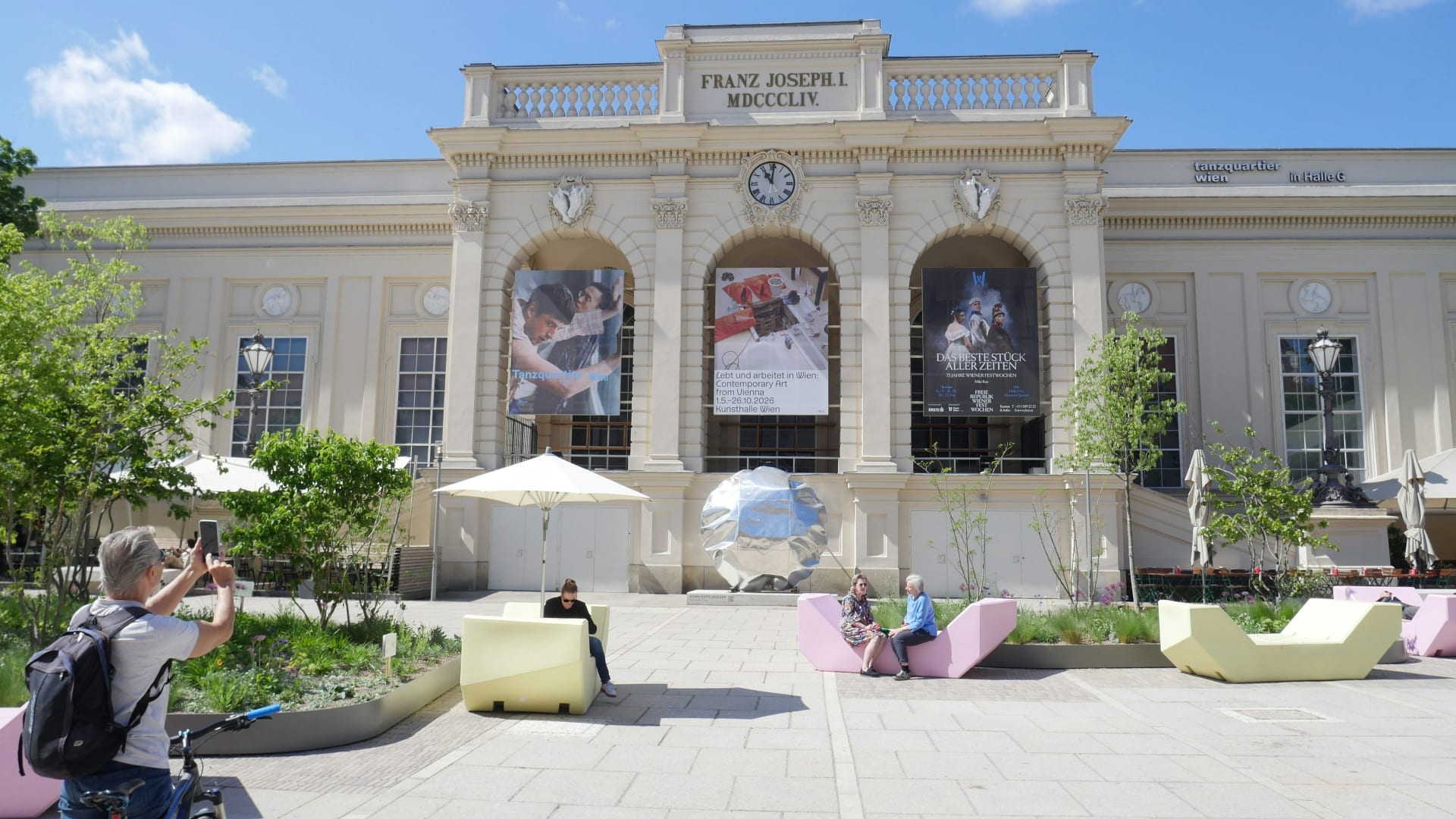
The MuseumsQuartier opened in 2001, in two stages, and covers about nine hectares in the former imperial stables. It holds the Leopold Museum, often described as home to the world's largest Egon Schiele collection, and mumok for modern art. The Kunsthalle Wien, the Zoom children's museum and the Tanzquartier are here too.
Spittelberg lies behind the MuseumsQuartier, with Biedermeier houses along narrow streets such as Stiftgasse and Schrankgasse. The area long belonged to the Bürgerspital, the city hospital, and the city took it over in 1795. As late as the 20th century it was a well-known red-light district. Today the houses hold restaurants and galleries, and a Christmas market is held here every year.

Neubaugasse was rebuilt from 2020 as a shared-space zone, where cars, bikes and pedestrians share the street. It runs between Mariahilfer Strasse and Burggasse, with small shops, vintage stores and bookshops. The Volkstheater opened in 1889 and was designed by Fellner and Helmer.

Mariahilfer Strasse links the Innere Stadt with the Westbahnhof, and is often called the country's biggest shopping street. About 430 metres is pedestrianised, and the rest is shared-space zones. Between Mariahilf and Wieden lies the Naschmarkt, where the fixed stalls, now more than 120, were built from 1910 in a uniform style linked to Otto Wagner. Every Saturday a flea market runs along the Linke Wienzeile.

Day 1: the MuseumsQuartier in the morning, Spittelberg and dinner there.
Day 2: Neubaugasse and its shops, then Mariahilfer Strasse and coffee.
Day 3: the Saturday flea market at the Naschmarkt, then on to the Ringstrasse.
Neubau suits you if you have seen the big sights and want a neighbourhood to stay in. The hotels here sit in Spittelberg and Mariahilf.

Every floor at Hotel Altstadt Vienna is furnished differently, with paintings and photographs the owner has collected, and the salon with its fireplace is open to guests. The house stands on Kirchengasse in Spittelberg, in an old apartment building. Rooms range from small to studio-sized, so read the description before you choose. It suits you less if you want predictable rooms and a conventional lobby.


The circus is the theme at 25hours Hotel beim MuseumsQuartier, with big blocks of colour and stage lighting, and at the top is a roof bar with St Stephen's spire on the horizon. The hotel is on Lerchenfelder Strasse just behind the museum area, and several rooms sleep four. It works for families and trips with friends, but it fills up at weekends and is not for those who want silence.
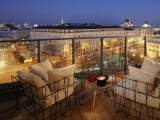

Brass, mirrors and wallpapers that change from floor to floor give Hotel Motto the feel of a Parisian hotel. It sits on a side street off Mariahilfer Strasse, with a glass-walled restaurant and bar on the roof. Rooms are smaller than at the grand hotels on the Ring, but the price sits a good way below. You stay about a quarter of an hour from the core, which counts if the Opera and the coffee houses are the whole point.


The Naschmarkt lies across the road from Hotel Beethoven Wien on Papagenogasse, wall to wall with the Theater an der Wien. The family-run house has floors furnished to different themes and wine evenings in the salon several times a week, and the breakfast gets a lot of praise. The Opera is a short walk away, but if you need a spa and a round-the-clock bar, this is the wrong house. The street is lively on Saturdays when the flea market runs.

More suggestions are among the hotels in Vienna.
The U-Bahn stops at Museumsquartier (U2), Volkstheater (U2 and U3) and Neubaugasse (U3). From Stephansplatz it is three stops on the U3 to Neubaugasse. From the airport, trains run to Wien Mitte, and from there you take the U3.
Mariahilfer Strasse is busy and full of chain stores. The small shops are in the side streets.
Spittelberg has many restaurants, and evenings can be lively.
Neubau has few of the city's big sights. They are in Innere Stadt and along the Ring, and you travel there.
Area guides
Three districts, each with its own rhythm.
The old core
St Stephen's, the Graben, the Hofburg and the riding school on barely three square kilometres.
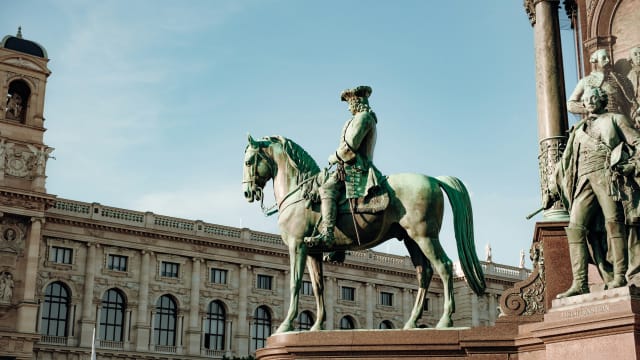
The Opera, the Rathaus and the Karlskirche along the boulevard that replaced the city walls.
Neubau is Vienna's 7th district and lies just outside Innere Stadt, behind the MuseumsQuartier. It borders Mariahilf to the south and Josefstadt to the north.
Spittelberg is a small quarter of Biedermeier houses in Neubau, with narrow streets, restaurants and galleries. It was once known for prostitution, and it has a Christmas market every year.
The courtyard is open and free to sit in. The museums inside, such as the Leopold Museum and mumok, charge admission and have their own opening hours. Check their websites before you come.
Mariahilfer Strasse is a long shopping street linking the Innere Stadt with the Westbahnhof. About 430 metres is pedestrianised, and the rest is shared-space zones where cars, bikes and pedestrians share the street.
Yes, if you want a neighbourhood feel, cafés and museums and do not need to stay in the core. You take the U3 or walk to Innere Stadt. Check the distance to the U-Bahn before you book.