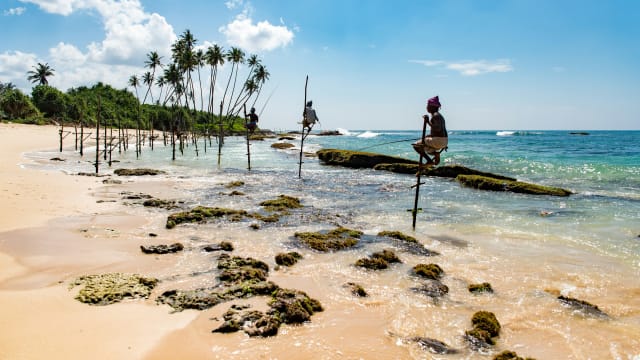
Surfing in Bali
Surfing in Bali by season, coast and surf level
Warm water, reef waves on one side of the island and sandy beach breaks on the other. The trick is knowing which coast the wind favours in the month you can travel.
The tide is dropping, and on the Bukit Peninsula that changes everything. A line of surfers picks its way across the exposed reef in rubber booties, boards held high, towards a channel where the water turns from turquoise to deep blue.
Behind them, warungs cling to the limestone cliff, and the smell of clove cigarettes drifts down with the first scooters. Out beyond the reef, a set wraps in and peels left for longer than seems reasonable.
Surfing in Bali has a reputation for perfect waves, and it has earned it. What the postcards leave out is that the island has two surf coasts that take turns, that most of the famous waves break over sharp coral, and that the beginner beaches are somewhere else entirely.
Get the season and the coast right and Bali is one of the best surf trips in the world. Get them wrong and you will spend a week watching from a cafe.

In short
Dry season, roughly April to October: the south-east trade wind blows offshore on the west side, so the Bukit reefs and the beaches from Kuta to Canggu are at their best.
Wet season, roughly November to March: the wind swings round, and the east-facing reefs such as Keramas and those off Nusa Dua take over.
Beginners: sandy beach breaks around Kuta and Canggu, with plenty of schools.
Experienced surfers: the reef lefts of the Bukit, Uluwatu above all, in the dry season.
Water: warm all year, about 27 to 29 °C. A rash vest and reef booties matter more than a wetsuit.
Two coasts that take turns
Bali sits in the path of swells from the southern Indian Ocean, so there is surf of some size most of the year. What decides where it is good is the wind. In the dry season, the trade wind blows from the south-east and grooms the west-facing breaks.
In the wet season, the monsoon wind comes from the west and the east coast is the sheltered, clean side. Surf schools and forecasters disagree slightly on the exact months, so treat April and November as transition months when either side can work.
The dry season is also the busy season. July and August bring the most consistent swell and the biggest crowds in the water. The wet season has more rain, usually in short heavy bursts, and far fewer surfers. Early mornings are calmer in both seasons, before the wind picks up.

Where to surf, by level
Learning: Kuta and Canggu
Kuta Beach, close to the airport, is where many people stand up for the first time. It is a long beach break with lifeguards, and it is busy with schools for good reason. North of Seminyak, Canggu has a string of beaches, Batu Bolong and Echo Beach among them, with breaks for several levels and a cafe scene to match. Lessons run all year, but the dry season gives the cleanest conditions on this side.
Improving: the west coast beyond Canggu
Once you can ride unbroken waves, a car or a driver opens up the coast to the north-west. Medewi, a few hours from the south, is a long left-hand point that suits intermediate surfers on the right day. It is quieter than the south and a good reason to spend a night away from the crowds.
Experienced: the Bukit Peninsula
The limestone peninsula south of the airport is where Bali's famous waves break: Uluwatu, Padang Padang, Bingin and their neighbours. They are mostly lefts over shallow coral, fast and powerful, and many are reached by walking across reef at low tide. They are not for beginners, and the line-ups at the best-known waves are crowded and competitive. If you are not confident, watch a session from the cliff before you paddle out.
Wet season: the east coast
From roughly November, the east side wakes up. Keramas, north of Sanur, is a fast right-hander over reef and rock, and it is for experienced surfers only. The reefs off Nusa Dua and Sanur also come into their own. Beginners in the wet season usually stay on the west side and surf early, before the onshore wind.

What to pack and what to watch
Reef booties and a rash vest: coral cuts infect easily in the tropics, so clean every scrape the same day.
Tide timing: many reef breaks work only on part of the tide, and some are dangerously shallow at low water.
Board bags and scooters: you will see boards strapped to scooters everywhere. If you rent one, check your travel insurance covers it.
Respect in the line-up: locals and regulars take priority at the crowded reefs. Wait your turn.
Surf camp in Bali or a hotel
A surf camp in Bali bundles a bed, lessons, boards and transport to the beach, and Canggu has dozens. It suits solo travellers who want company and a fixed plan. The drawbacks are shared rooms and being tied to one school's choice of beach.
Picolo does not sell surf camps. The alternative we like is to choose the hotel by area, then book lessons or a surf guide locally.
Stay in Canggu if you are learning, on the Bukit if you are chasing reef waves in the dry season, and remember that traffic between the two can take longer than the map suggests. A hotel with a pool also gives non-surfers in your group a proper holiday, and a place to be on the days the swell disappears.

Where to stay for surfing
These are hotels we would book near the waves. COMO Uma Canggu works with an outside surf outfitter for lessons, and Alila Villas Uluwatu sits on the Bukit cliffs above the reef breaks. For a beach-break base with more polish, Seminyak sits between Kuta and Canggu.
Hotels for surfing in Bali
COMO Uma Canggu
Oceanfront near Echo Beach and Batu Bolong. The hotel partners with Tropicsurf for lessons for beginners and improvers.
CangguLessonsAlila Villas Uluwatu
Clifftop villas on the Bukit Peninsula, close to the reef breaks experienced surfers come for.
UluwatuReef breaksThe Legian Seminyak
An all-suite beachfront hotel in Seminyak, between the learner beaches of Kuta and Canggu.
SeminyakBeachfront
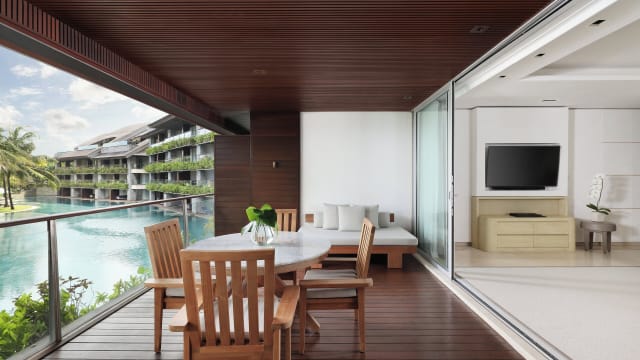

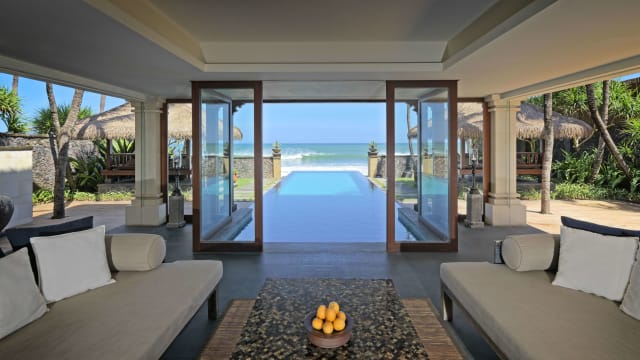
Our pick in Bali
Alila Villas Uluwatu for a dry-season reef trip
If you surf well enough for the Bukit, this is where we would sleep. The villas sit on the clifftop above the Indian Ocean, a short drive from the reefs at Uluwatu and its neighbours, and Alila itself names the southern swells as one reason to stay. Go between May and September, when the trade wind blows offshore here. The honest caveat: this is not a place to learn. The nearby waves break over shallow coral, and beginners will spend most of their time in a car to Kuta.


Beyond the waves
Most surfers end up spending a day or two inland. Our guide to things to do in Bali covers temples, rice terraces and Ubud, and the best beaches in Bali helps if half your group just wants to swim. Travelling as a couple after the wedding? Our Bali honeymoon guide is written for that. For more hotels across the island, see the best hotels in Bali.
Frequently asked questions
When is the best time for surfing in Bali?
For the famous west-side reefs, May to September, when the trade wind blows offshore and swell is most consistent. From about November to March the east coast is the better side.
Is Bali good for beginner surfers?
Yes, if you stay on the sandy beach breaks around Kuta and Canggu and take lessons. Most of the well-known waves on the Bukit break over shallow reef and are for experienced surfers.
Do I need a wetsuit to surf in Bali?
No. The water is around 27 to 29 °C all year, so most people surf in board shorts or a swimsuit with a rash vest. Reef booties are worth packing.
Where should I stay in Bali for surfing?
Canggu if you are learning or improving, the Bukit Peninsula around Uluwatu if you surf reef breaks in the dry season. Seminyak is a comfortable middle ground with beach breaks nearby.
Is a surf camp in Bali worth it?
It suits solo travellers who want lessons, transport and company in one booking. Couples and families often get more from a hotel plus lessons booked with a local school.
Sources
Season and wind patterns, water temperature and wave types from Bali surf guides and forecasters (Rapture Camps, Lush Palm, Surf Indonesia, Indosurf), which differ slightly on exact months. Hotel details from COMO Hotels, Hyatt (Alila) and Picolo's hotel register. Conditions change daily, so check a forecast and ask a local school before you paddle out. Last checked: 12 November 2026.