Travel guide · Europe
Galway travel guide: the Latin Quarter, the Claddagh and Galway Bay
Fiddles drifting out of pub doors on Quay Street, oysters by the plate and a salty wind off the bay. Galway is small, loud in the best way and the natural base for Ireland's west coast.
Galway, where the music starts early
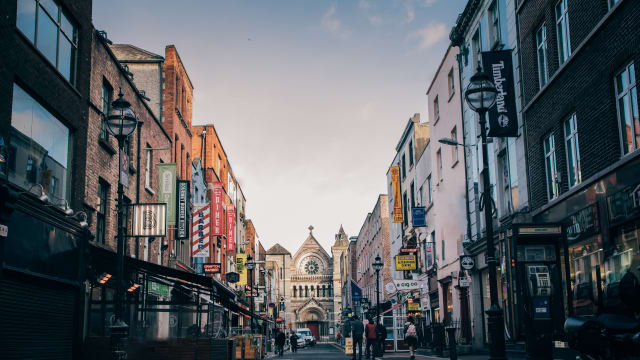
Late afternoon on Quay Street. A busker is tuning up outside a pub, a group of students squeezes past with chips, and through an open door you hear a fiddle and a bodhrán, the Irish frame drum, already going. Nobody has booked anything. In Galway, the evening tends to find you.
Galway sits where the River Corrib runs into Galway Bay, on the west coast of Ireland. It is a university city of around 80,000 people, compact enough to cross on foot in twenty minutes, and the gateway to Connemara and the Aran Islands. For the rest of the country, see our Ireland travel guide.
Neighbourhoods to know
The Latin Quarter
The pedestrian streets from Shop Street down to Quay Street, with pubs, cafés, bookshops and street performers. Busy from late morning until long after midnight.
The Spanish Arch and the river
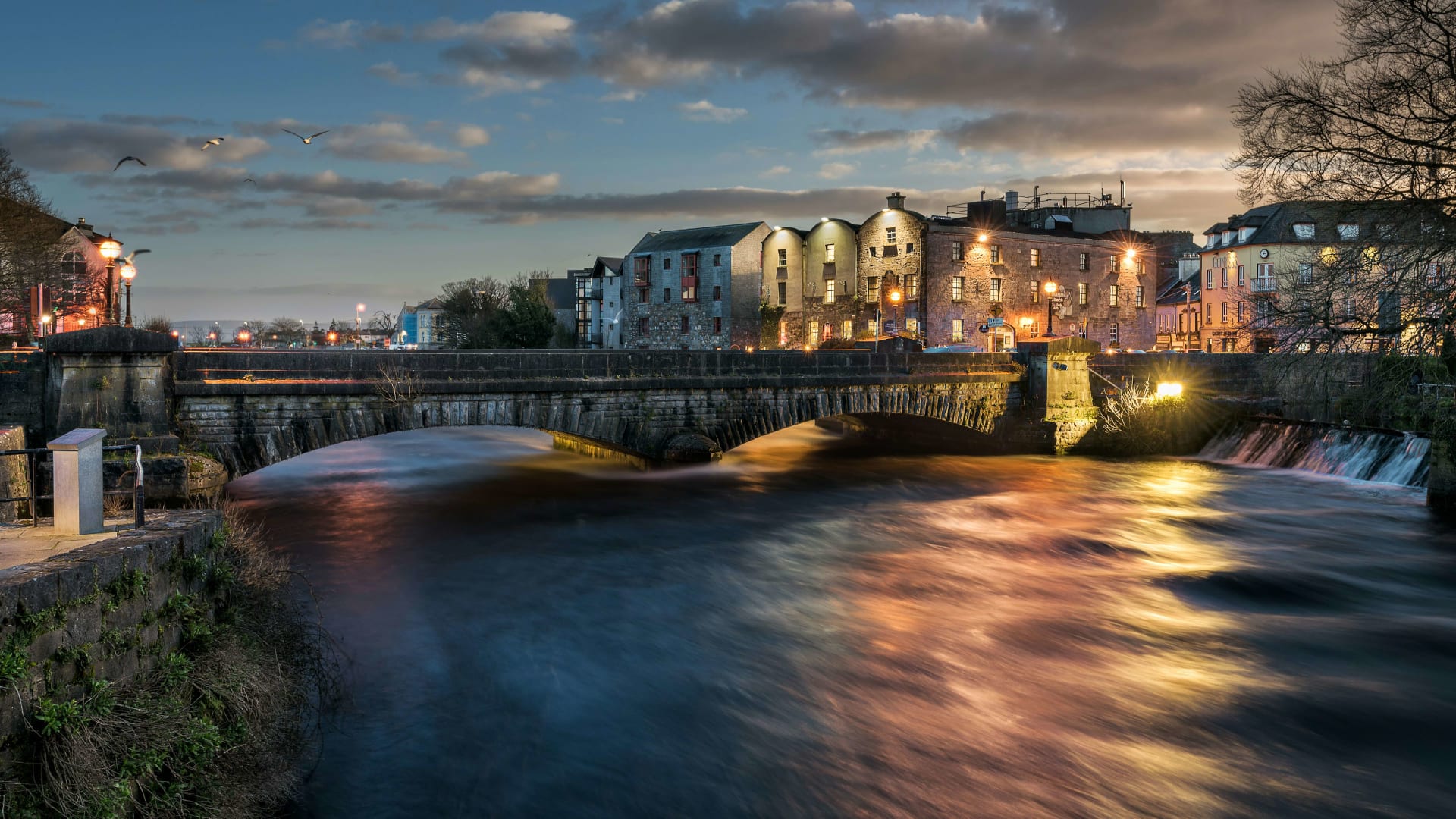
The old arch by the river is a remnant of the medieval city walls. On a dry day, people sit along the water here with a drink, and the colourful houses of the Long Walk line the opposite bank.
The Claddagh
Across the river, the old fishing village that gave its name to the Claddagh ring, with two hands holding a crowned heart. Today it is a quiet residential area with swans on the water.
Salthill
A seaside suburb with a long promenade along the bay. Locals walk it to the end and kick the wall for luck before turning back.

Two or three days in Galway
Day 1: Eyre Square, the Latin Quarter and the Spanish Arch, then the promenade at Salthill for sunset. Trad music in the pubs in the evening.
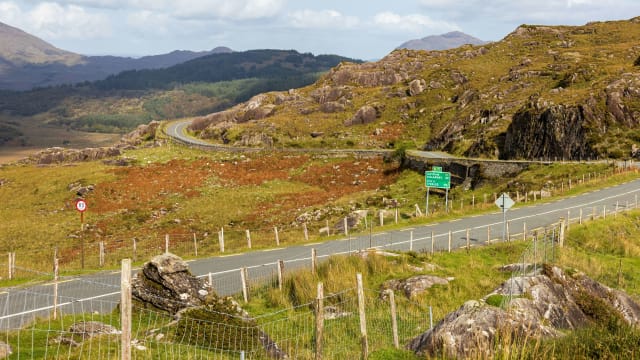
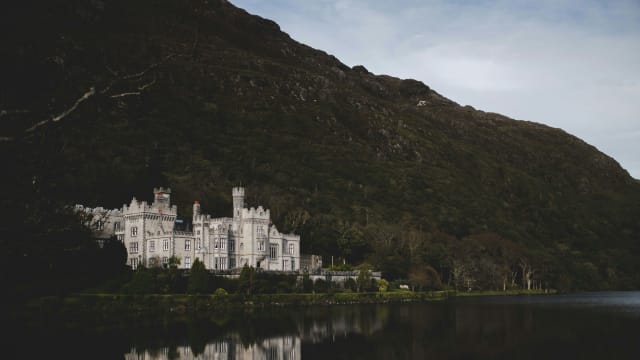
Day 2: a day trip into Connemara, with Kylemore Abbey and the mountain roads.
Day 3: south to the Cliffs of Moher and the Burren, or a ferry to Inis Mór, the largest of the Aran Islands.
Food and drink
Galway Bay oysters are the thing to order, with brown bread and a pint of stout. The city also has a good spread of small modern restaurants and a weekend market by St Nicholas' Church, which is the place for a late breakfast.
Festivals
Galway was European Capital of Culture in 2020, and it takes its festivals seriously. The Galway International Arts Festival fills the streets in July, the Galway Races follow at the end of July and early August, and September brings the oyster festival. Book accommodation well ahead for all three.
Getting there
Trains run from Dublin Heuston to Galway in around two and a half hours, and express buses run from Dublin and Dublin Airport. Shannon Airport is the nearest international airport. To explore the coast you will want a car, but the city itself is best on foot.
Good to know
It rains often, and rarely for long. Pack a waterproof jacket whatever the month.
The Latin Quarter is noisy on Friday and Saturday nights. If you sleep lightly, choose a room on a side street or away from the centre.
The best music sessions are often in the smaller pubs, and they start late.
Frequently asked questions about Galway
How many days do you need in Galway?
Two days covers the city and its pubs. Add a day or two for Connemara, the Cliffs of Moher or the Aran Islands.
Is Galway worth visiting?
Yes, especially if you like live music and a lively, young atmosphere. It is also the most practical base for the west coast.
Can you visit the Cliffs of Moher from Galway?
Yes. The drive takes around an hour and a half each way, and many tours combine the cliffs with the Burren.
When is the best time to visit Galway?
May to September for long days and festivals. July is the busiest month, while spring and early autumn are calmer.
Do you need a car in Galway?
Not in the city, which is easy to walk. For Connemara and the coast, a car gives you far more freedom than tours.
More travel inspiration in Galway
New Year's Eve in Dublin 2026, the hotels near the Castle countdown
Dublin's New Year's Festival runs from 30 December 2026 to 1 January 2027, with the Countdown Concert at Dublin Castle on New Year's Eve. These are the hotels a few minutes' walk from it, with guest ratings and when to book.
Where to stay in Dublin: the best areas and hotels
Georgian squares, the pubs of Temple Bar and St Stephen’s Green. Dublin is a city you walk, and it pays to stay centrally. Here are the areas and the hotels we recommend.