
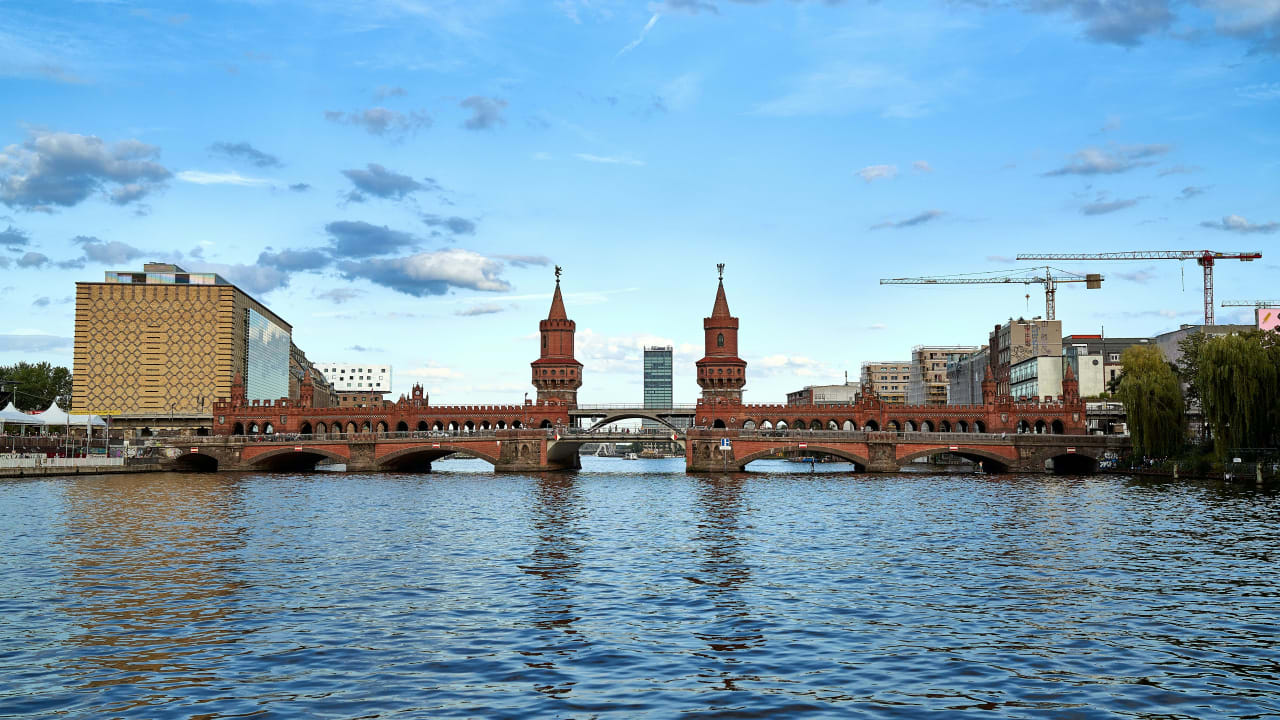
Kreuzberg
The canal, a market hall from 1891 and the museum designed by Daniel Libeskind.
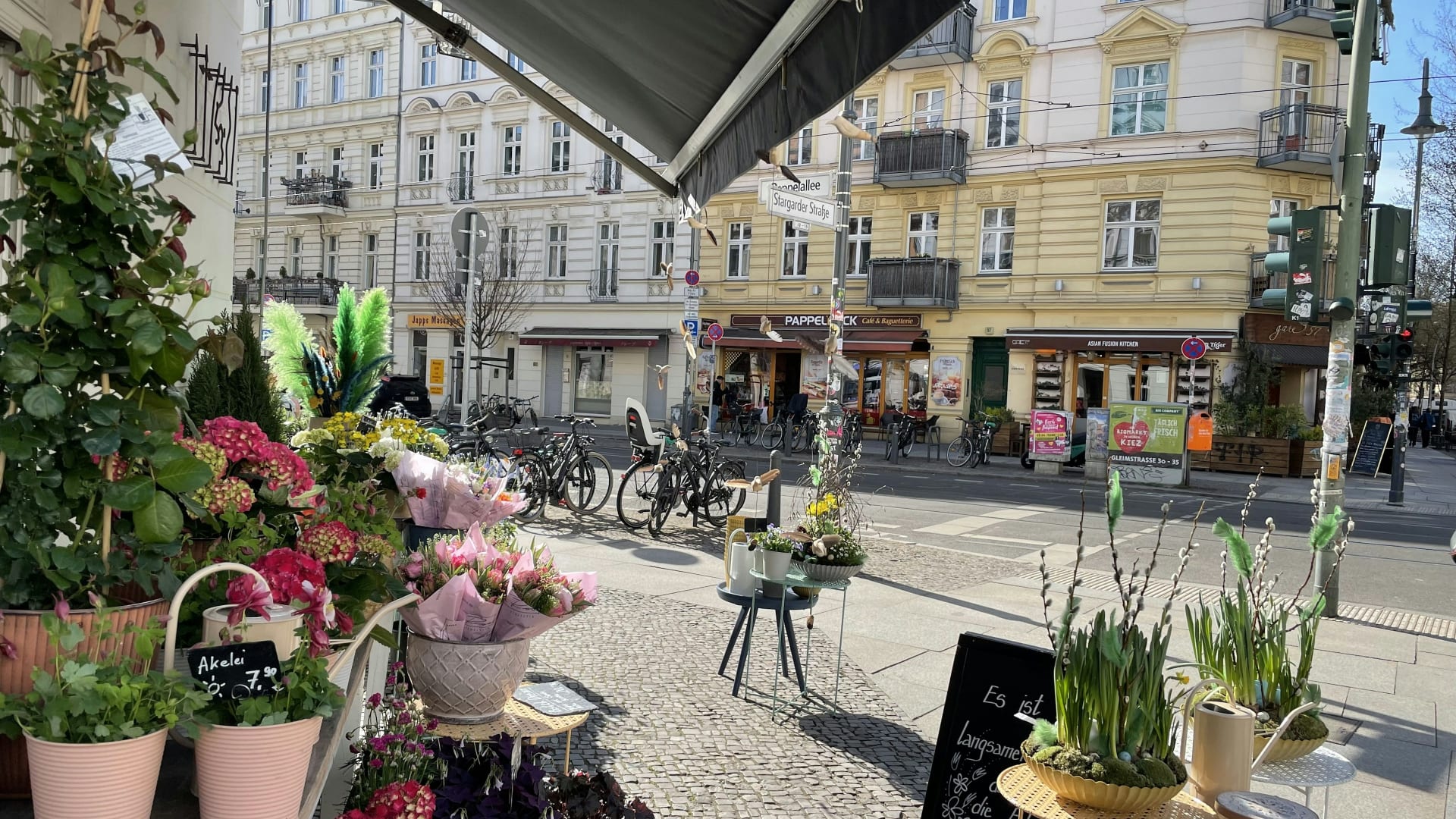
Prenzlauer Berg means roughly "Prenzlau Hill", and for a long time the area was known as Windmill Hill. The district lies north of Mitte.
It was part of East Berlin, and the Wall ran along its western edge. Since 1990 the tenements have been restored, and today the streets belong to cafés, bakeries and prams. For the rest of the city, see our Berlin travel guide.
The square is named after the artist Käthe Kollwitz and is liveliest on market days. The water tower from 1877 stands close by and is often described as Berlin's first. The cafés in the surrounding streets are made for a long breakfast.
The old Schultheiss brewery was extended from 1887 to designs by Franz Heinrich Schwechten, with a medieval castle as the model. Today the red brick buildings hold an eight-screen cinema, theatres and concert venues.
Built between 1891 and 1893, the church was a meeting place for the East German opposition and played a part in the peaceful revolution of 1989. It makes a good stop if you want to understand how the Wall fell.
The synagogue dates from 1904 and is often described as the largest in Berlin. It is still in use as a synagogue, so check whether and when visits are possible.
Mauerpark lies on the old border strip and holds a flea market on Sundays. Oderberger Strasse has cafés and small shops, and a municipal bathhouse that is a protected monument. The flea market has a line in our things to do in Berlin.

Day 1: Kollwitzplatz, the water tower and dinner in the streets around them.
Day 2: the Kulturbrauerei and Gethsemane Church, then a long evening on Oderberger Strasse.
Day 3: Mauerpark on Sunday, then on foot or by tram to Mitte.
Hotel Oderberger occupies a former public bathhouse on Oderberger Strasse, and the pool is still in use. It is a small hotel, and that is the point. You stay in a neighbourhood and walk to the café on the corner. If you plan museum days, Mitte is closer. More options are in our Berlin hotel guide.
The U2 line stops at Eberswalder Strasse, Senefelderplatz and Schönhauser Allee. Kollwitzplatz has no station of its own, so expect a short walk or a tram. From Alexanderplatz the U2 takes you there in a few minutes.
After 1990 many tenements were sold to private investors. Rents rose, and many longtime residents moved away.
The nightlife is calmer than in Kreuzberg. For dancing until daylight, take the U-Bahn to Kreuzberg.
The Mauerpark flea market is liveliest in summer, and it gets crowded.
Shops are closed on Sundays, but the cafés stay open.
Area guides
See what the other districts are like.
The canal, a market hall from 1891 and the museum designed by Daniel Libeskind.
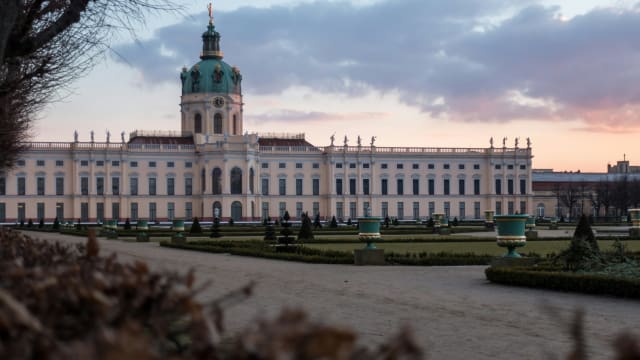
The palace from 1695, the church ruin on Breitscheidplatz and Kurfürstendamm.
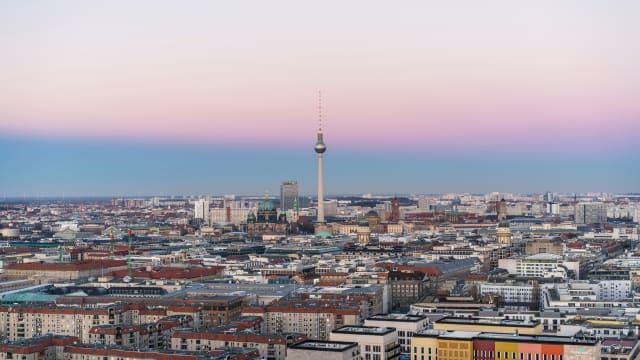
Museum Island, Gendarmenmarkt and the Hackesche Höfe sit close enough to walk between.
Prenzlauer Berg is known for restored tenements, cafés, Kollwitzplatz and Mauerpark. It was part of East Berlin and has changed a great deal since 1990. Many families with young children live here today.
Yes, if you want quiet streets, cafés and a neighbourhood feel. There are few hotels, and most major sights are in Mitte, around 10 to 15 minutes away on the U2.
Fat Hermann, in German Dicker Hermann, is the nickname of the water tower by Kollwitzplatz. It was finished in 1877 and is often described as the first water tower in Berlin.
The Kulturbrauerei is an old brewery that became an arts centre. The brewery was called Schultheiss, and Franz Heinrich Schwechten designed the extension from 1887. Today they hold a cinema, theatres and concert venues.
The Mauerpark flea market is held on Sundays. It is liveliest in summer, so arrive early if you want room around you. Check current opening times before you go.