In short
Oxford Street, Regent Street and Bond Street are the main streets, Covent Garden and Seven Dials have smaller shops, and Knightsbridge has Harrods. The markets at Portobello Road, Brick Lane and Borough offer vintage and food. The UK no longer offers tax-free shopping for tourists, so the shelf price is what you pay.
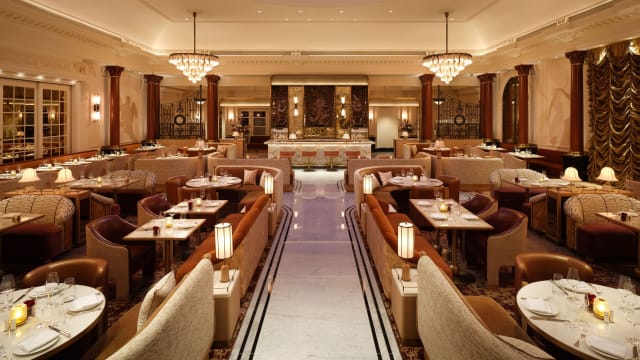
Our first choice: The Langham, a stone’s throw from Regent Street and Oxford Street. Check availability and prices
It is Saturday morning on Regent Street. The curved white façades glow in the pale sun, red buses roll past, and inside Liberty the old timber floors creak under your feet. London is one of the best cities in the world for shopping, not because anything is cheap, but because it has everything: department stores with long histories, tailors on Savile Row, vintage shops on Brick Lane and markets selling everything from antique teacups to fresh oysters.
The secret to shopping in London is choosing the right area. The city is huge, and anyone who tries to tick off Oxford Street, Knightsbridge and Camden in one day will spend more time on the Tube than in the shops. We have split this guide by neighbourhood, and for each one we have picked hotels close enough to walk back with your bags and head out again for dinner.
How to choose the right shopping area in London
High street brands and department stores: Oxford Street and Regent Street.
Luxury and designer labels: Bond Street, Mayfair and Knightsbridge.
Independent shops and concept stores: Covent Garden, Seven Dials, Marylebone and Coal Drops Yard at King’s Cross.
Vintage and markets: Brick Lane, Spitalfields, Columbia Road and Portobello Road.
Food to take home: Borough Market and the food hall at Fortnum & Mason.