The fjord regions, one by one
The Sognefjord and the Nærøyfjord
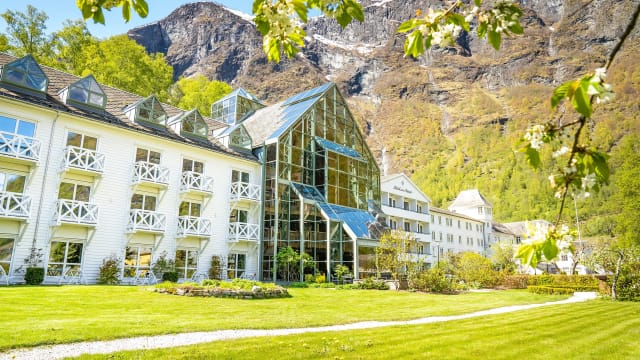
The Sognefjord is Norway’s longest and deepest fjord, stretching more than 200 kilometres inland. Its narrow arm, the Nærøyfjord, is a UNESCO World Heritage Site, with mountainsides plunging straight into the water. Flåm, Aurland and Balestrand are good bases.
The Hardangerfjord
Hardanger is known for orchards that blossom in spring, mighty waterfalls such as Vøringsfossen and the Folgefonna glacier. Here you will find some of Norway’s most traditional fjord hotels, and the starting point for Trolltunga.
The Geirangerfjord and the Hjørundfjord
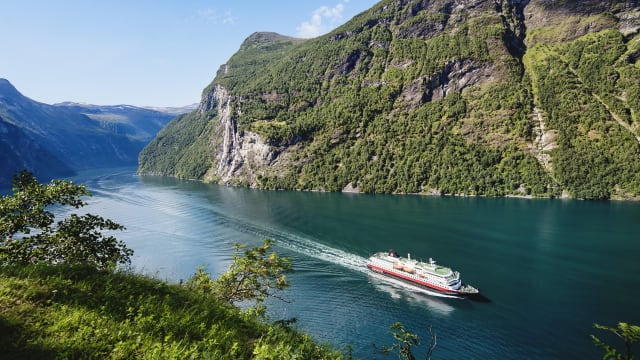
The Geirangerfjord is also a UNESCO World Heritage Site, famous for the Seven Sisters waterfall and the view from Dalsnibba. Nearby lies the Hjørundfjord, surrounded by the wild Sunnmøre Alps.
The Lysefjord
Near Stavanger lies the Lysefjord, with Preikestolen and Kjeragbolten high above the water.
Bergen: the gateway to the fjords
Bergen is the natural starting point for a fjord trip. Fjord boats, trains and buses leave from here into fjord country, and many stay in the city before or after. See our best hotels in Bergen.
The fjord round trip from Bergen
The most popular way to see the fjords from Bergen is the fjord round trip to Flåm, by train, bus and boat through the Nærøyfjord and up from Flåm on the Flåm Railway. Read our complete guide to Bergen to Flåm on your own.
Fjord cruises: how to see the fjords from the water
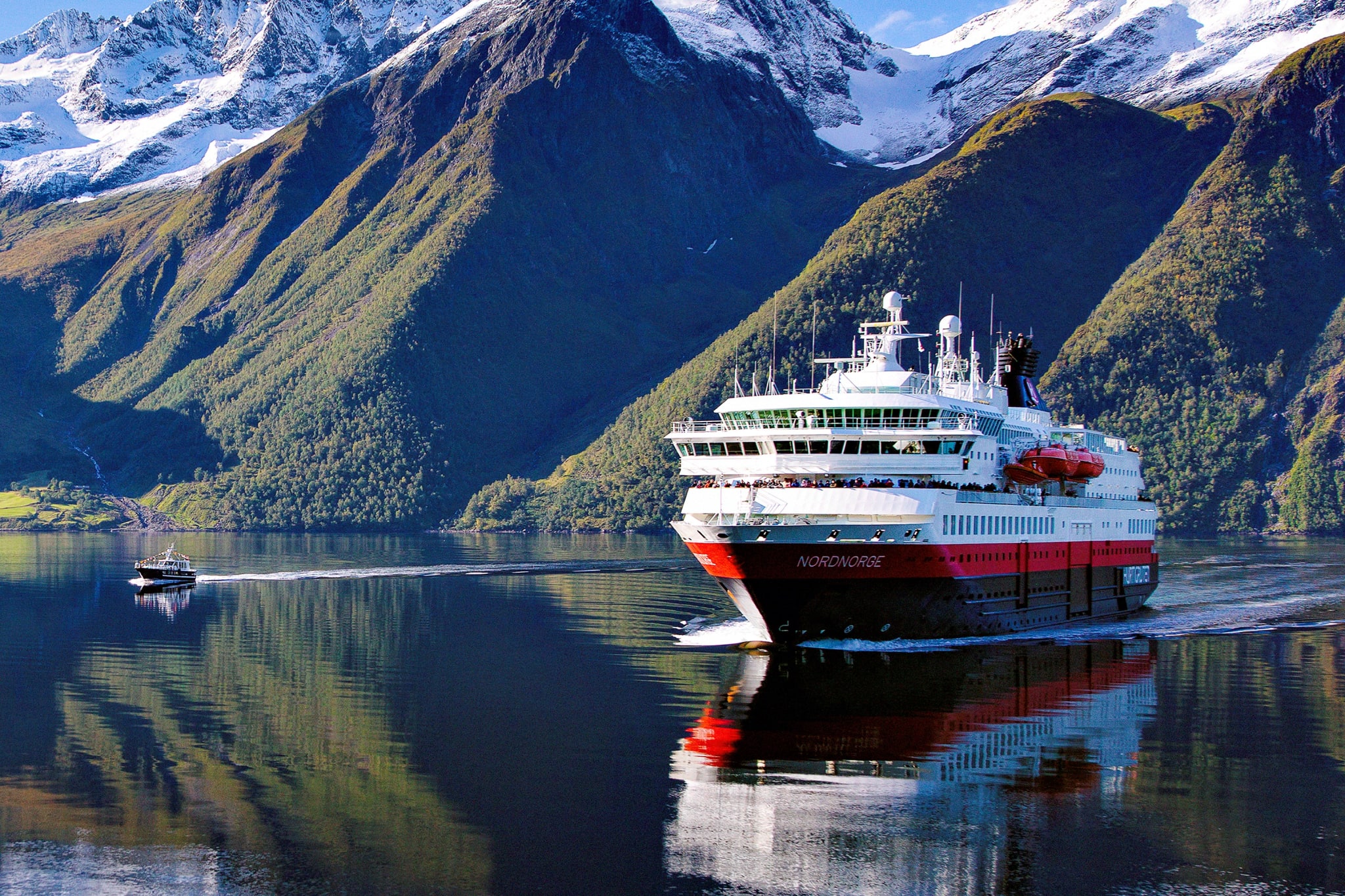
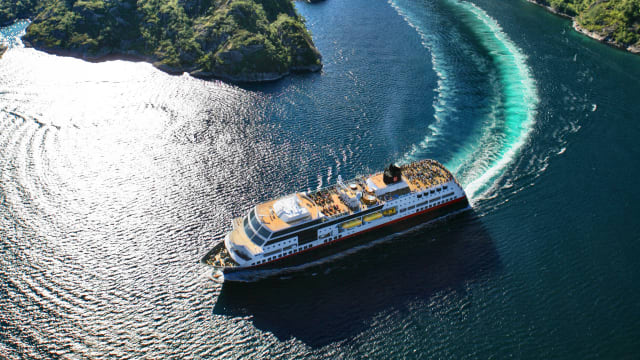
The easiest option is a fjord cruise from Bergen, where the day trip through the Osterfjord to Mostraumen takes about three hours. Longer trips go to the Sognefjord and Flåm. From Flåm, quiet electric boats sail through the Nærøyfjord to Gudvangen. For several days at sea, Hurtigruten is a classic choice.
Read more about Hurtigruten along the coast.