Travel tips
First time in Egypt: what to know before you go
The pyramids are bigger than you expect and the Nile is calmer. Most of what makes a first trip easy can be sorted before you leave home.
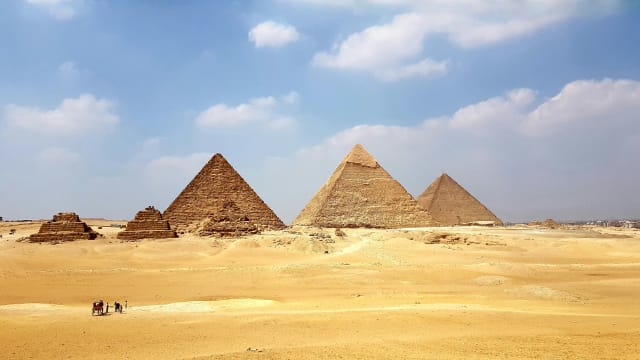
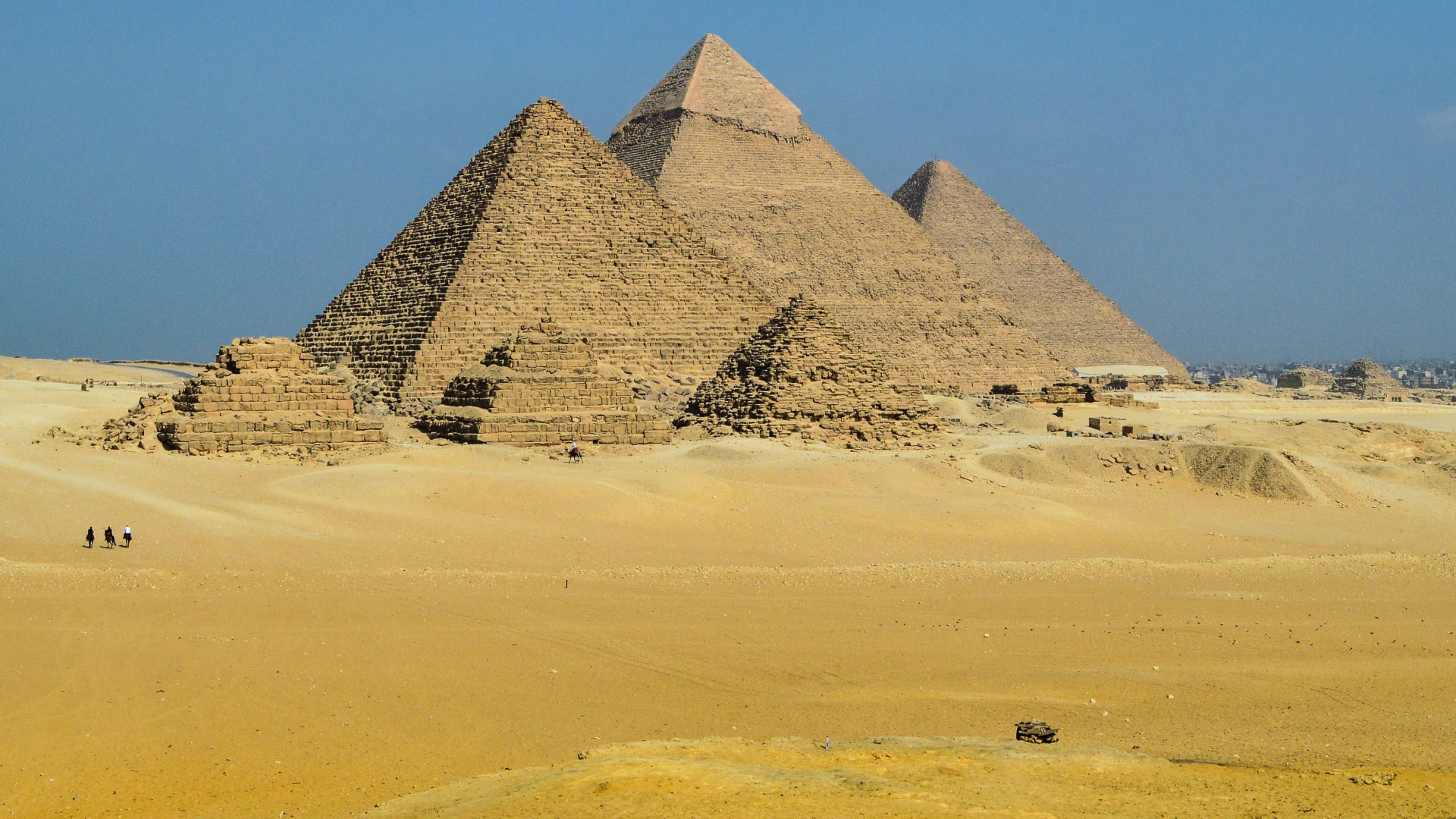
The taxi leaves the ring road, turns a corner between two apartment blocks, and there it is: the Great Pyramid, filling the windscreen. Behind you someone leans on a horn, a man at the window offers a camel ride, and your sun cream is already losing the argument.
Egypt is a country where the famous sights outdo their reputation, and where the logistics around them can wear you down if you arrive unprepared. A little groundwork means you keep the wonder and lose most of the hassle.
The short answer
Egypt suits a first trip if you want to see the ancient world up close, ideally with some sun on the side. Start with Cairo and Luxor for the pyramids and temples, or base yourself on the Red Sea and make a day trip to Luxor. Check visa rules before you travel, carry small notes for tips and dress modestly away from the resorts.
At a glance
- Start in
- Cairo and Luxor, or the Red Sea
- Best time
- October to April
- Currency
- Egyptian pound, small notes for tips
- Dress
- Covered up outside the resorts
- First trip
- 5 to 10 days
Last checked:
Where should you start?
Cairo is the capital: a vast, loud city with the Giza pyramids on its western edge and the Grand Egyptian Museum close by. Traffic is relentless, so two or three nights is plenty for most first visits.
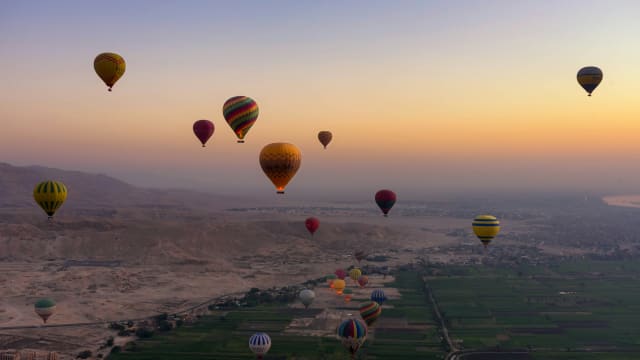
Luxor sits on the Nile in the south and packs in more of ancient Egypt than anywhere else. Karnak and Luxor Temple are on the east bank, while the Valley of the Kings, the royal burial ground, lies across the river on the west bank. It is calmer than Cairo, and many Nile cruises begin or end here.
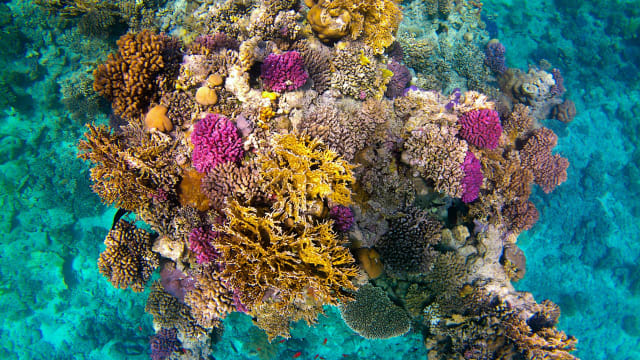
Hurghada and Sharm el-Sheikh are the Red Sea resorts, with coral reefs just offshore and winter sun flights from the UK. The pace is slow and dress codes relaxed. The catch: Sharm is a long way from the temples, whereas Luxor is a long but popular day trip from Hurghada.
Read more: Luxor, Hurghada, Sharm el-Sheikh

Where to stay
In Cairo, staying close to what you came to see saves hours. The pyramids and the new museum are in Giza, west of the centre, and the drive across town can crawl at rush hour. Sleep in Giza and you can reach the plateau before the heat and the crowds build.
In Luxor, most hotels line the Corniche, the riverside promenade on the east bank. The west bank is quieter and closer to the tombs, with fewer places to eat. On the Red Sea it is large resorts with beaches and pools, many of them all inclusive.
Read more: Best hotels in Hurghada

Marriott Mena House
The hotel sits at the foot of the Giza plateau, and from its rooms and garden you look straight at the pyramids. The garden is full of palms, with the Great Pyramid rising just behind.
A good choice if you want the pyramids outside your window and no cross-city drive at dawn. If old Cairo and the bazaars are your priority, it is a long way from the centre.

Steigenberger Nile Palace
The hotel is on the east bank of the Nile, five minutes by car from Luxor Temple. It has two outdoor pools ringed by palms, a spa and several restaurants, and the pool area looks out over the river.
A comfortable base between temple visits, with somewhere to cool off in the heat of the day. For a modern beach holiday, look to the Red Sea instead.
Money and baksheesh
The currency is the Egyptian pound. Cards are accepted in hotels, larger restaurants and resort shops, but for taxis, tips and small purchases you need cash. Cash machines are easy to find in cities and at airports.
Baksheesh, a tip or small payment for a service, is woven into daily life. The porter with your bags, the guard who unlocks a tomb, the man minding shoes outside a mosque: all will expect something. Keep a stack of small notes in an easy pocket so you are not opening your wallet every few minutes.
In bazaars such as Khan el-Khalili in Cairo, the first price is where the conversation starts. Be friendly, be firm, and do not ask the price of things you have no intention of buying. Many guides and drivers earn commission from the shops they steer you to, so say up front if you would rather not stop.
What to wear and local customs
Egypt is a largely Muslim country, and people in the cities dress more conservatively than at home. Cover shoulders and knees in Cairo and Luxor, and bring a scarf if you plan to visit a mosque. In the Red Sea resorts, swimwear by the pool and on the beach is entirely normal.
Ask before photographing people. Some sites and tombs have their own photography rules, and a few charge extra for a camera. Reading the signs first saves an awkward exchange with the guards.
During Ramadan, the month of fasting, many people do not eat or drink between sunrise and sunset, and the days move more slowly. Sights and hotels stay open, but be considerate and eat discreetly in public. Ramadan shifts forward by a few weeks each year, so check the dates.

Is Egypt safe?
The main tourist areas, including Cairo, Luxor, Aswan and the Red Sea resorts, welcome very large numbers of visitors each year, and most trips pass without trouble. What you will notice most are persistent sellers, camel handlers and people offering help in return for a tip. A polite no, repeated, usually does it.
Official advice varies by region, and some border areas are advised against. Read the FCDO travel advice when you book and again before you fly. Drink bottled water, go easy on ice and raw salad for the first few days, and agree a fare before getting into a taxi, or use a ride-hailing app in Cairo.
Getting there and getting around
In winter there are direct and charter flights from the UK to Hurghada and Sharm el-Sheikh, often as package holidays. Cairo has direct flights from London, while Luxor is usually reached with a change or on a seasonal charter.
Domestic flights are the fastest way to cover the long distances, for example between Cairo and Luxor or Aswan. Sleeper trains also run south along the Nile. Between Luxor and Aswan, a Nile cruise is the classic way to travel: a boat that stops at temples along the river, usually over three or four nights. Hurghada to Luxor is roughly four hours by road.
Two routes for a first trip
Five days: two nights in Giza for the pyramids and the museum, then a flight to Luxor and two nights there for Karnak, Luxor Temple and the Valley of the Kings.
Ten days: two nights in Cairo, a flight to Aswan and a three or four night Nile cruise north to Luxor, then a transfer to Hurghada for three nights on the Red Sea. If the beach matters most, stay in Hurghada all week and take one long day trip to Luxor.

When to go
October to April is the most comfortable time for walking around Cairo, Luxor and Aswan. Summer is fiercely hot inland, so visit temples early in the morning if you go then. People swim in the Red Sea all year, though winter evenings and the wind can feel cooler than you might expect.
Read more: Best time to visit Egypt
Top image: Photo: Morhaf Kamal Aljanee, CC BY-SA 3.0 via Wikimedia Commons.
First time in Egypt: common questions
Do I need a visa for Egypt?
British visitors normally need a visa, which can be applied for online before travel or in many cases bought on arrival. Rules change, so check the FCDO or Egyptian authorities before you book.
Can you drink alcohol in Egypt?
Most tourist hotels and some restaurants serve alcohol, particularly in the resorts. It is far less common elsewhere, and drinking in public places is best avoided.
What language is spoken in Egypt?
Arabic is the official language. English is widely used in hotels, by guides and at the major sites, and a few words of Arabic are always appreciated.
Should I hire a guide in Egypt?
At the temples and tombs, a licensed guide explains far more than the signs can. Book through your hotel or an established agency rather than with someone touting at the entrance.
How many days do you need in Egypt?
Five days covers Cairo and Luxor at a brisk pace. Ten days adds a Nile cruise and a few days by the Red Sea.