Valletta, the city the Knights built
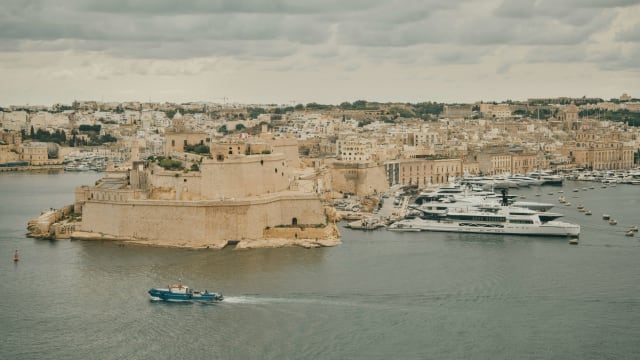
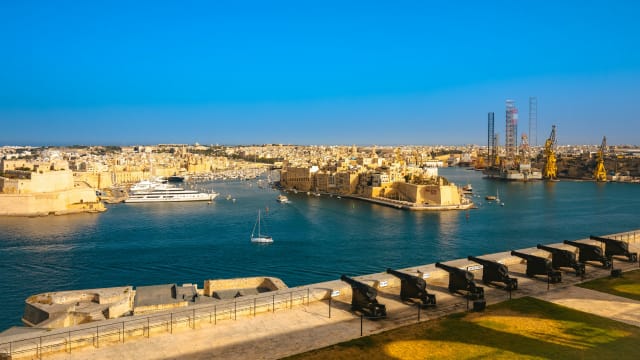
Just before noon the crowd gathers along the railings of the Upper Barrakka Gardens. Below, the Grand Harbour fills with ferries and water taxis, and across the water lie the forts of the Three Cities. Then the cannons of the Saluting Battery fire, and everyone jumps, even the people who knew it was coming.
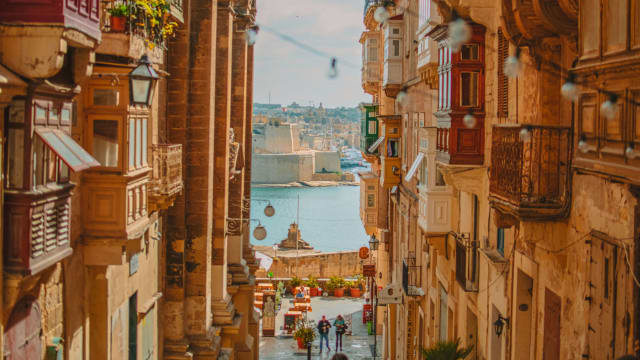
Valletta was laid out by the Knights of St John after they had survived the Great Siege of 1565, and it is named after their Grand Master, Jean de Valette. The whole city sits on a narrow peninsula, inside its own walls, and is a UNESCO World Heritage Site. For the rest of the islands, see our Malta travel guide.
What to see in Valletta
St John's Co-Cathedral
Plain from the outside, all gold and marble inside. The oratory holds Caravaggio's The Beheading of Saint John the Baptist, the only painting he ever signed.
The Upper and Lower Barrakka Gardens
Two small gardens on the bastions with the best views of the harbour. A lift runs from the Upper Barrakka down to the waterfront.
Republic Street and Strait Street
Republic Street is the main shopping street from the City Gate. Strait Street, once the sailors' quarter, is now lined with small bars and restaurants.
Fort St Elmo
The star-shaped fort at the tip of the peninsula, home to the National War Museum.

A weekend in Valletta
Day 1: St John's Co-Cathedral early, the noon gun at the Upper Barrakka, and an afternoon walk along the lanes down towards Fort St Elmo. Dinner on Strait Street.
Day 2: the ferry or a water taxi across to the Three Cities, and back for a drink on the bastions at sunset.
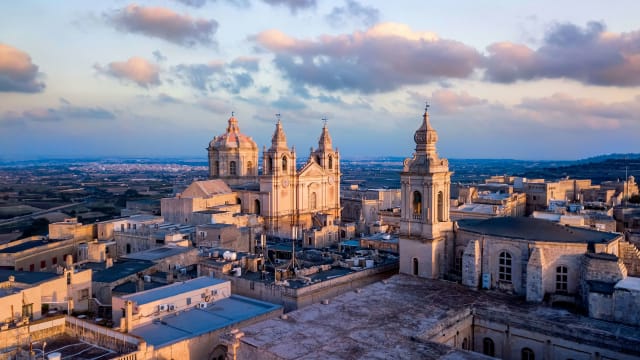
Day 3: a bus to Mdina, or the Sunday fish market in Marsaxlokk.
Where to stay
Staying inside the walls means you have the city to yourself in the evening, after the cruise passengers and day visitors have gone. Many hotels are in old palazzos with few rooms. Our guide to where to stay in Malta compares Valletta with Sliema, Mdina and Gozo.
Getting there
Malta International Airport is a short taxi or bus ride from Valletta. Buses to the rest of the island leave from the terminus outside the City Gate, and ferries cross to Sliema and to the Three Cities.
Good to know
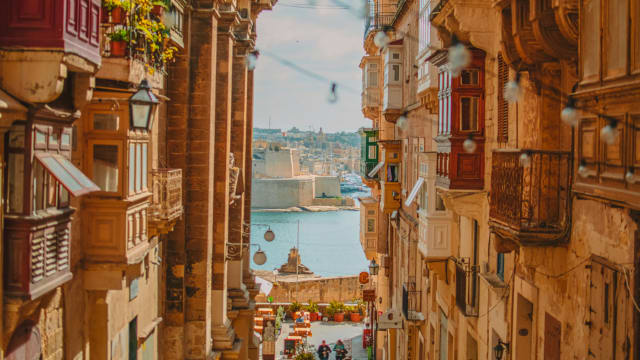
Valletta is built on a slope, and many streets are steps. Comfortable shoes matter more than you think.
When several cruise ships are in port, Republic Street is packed in the middle of the day. Early mornings and evenings are calmer.
Cars are of little use here. Walk, or use the buses and ferries.
For more ideas across the islands, see our list of things to do in Malta.
Frequently asked questions about Valletta
How many days do you need in Valletta?
One full day covers the main sights. Two or three days let you add the Three Cities, Mdina and a slow evening on the bastions.
Is Valletta worth staying in rather than Sliema?
Yes, if you want history and quiet evenings. Sliema has more hotels and a seafront, and is a short ferry ride away.
When is the noon gun fired in Valletta?
The Saluting Battery fires at noon every day, and the Upper Barrakka Gardens above it are free to enter.
Can you swim in Valletta?
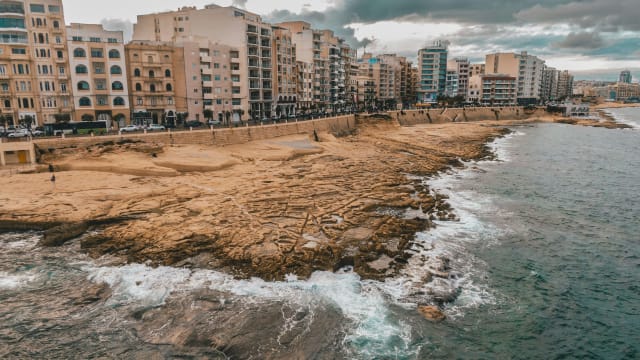
There are rocky swimming spots below the walls, but no sandy beach. For sand, head to the north of Malta or to Gozo.
Is Valletta good for a winter city break?
Yes. Winters are mild, the museums are quieter, and you can sit outside on sunny days.
More travel inspiration in Valletta
Where to stay in Malta: the areas explained, from Valletta to Gozo
Malta is small, but the area you choose decides whether your trip is about history, beaches or nightlife. How to choose between Valletta, Sliema, St Julian's, Mellieħa, Mdina and Gozo.
Things to do in Malta: 15 experiences from Valletta to Comino
A cannon fired at noon, a Caravaggio in a knights' church and a rock pool where locals leap into the sea. These are the experiences we would put first in Malta.