
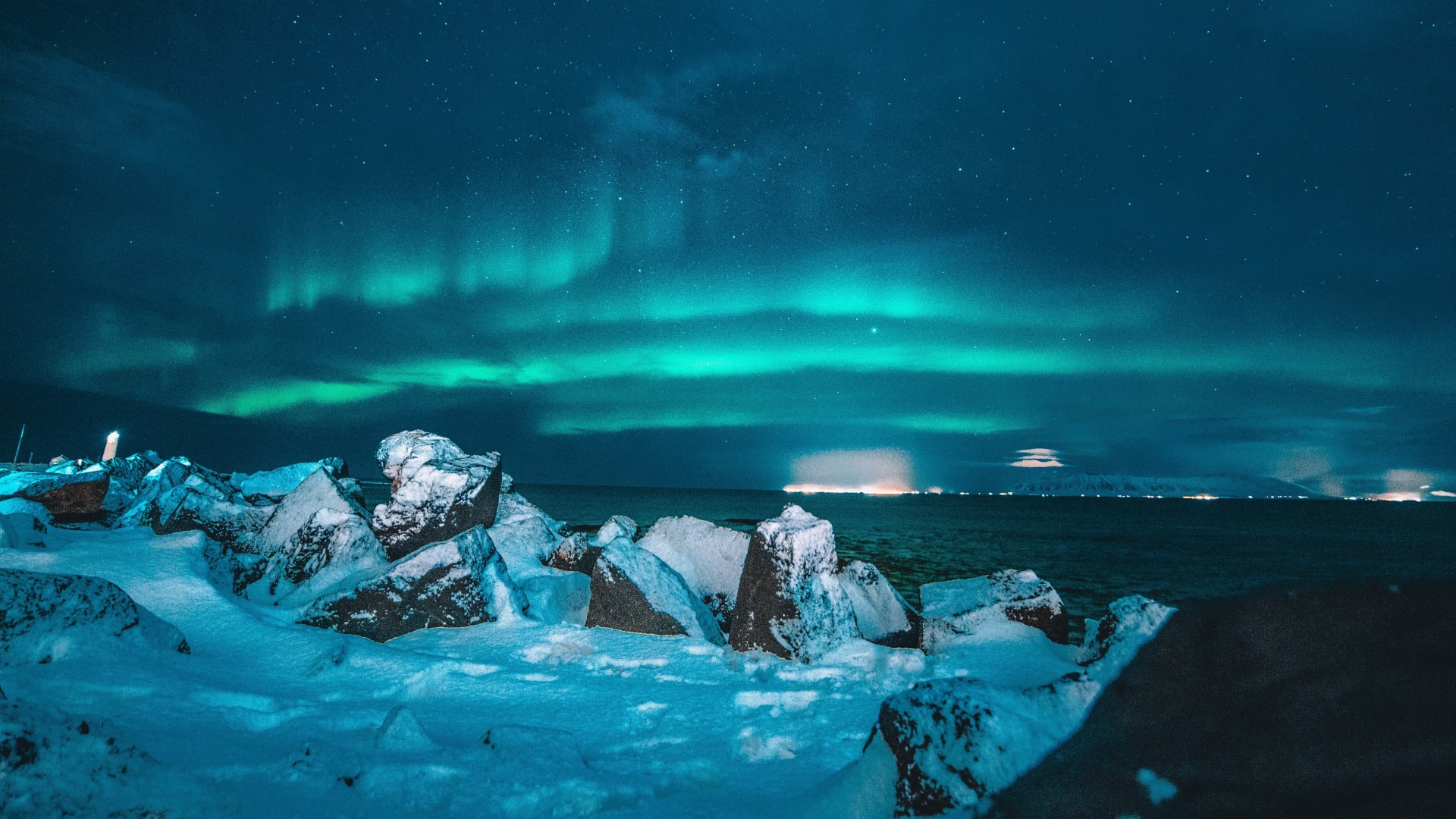
Travel guide · Europe
Iceland holidays: geysers, lava and the northern lights
Waterfalls along the Ring Road, hot springs in the lava and the aurora over black beaches. Iceland is closer than you think, and stranger than you expect.
September-April
Northern lights in the dark season
Summer
Light nights and open highland roads
Hire car
Choose four-wheel drive in winter
Five to seven days
For the south coast and Jökulsárlón
Why go to Iceland?
Iceland is one of the few places where you can watch a geyser erupt, walk behind a waterfall, stand on a glacier and bathe in water heated by the earth, all in the same long weekend. The landscape is young and restless: moss-covered lava fields, steam rising from the hillsides and black beaches pounded by the Atlantic.
There are direct flights from the UK to Keflavík, so Iceland works as well for a short break as for a longer road trip. Most people start in Reykjavík and drive from there.
If you are heading to Iceland on your own, Reykjavik features in our guide to the best places to travel solo, with tips on pools and coach trips.
Best places to visit in Iceland
In short: for a short break, stay in Reykjavík and drive the Golden Circle. With five to seven days, add the south coast to the glacier lagoon at Jökulsárlón. With ten days or more in summer, go north to Mývatn and Húsavík, or west to Snæfellsnes and the Westfjords.
1. Reykjavík: pools, harbour and design
A small capital with geothermal swimming pools in every neighbourhood, good restaurants and the Hallgrímskirkja church above the town. Read our Reykjavík guide and the best hotels in Reykjavík.
2. The Golden Circle: Þingvellir, Geysir and Gullfoss
The rift valley between two tectonic plates at Þingvellir, a UNESCO site, the Strokkur geyser that erupts every few minutes, and the Gullfoss waterfall. Start early to stay ahead of the tour buses. Read about the Golden Circle and the Blue Lagoon.
3. The south coast: waterfalls and black sand
Seljalandsfoss, which you can walk behind, Skógafoss and the black beach at Reynisfjara near Vík. Stay well back from the water at Reynisfjara, where sudden large waves have swept people out to sea.
4. Jökulsárlón: the glacier lagoon
Icebergs drift from the glacier into a lagoon and out to sea, washing up on the black sand of Diamond Beach. It is a long day from Reykjavík, so stay a night in the area.
5. Snæfellsnes: Iceland in miniature
A peninsula with a glacier-capped volcano, lava fields, fishing villages and the much-photographed Kirkjufell mountain, within a few hours of Reykjavík.
6. Mývatn and Akureyri: the north
Volcanic craters, lava formations and a geothermal bath at Lake Mývatn, with Akureyri as the main town of the north.
7. Húsavík: whale watching
A harbour town on the north coast and one of the best places in Iceland to go whale watching, mainly in summer.
8. The Westfjords: the remote corner
Deep fjords, steep mountains and the Dynjandi waterfall, with few people and long gravel roads. Best from June to September.
9. Reykjanes and the Blue Lagoon: lava and hot water
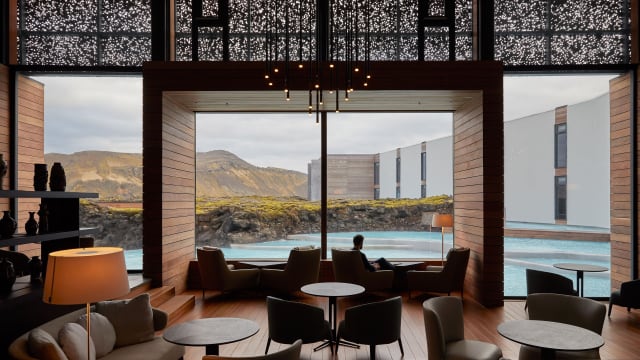
Close to the airport, with lava fields and the famous lagoon. Volcanic activity on the peninsula has caused closures in recent years, so check the current status before you go. Read about The Retreat at Blue Lagoon.
10. Landmannalaugar: colours in the highlands
Rhyolite mountains in red, yellow and green, natural hot springs and the start of the Laugavegur trail. The highland roads are usually open only from late June to September and need a four-wheel drive.
Planning a road trip? Read our guide to car hire in Iceland.
Things to do in Iceland
The Golden Circle: Þingvellir, Geysir and Gullfoss in a day. Read our guide to the Golden Circle and the Blue Lagoon.
The south coast: the Seljalandsfoss and Skógafoss waterfalls, the black beach at Reynisfjara and the Jökulsárlón glacier lagoon.
Northern lights: in the dark season, roughly September to April. See the best places to see the northern lights.
Hot springs: from the Blue Lagoon to small natural pools by the roadside.
Iceland is best explored by car. Read our guide to car hire in Iceland before you book.

Where to stay in Iceland
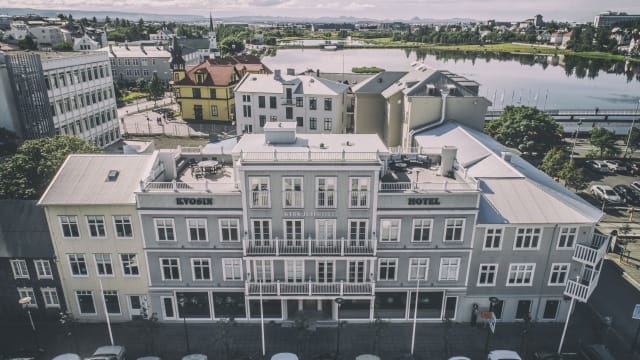
Reykjavík is the natural base, but it is outside the city that the hotels become part of the experience.
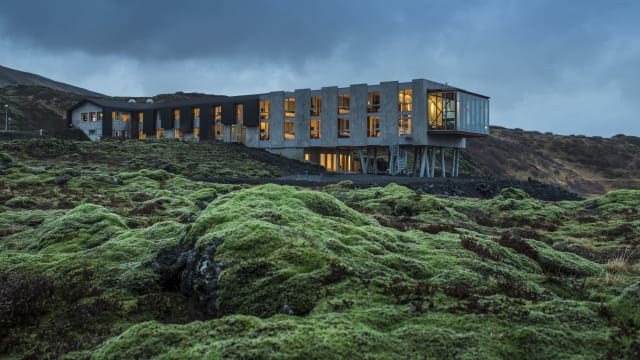
Aurora and wilderness: ION Adventure Hotel at Nesjavellir, with a glass bar facing the sky. Check availability and prices at ION Adventure Hotel.
A lagoon of your own: The Retreat at Blue Lagoon, built into the lava. Check availability and prices at The Retreat at Blue Lagoon.
By the glacier: Fosshotel Glacier Lagoon, near Jökulsárlón. Check availability and prices at Fosshotel Glacier Lagoon.
Hot springs in the west: Hotel Husafell, with several outdoor pools. Check availability and prices at Hotel Husafell.

When is the best time to visit Iceland?
Summer brings light nights, green landscapes and open highland roads. Autumn and winter bring darkness and a chance of the northern lights, but shorter days and winter driving. Spring and early autumn are a good compromise. Whatever the season, check the weather and road conditions before you drive, as the weather changes quickly. Explore more of Europe.
The capital
Reykjavik: Hot pools, the harbour and Golden Circle day trips.
Where to stay in Iceland





Our pick
ION Adventure Hotel: a hotel on stilts in a lava landscape
A hotel on stilts in a lava landscape, a glass-walled bar facing the northern lights and a hot pool steaming from the earth. ION Adventure Hotel is Iceland at its wildest.


Frequently asked questions about holidays in Iceland
When is the best time to visit Iceland?
Summer is best for light nights, hiking and road trips, while September to April is northern lights season. Spring and early autumn are a good compromise with fewer crowds.
Do I need a hire car in Iceland?
Yes, if you want to see more than Reykjavík and the Golden Circle. A car gives you the freedom to drive the south coast and stop where you like. In winter, choose four-wheel drive.
Where should I stay in Iceland?
Stay in Reykjavík for the first nights, then add a few nights somewhere like ION Adventure Hotel, The Retreat at Blue Lagoon or Fosshotel Glacier Lagoon, where the hotel is part of the experience.
Can you see the northern lights in Iceland?
Yes, from roughly September to April, when it is dark and the sky is clear. Stay outside the city to avoid light pollution.
How many days do you need in Iceland?
A long weekend is enough for Reykjavík and the Golden Circle. To see the south coast and Jökulsárlón, allow at least five to seven days.
What is the most beautiful place in Iceland?
Many would name Jökulsárlón or the south coast waterfalls. For fewer people, the Westfjords and Snæfellsnes are good alternatives.