
Wine with Christmas food
Pinnekjøtt, and what to drink with it
Pinnekjøtt has been salted, hung to dry and often smoked before it spends hours steaming over birch sticks. The result flattens most wines. The answer surprises many people: bubbles.
13 November 20265 min read

Picolo Editorial
In short: wine with pinnekjøtt
Vinmonopolet, Norway's state wine retailer, puts traditional-method sparkling wine first for pinnekjøtt, ideally a mature champagne with notes of bread, nuts and spice. Second comes a full-bodied white, such as oaked chardonnay or aged riesling. Red works too, but it must be rich and juicy. To taste champagne where it is made, L'Assiette Champenoise outside Reims is our first choice.
Last checked: November 2026.
What is pinnekjøtt?
Pinnekjøtt means "stick meat". It is lamb or mutton ribs that are salted, dried and sometimes smoked, then soaked and steamed for hours on a rack of birch sticks. It is the Christmas Eve dinner in much of western Norway, and comes with mashed swede, potatoes and the fat from the pan.
Why do bubbles work?
The meat is salty, fatty and often smoky. A wine needs plenty of flavour not to disappear, and enough freshness to cut the salt. Champagne has both. The bubbles and acidity clean the palate. A champagne that has spent years on its lees, the yeast left after the second fermentation, picks up notes of bread dough and biscuit. Those meet the smoke in the meat. Vinmonopolet recommends the mature styles: vintage champagne and blends built on reserve wines.
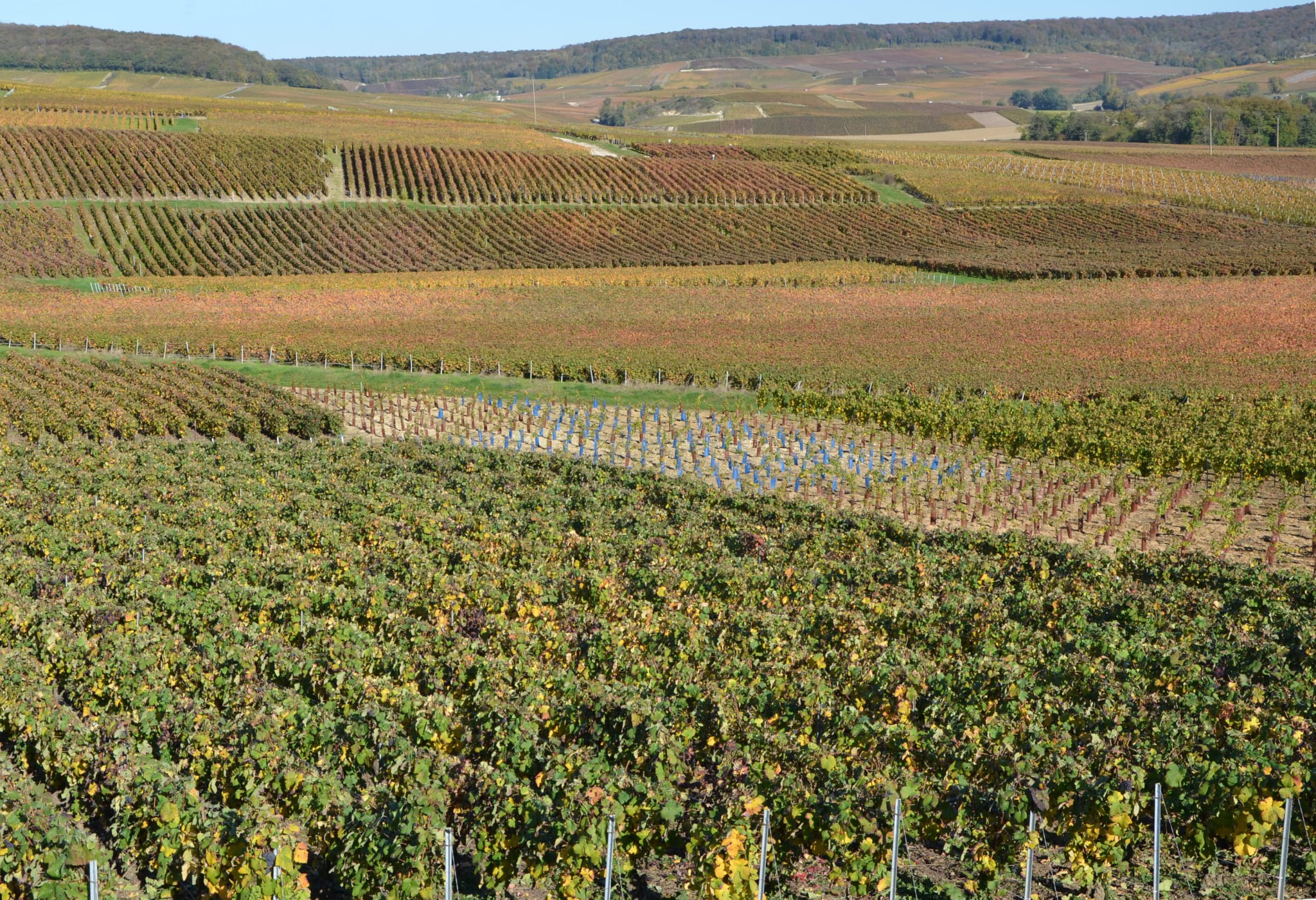
Champagne comes only from Champagne, the region east of Paris around Reims and Épernay. For the same style at a lower price, crémant from France and long-aged cava are made the same way. See our guides to Taittinger in Reims and Moët & Chandon in Épernay.

White and red wine with pinnekjøtt
The white needs body: oaked chardonnay from Burgundy or California, riesling with ten to fifteen years in bottle, a rich Alsace pinot gris or a white Rhône. Orange wine, white wine left on its skins like a red, from Georgia or Friuli also works.
Red can go two ways. One is young and juicy, with dark berries, pepper and smoke, such as syrah from the Rhône or South Africa. The other is mature, with dried fruit and forest floor, such as Rioja Reserva or a Bordeaux with a few years behind it. Light, sharp reds disappear behind the salt.
For Norway's other Christmas dinner, see ribbe, and what to drink with it.
Beer and aquavit
Dark Norwegian Christmas beer is the traditional choice. Brown, cask-aged aquavit, Norway's caraway spirit, or a lightly smoky whisky follows the smoke in the meat.
Taste the champagne where it is made
Reims is the capital of Champagne, about 45 minutes by train from Paris Est. Beneath the city run the chalk cellars of the houses, many first dug by the Romans. Stay in Reims and you can walk to several houses in a day. Our guide to Reims hotels covers where to stay.
Picolo picks the hotel for you
Picolo is the hotel guest's best friend. We take on the role of guide and do the work before you book: we look at the hotels in the area, where they stand, what guests say and what is actually there. Then we choose the one hotel that suits this particular trip best. For a trip where champagne meets the table, the choice fell on L'Assiette Champenoise, whose kitchen has held three Michelin stars since 2014.
Our first choice in Champagne
L'Assiette Champenoise
L'Assiette Champenoise stands in a park in Tinqueux, a few minutes from central Reims, and is one of the few hotels in Champagne with a three-Michelin-star restaurant. Chef Arnaud Lallement runs the house his parents opened in 1975, and the wine list carries champagnes from small growers you rarely see elsewhere. After a day in the cellars, the indoor pool is waiting. Here dinner becomes the reason for the trip.


Frequently asked questions about wine with pinnekjøtt
What wine goes with pinnekjøtt?
Mature champagne or another traditional-method sparkling wine goes best, according to Vinmonopolet. The bubbles and acidity cut the salt, and the bread and nut flavours meet the smoke in the meat. A full-bodied white, such as oaked chardonnay or aged riesling, comes second, and any red should be rich and juicy.
Where can you eat pinnekjøtt in Norway?
Pinnekjøtt is mainly a Christmas dish, served in homes on Christmas Eve and in restaurants and hotels through November and December. It is most common in western Norway, around Bergen and Stavanger, but many Oslo restaurants put it on their festive menus. Outside the season it is hard to find.
Why does champagne work with salty food?
Champagne has high acidity and bubbles, and both clean the palate after salt and fat. Salt also makes the wine seem rounder and less sharp. That is why champagne is a classic with oysters and cured ham, and the same logic applies to pinnekjøtt.
Where are the champagne houses you can visit?
Most are in Reims and Épernay, about 150 kilometres east of Paris. Reims has Taittinger, Veuve Clicquot and Ruinart, among others, and Épernay has Moët & Chandon on the Avenue de Champagne. Nearly all require booking, so reserve the tour before you book the hotel.
Sources
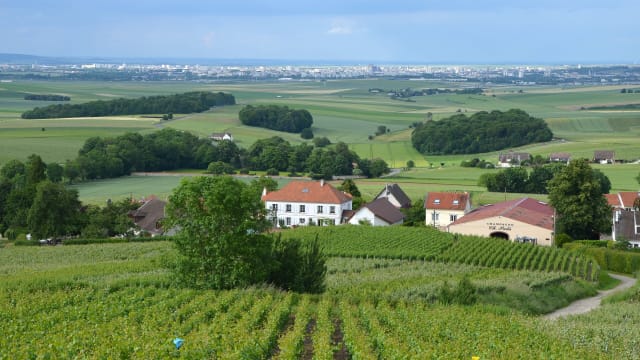
The pairing advice draws on Vinmonopolet's guide to drinks with pinnekjøtt. Details on L'Assiette Champenoise come from the hotel's press kit and the Michelin Guide. The photograph of the vineyards at Fleury-la-Rivière is by Pline and the one from the Lanson cellars by ADT Marne, both via Wikimedia Commons. Hotel photographs are from Hotels.com (Expedia Group). Last checked November 2026.



Santé from Champagne
Picolo Editorial