
Reims
Where to stay in Reims: hotels near the cathedral and the champagne cellars
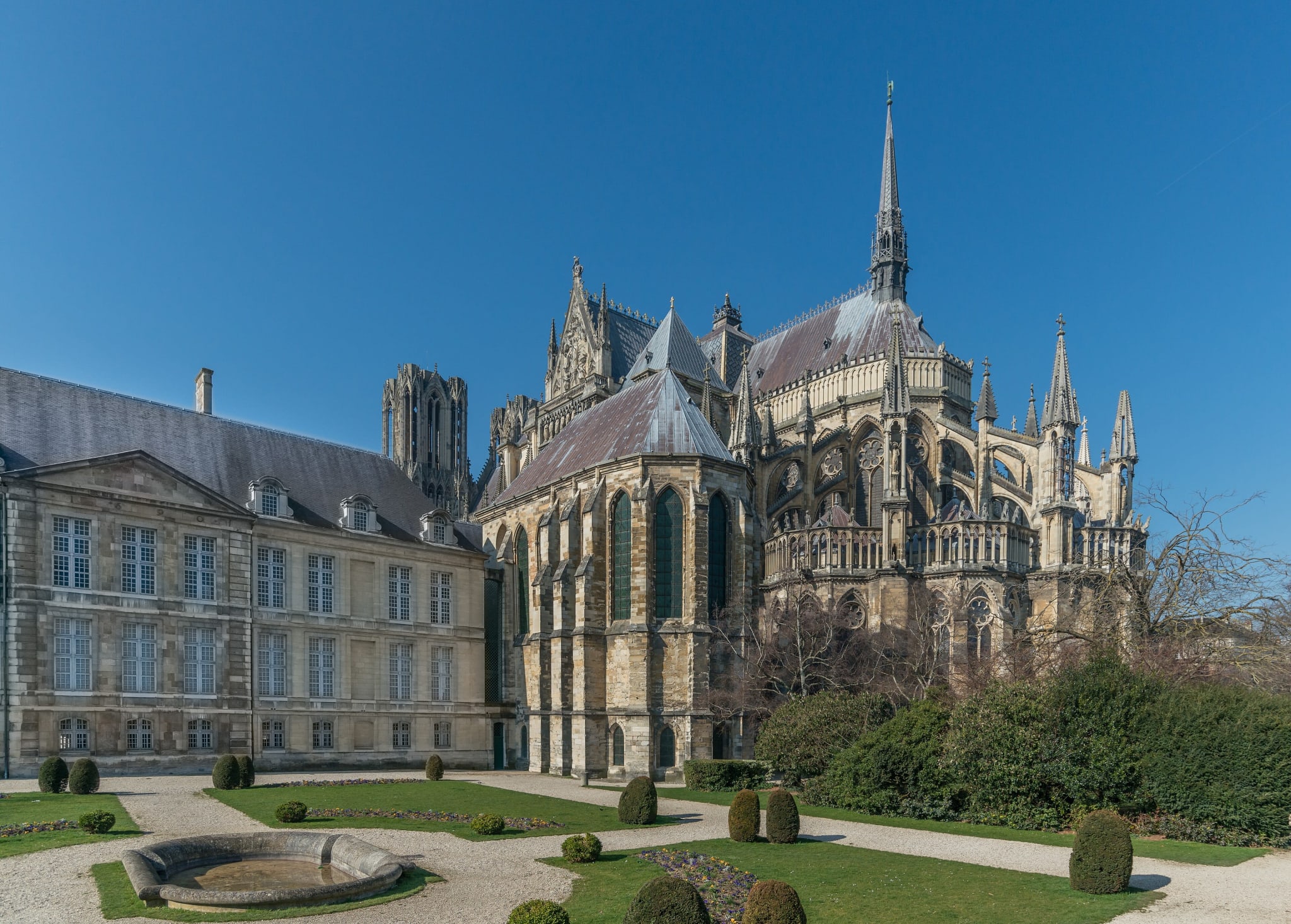
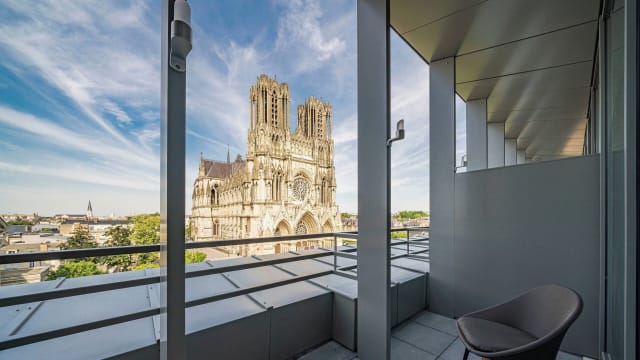
In the evening the cathedral façade in Reims turns from grey to the colour of honey. Below the streets lie the champagne houses, and the train from Paris takes about 45 minutes. These are the hotels we pick.
12 November 20267 min read

Picolo Editorial
In short: Reims hotels
Stay in the centre to walk to the cathedral and restaurants, or in the Saint-Nicaise quarter if the champagne houses are the point. The TGV from Paris Est takes about 45 minutes. L'Assiette Champenoise is our first choice, with a three-Michelin-star restaurant and an indoor pool.
Last checked: November 2026.
Top picks
For couples: Domaine Les Crayères
First visit: La Caserne Chanzy
For food: L'Assiette Champenoise
Among the vines: Château de Sacy
Value: Hotel Continental
Which part of Reims should you stay in?
Reims has around 180,000 people, and the centre is small enough to walk. Notre-Dame Cathedral, where the kings of France were crowned for centuries, is a UNESCO World Heritage Site together with the Palais du Tau and the Basilica of Saint-Remi.
The champagne houses sit in two clusters. Taittinger, Pommery and Ruinart keep their cellars in the Saint-Nicaise quarter in the south-east, in Roman-era chalk quarries known as crayères. Mumm and Veuve Clicquot are closer to the centre. The walk from the cathedral to Saint-Nicaise takes around 25 minutes.
Most houses only take visitors who have booked, so book your cellar visits before your room. That tells you which side of town to wake up in.

The centre and the cathedral
La Caserne Chanzy
The hotel faces the cathedral, and from some rooms you can see the façade from bed. Downstairs is the spa with an indoor pool, and there are two restaurants, among them La Grande Georgette for classic French cooking.
Best for a first visit when you want everything on foot. Worth knowing: cathedral-view rooms are fewer than the rest, so ask when you book.
Hotel Continental
Hotel Continental is a Belle Époque hotel on Place Drouet-d'Erlon, the pedestrian square lined with restaurants near the station. The cathedral is a fifteen-minute walk. There is a restaurant, a bar and a terrace, and massages can be booked.
Best for staying central and spending more of the budget on tastings. Worth knowing: the station is close by if you are moving on to Épernay.

Saint-Nicaise and the champagne houses
Domaine Les Crayères
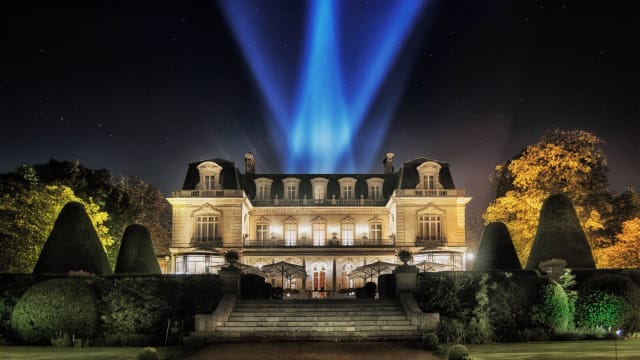
A château in its own park, a few minutes' walk from the Taittinger and Pommery cellars. It has around 20 rooms and suites with antiques and garden views. Dinner is at Le Parc, the gastronomic restaurant, or at the more relaxed Le Jardin brasserie.
Best for couples who want the champagne houses as neighbours. Worth knowing: the spa offers massages, and the terrace looks over the park.

Beyond the centre
L'Assiette Champenoise
In Tinqueux, on the western edge of Reims, in a half-timbered house with a garden. Arnaud Lallement's kitchen holds three Michelin stars, and the list runs to more than 1,000 champagnes. There is an indoor pool and a bar.
Best for travellers who come for dinner. Worth knowing: you will need a taxi or the tram into town.
Château de Sacy
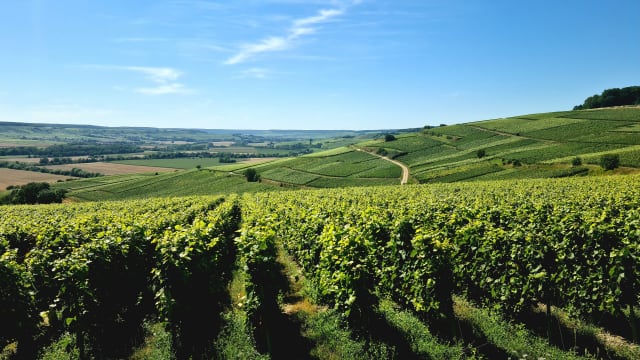
In the village of Sacy, among the vines of the Montagne de Reims south-west of the city. Several rooms look straight over the vineyards. There is a spa, a bar and Les Vignes, a restaurant serving lunch and dinner.
Best for waking up in the country and driving into town. Worth knowing: without a car you will rely on taxis.
Before you book
Book the houses first: most champagne houses require a reservation. Choose your hotel by where your visits are.
Come by train: the TGV from Paris Est takes about 45 minutes. From London, Gare de l'Est is a short walk from the Eurostar at Gare du Nord. See our Eurostar to Champagne guide.
Add Épernay: the train between Reims and Épernay takes about 35 minutes. A night in each covers both champagne towns. See where to stay in Épernay.
Pack a jumper: the cellars stay at around 10-12°C all year.
Our first choice in Reims
L'Assiette Champenoise
Some hotels you choose for the city. L'Assiette Champenoise you choose for dinner. Arnaud Lallement has taken the kitchen to three Michelin stars, and with more than 1,000 champagnes on the list, the sommelier has plenty to show you. Afterwards you walk upstairs instead of hunting for a taxi, and the pool is waiting in the morning.


Frequently asked questions about Reims hotels
Where is the best place to stay in Reims?
Stay near the cathedral if it is your first visit, so restaurants, museums and several champagne houses are on foot. For Taittinger, Pommery or Ruinart, the Saint-Nicaise quarter in the south-east is closest. For quiet and vineyard views, villages such as Sacy on the Montagne de Reims work well, though you will need a car.
How long is the train from London to Reims?
Allow around four hours. The Eurostar takes you from St Pancras to Paris Gare du Nord. From there you walk about ten minutes to Gare de l'Est for the TGV to Reims, which takes around 45 minutes. There is no direct train, but the change needs no metro.
Is Reims or Épernay better for a champagne trip?
Reims has more of the big houses, the cathedral and more going on in the evening. Épernay is smaller and quieter, with its houses lined up along a single street, the Avenue de Champagne. The train between them takes about 35 minutes, so many visitors spend a night in each.
How many days do you need in Reims?
Two nights cover the cathedral, the Palais du Tau and two champagne houses at an easy pace. With three nights you can add a day in Épernay or on the wine roads of the Montagne de Reims. Keep to two cellar visits a day and you will taste far more clearly.
Do you need a car in Reims?
Not if you stay in the centre or near Saint-Nicaise. Reims has a tram, and the houses are a walk or a short taxi ride away. You only need a car or a guided tour for the wine villages. Whoever drives does not taste, and trains, taxis and drivers make the day easier.
Sources
Cathedral and World Heritage facts come from UNESCO, and train times from SNCF. Hotel details come from Hotels.com and the hotels' own websites, and Taittinger describes the Saint-Nicaise cellars. Check each house for its current visiting terms.
Santé from Reims
Picolo Editorial