
Nature
Lake Femunden and Femundsmarka: boat, canoe and fishing in the wilderness
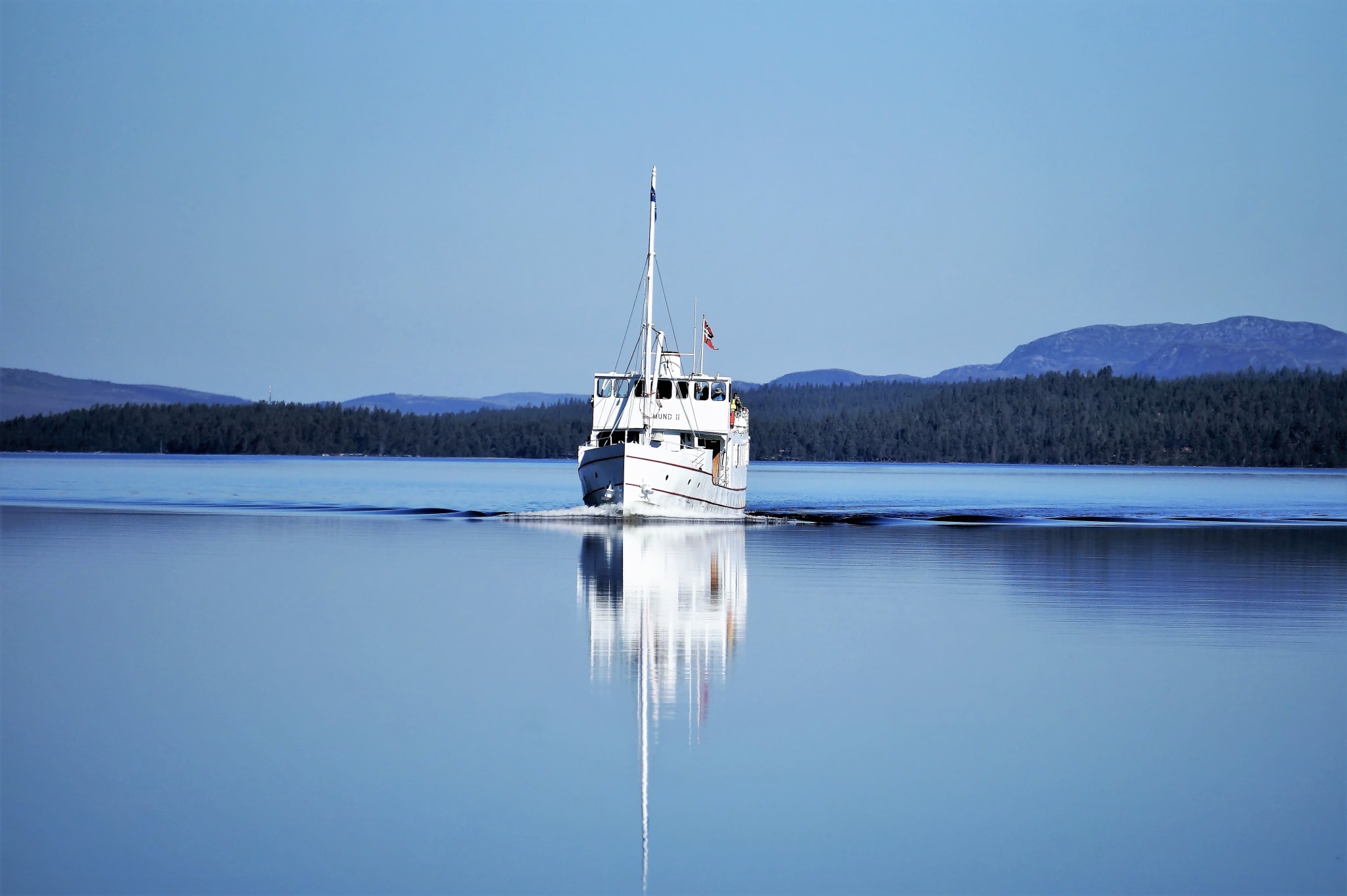
The Fæmund II leaves the quay at Synnervika at nine, and the lake lies still ahead of the bow. From here the way leads into Femundsmarka, one of the best-known wilderness areas in southern Norway.
This page contains affiliate links. If you book through them, Picolo earns a commission at no extra cost to you. Our picks are made independently by our editors.
Lake Femunden is around 60 kilometres long and covers 203 square kilometres, and it is counted as Norway’s second-largest lake. On its eastern side, towards the Swedish border, lies Femundsmarka National Park, created in 1971 and covering 573 square kilometres.
The landscape is old pine forest, boulder fields and countless lakes. The area has been reindeer pasture for the Southern Sámi since the 17th century, and reindeer herding is still active here.
In short
Femundsmarka is easiest to reach on MS Fæmund II, which sails daily in summer between Synnervika in the north and Elgå in the south. There are few places to stay along the lake, so many visitors base themselves in Røros and take the bus or drive to Synnervika. Our hotel pick is Røros Hotell, with walking country close by and a pool to come back to.
Book your stay: Check availability and prices at Røros Hotell · the hotel’s own website
Into the national park on MS Fæmund II
The boat has sailed on Femunden since 1905 and is now a protected heritage vessel. In summer it leaves Synnervika daily at nine, with several stops on the way south to Elgå, where you can go ashore and start your trip.
On board there is a café serving waffles, and you can bring a bike. Bus route 540 from Røros runs to Synnervika and connects with the boat. Timetables and tickets for 2027 are published on femund.no.
Canoeing, fishing and camping

Fishing in the wilderness
You need a fishing licence in the national park. Photo: Trøndelag Reiseliv/R.R. Frontal
Femundsmarka has countless lakes and rivers, and a continuous waterway runs from the Swedish side to Femunden. That makes the area popular for canoeing and packrafting.
The lakes and rivers have good conditions for fish, and you need a fishing licence to fish in the national park. There are many open shelters, and plenty of chances to camp far from other people.
History in the forest

A night under the pines
A hammock and a fire are enough for a night in the forest. Photo: Trøndelag Reiseliv/Ren Røros Frontal/Marius Rua
Once the Røros plateau had been stripped of trees, Femundsmarka became the main source of timber for the Røros mines. Around 1750 the waterways were linked together, and you can still walk along the old log flumes between Femunden and Feragen.
July and August are the most popular months. The boat runs a summer timetable from mid-June and an autumn timetable at weekends until early September. In winter you can ski across the frozen lake, and in February Femundløpet passes through the checkpoint at Elgå.
Where to stay: Røros as your base
The bus from Røros runs to Synnervika, and by car it is a short drive down to the lake. All the hotels below are in or right by the town centre.

The mountains close by
Røros Hotell sits just above the centre, with walking country right outside. Photo: Hotels.com (Expedia Group)
Røros Hotell
Røros’ biggest hotel sits just above the centre, with the mountains and walking country close by. After a day in a canoe or out fishing, there is an indoor pool to come back to.
It suits families and anyone who wants nature close at hand.
Book your stay: Check availability and prices at Røros Hotell · the hotel’s own website
Erzscheidergården
The small hotel by Røros church dates from the 17th century and has 24 rooms, each with its own character. It offers packages with a packed lunch for the day, and breakfast with bread from the town’s oldest bakery is a good start before the boat leaves.
Book your stay: Check availability and prices at Erzscheidergården · the hotel’s own website

Dinner after the trip
The restaurant at Vertshuset cooks with produce from the Røros area. Photo: Hotels.com (Expedia Group)
Vertshuset Røros
Vertshuset is on Kjerkgata in the town centre, with a restaurant that cooks with produce from the Røros area.
It suits travellers who want a good dinner after a long day by Lake Femunden.
Book your stay: Check availability and prices at Vertshuset Røros · the hotel’s own website
Getting there
Synnervika can be reached by bus from Røros or by car, and parking by the quay is free. Elgå in the south can be reached by bus from Elverum.
Frequently asked questions
How big is Lake Femunden?
Lake Femunden is around 60 kilometres long and covers 203 square kilometres, and it is counted as Norway’s second-largest lake. It lies between Røros and Engerdal, with Femundsmarka National Park on its eastern side towards the Swedish border. In summer, MS Fæmund II sails on the lake.
How do you get to Femundsmarka?
The two usual gateways are Synnervika in the north and Elgå in the south. MS Fæmund II sails from both in summer, with several stops where you can go ashore in the national park. Synnervika can be reached by bus from Røros, and parking by the quay is free.
Do you need a fishing licence in Femundsmarka?
Yes, you need a fishing licence to fish in Femundsmarka National Park, and it is easy to buy online before your trip. The lakes and rivers in the park have good natural conditions for fish, and the area is popular with anglers.
When is the best time to visit Femundsmarka?
July and August are the most popular months, when MS Fæmund II sails daily. Autumn is quieter, with weekend sailings until early September. In winter you can ski across the lake, and in February Femundløpet passes through the checkpoint at Elgå.