
Beaches
The best beaches in Croatia, from Brač to Dubrovnik
Croatia has glass-clear water, pebbles and coves you can only reach by boat. These are the beaches worth the journey, from Zlatni Rat on Brač to Banje below Dubrovnik's walls, and the hotels we would book.
This page contains affiliate links. If you book through them, Picolo earns a commission at no extra cost to you. Our picks are made independently by our editors.
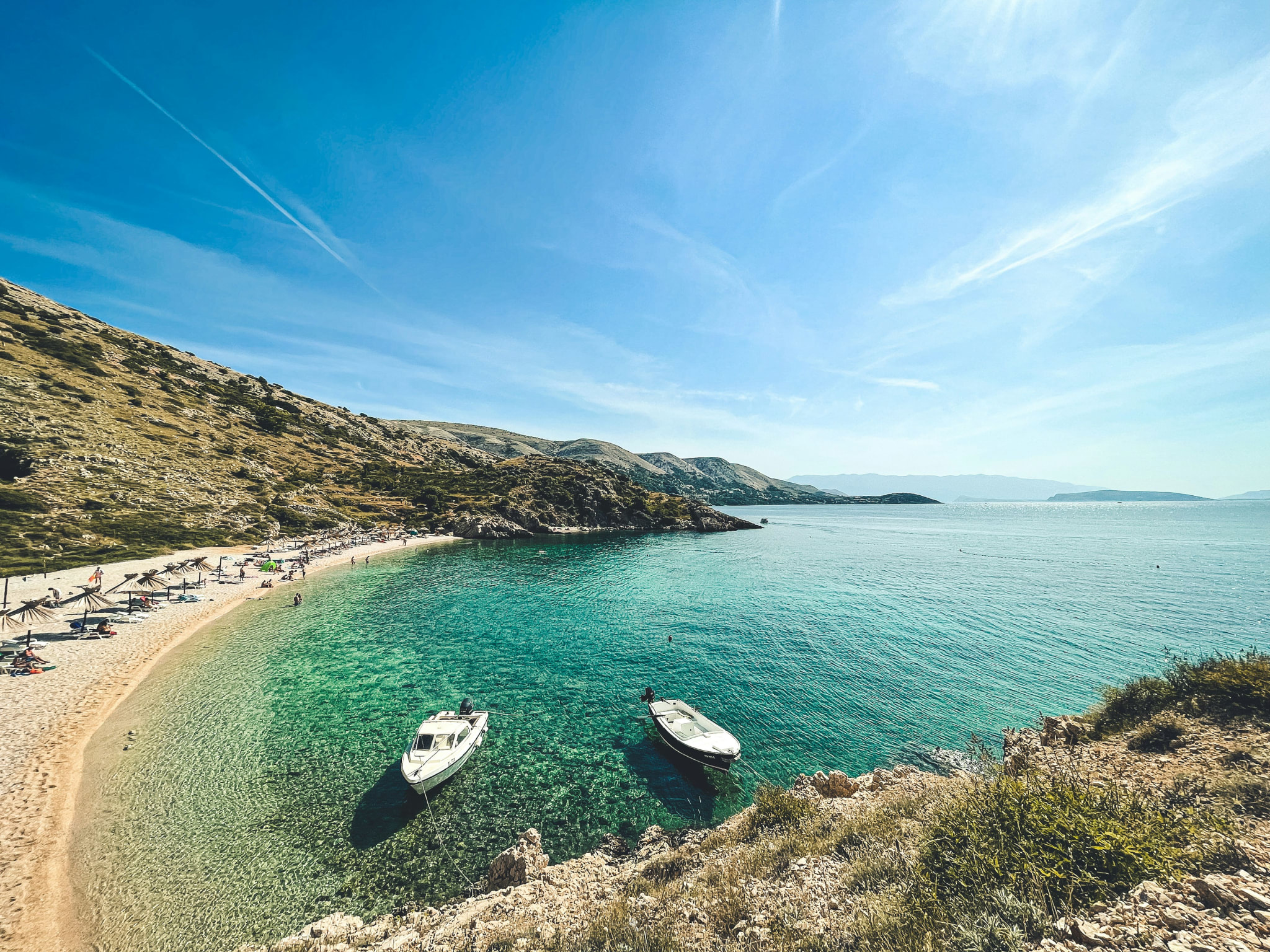
The boat from Komiža slows beside a wall of rock on Vis, and only when you are almost inside do you see the gap. Beyond it lies Stiniva, a pebble cove ringed by cliffs on every side, its opening to the sea just a few metres wide. It is the kind of beach that stays with you.
Croatia has more than a thousand islands, and most of its beaches are pebble rather than sand. In return, the water is among the clearest in the Mediterranean. We have divided the coast into four areas, with the beaches worth your time, how to reach them and the hotels we would choose.
Short answer: which beaches in Croatia are best?
Zlatni Rat on Brač is Croatia's most famous beach and Stiniva on Vis its most beautiful cove. If you want sand, Sakarun on Dugi Otok is the best choice. In the cities, Banje in Dubrovnik and Bačvice in Split are good for a swim between sightseeing.
Most famous: Zlatni Rat, Brač
Most beautiful cove: Stiniva, Vis
Best for sand: Sakarun, Dugi Otok
Best city beach: Banje, Dubrovnik
Best for pine shade: Punta Rata, Brela

Cornaro Hotel
The rooftop pool at Cornaro Hotel above Split.
Split and the islands: Brač, Hvar and Vis
Zlatni Rat near Bol on Brač is a long spit of fine pebbles that pokes into the sea and shifts shape with the wind and current. The afternoon breeze makes it one of Croatia's best windsurfing spots. The ferry from Split to Supetar takes under an hour, then it is a half-hour drive to Bol.
On Vis lies Stiniva, reached by boat or a steep path from the road. In summer boats crowd the cove by midday, so arrive early. On Hvar, Dubovica is a small pebble bay with a simple taverna and a calmer alternative to the busy beaches near Hvar Town. Read our Split guide.
Cornaro Hotel: a base for the island boats
Cornaro is in Split's old town, a short walk from the harbour where ferries and catamarans leave for Brač, Hvar and Vis. From the rooftop pool you look across the terracotta roofs towards the islands you will visit the next day. It suits travellers who want a city base with day trips, not a beach outside the door.
Book your stay: Check availability and prices at Cornaro Hotel
The Makarska Riviera: pines down to the water
South of Split the Biokovo mountains drop steeply to the sea, and along their foot runs a string of beaches with pine trees right to the waterline. Punta Rata at Brela is the best known, with a rock standing in the shallows and shade beneath the trees. Nugal near Makarska is reached on foot along a forest path.
The catch: the riviera is popular with road-trippers, and in July and August the beaches and coast road are packed. Arrive early or travel in June and September.

Hotel Bellevue Dubrovnik
Hotel Bellevue Dubrovnik above the bay at night.
Dubrovnik: a swim below the walls
Banje is the city beach just outside the Ploče Gate, looking straight back at the old town and harbour. It is pebbly and busy in summer, but few city beaches in Europe have a better view. From the old harbour, boats run to the island of Lokrum, where you swim from the rocks in the shade of pines and peacocks.
South lies Cavtat, and to the north the Elaphiti Islands, with the sandy bay of Šunj on Lopud. Both make good day trips when the old town fills with cruise passengers. Read our Dubrovnik guide.
Hotel Bellevue: on the cliff above its own cove
Hotel Bellevue Dubrovnik is built into the cliffs west of the old town, with steps down to a small cove where guests swim. At night the hotel glows above the water, and the old town is a short taxi ride or a half-hour walk away. A good pick for combining sightseeing and swimming without staying inside the crowded walls.
Book your stay: Check availability and prices at Hotel Bellevue Dubrovnik
Northern Dalmatia: real sand on Dugi Otok
If you want sand underfoot, head for Sakarun on Dugi Otok, a long island off Zadar. The beach is shallow, with white sand and turquoise water, and suits children who want to paddle for hours. The ferry from Zadar takes around an hour and a half.
The catch: there is little to do on the island beyond beaches and nature, and boats run less often outside high season. Read our Croatia guide.
When to go
June and September: warm sea and fewer people. The best time for a beach holiday.
July and August: high season with full ferries and beaches. Book ferries and car hire early.
Pack water shoes: most beaches are pebbly and sea urchins live on the rocks.
Wind on Brač: the afternoon breeze at Zlatni Rat is great for windsurfing but makes lying on the beach cooler.
Frequently asked questions about Croatia's beaches
What is the best beach in Croatia?
Zlatni Rat on Brač is the most famous, and Stiniva on Vis is often called the most beautiful. For sand, Sakarun on Dugi Otok is best.
Does Croatia have sandy beaches?
A few. Most beaches are pebble, but Sakarun on Dugi Otok and Šunj on Lopud have sand.
How do you get to Stiniva?
By boat from Komiža or Vis Town, or on foot down a steep path from the road. Arrive early in summer, before the boats fill the cove.
Where should you stay in Croatia for beaches?
Stay on Brač or Hvar for island life, on the Makarska Riviera for long shaded beaches, and in Split or Dubrovnik to mix city and swimming.
Do you need water shoes in Croatia?
It is a good idea. Pebbles and rocks are common, and there are sea urchins in many places.